Skip to content
Recent discussions in European forums regarding Pakistan’s Generalised Scheme of Preferences Plus (GSP+) status, along with political lobbying allegedly linked to Fitna Al Hindustan elements under the banner of human rights advocacy, have raised serious concerns among policy observers.
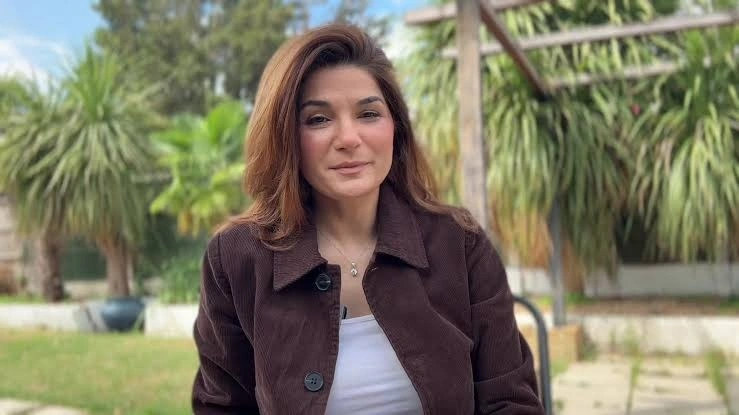
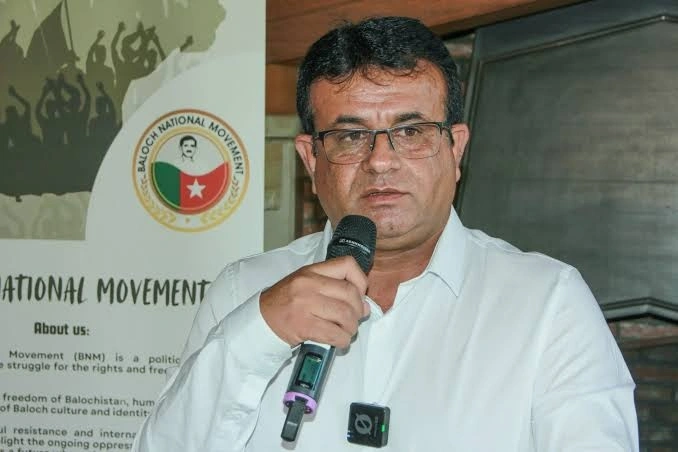
Foreign affairs experts argue that statements attributed to Dr. Naseem Baloch represent a coordinated attempt to misrepresent ground realities and distort Pakistan’s socio-economic situation, with the alleged objective of undermining the country’s economic interests.
Allegations of Organized Narrative and Hidden Objectives
Analysts claim that portraying Pakistan’s trade benefits under GSP+ as merely symbolic is misleading and factually incorrect. They emphasize that the GSP+ framework is directly linked to compliance with 27 international conventions, which are rigorously monitored by experts of the European Union (European Union) every two years.
They stress that the system is neither automatic nor superficial, but instead based on transparency, accountability, and continuous review—contradicting claims that human rights conditions exist only on paper.
GSP+ Monitoring and Security Concerns
According to the report, political advocates associated with Fitna Al Hindustan are allegedly ignoring ongoing violence and terrorism in Balochistan. It is argued that groups promoting human rights narratives selectively overlook attacks on judges, teachers, workers, civilians, and national infrastructure.
Experts maintain that without acknowledging terrorism-related violations of human rights, such narratives lose both academic and moral credibility.
Economic Impact and Worker Protection
Economic analysts warn that any campaign calling for the suspension of GSP+ benefits could amount to what they describe as “economic harm” against Pakistan’s working class.
They note that millions of workers, particularly in the textile and manufacturing sectors, depend on these trade preferences. A withdrawal of these benefits could disproportionately affect low-income workers and women employed in export industries.
Misuse of International Platforms
Observers argue that using international forums to support such narratives is inconsistent with the principles of the United Nations Charter (United Nations).
They claim that the broader objective of this campaign is to politicize trade frameworks and create economic instability in Pakistan, emphasizing that constructive engagement based on verified facts remains the only viable path forward.