Human Rights Day Pakistan 2025 comes at a time when the country is reflecting not only on constitutional freedoms but also on a fast-changing security landscape.
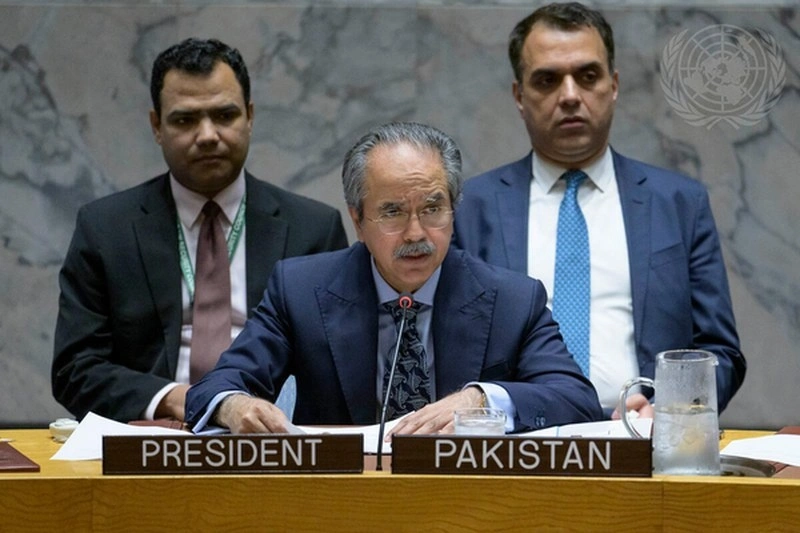
In their messages, President Asif Ali Zardari, Prime Minister Shehbaz Sharif, and Federal Minister for Human Rights Senator Azam Nazeer Tarar all reaffirmed that Pakistan remains committed to dignity, equality, and justice for all citizens.
Their words echo Quaid-e-Azam’s vision of a nation where people of every faith and background can live freely and securely.
But as Pakistan marks this day, it must confront a difficult truth: human rights cannot be discussed in isolation from the national security realities that shape the lives of millions.
Human Rights and security: understanding the context
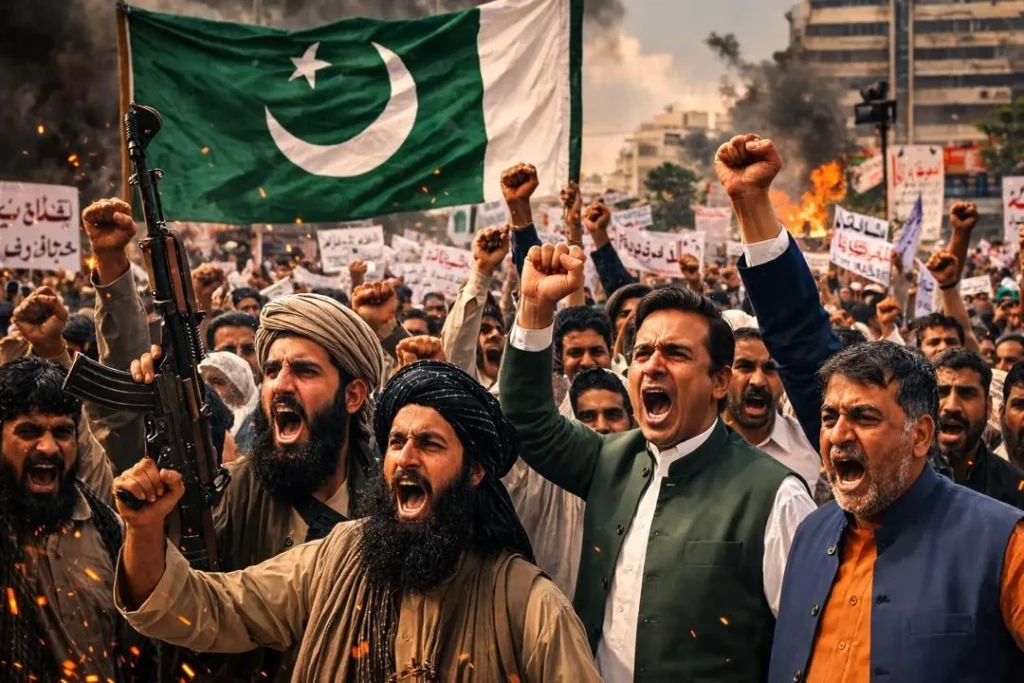
Pakistan’s neighborhood remains turbulent. Spillover from Afghanistan, cross-border militancy, external propaganda campaigns, and hybrid warfare continue to test national stability.
In this environment, not every claim made under the banner of “rights activism” is genuine.
Narratives around Afghan repatriation, PTM mobilization, and certain strands of Baloch activism are often amplified by foreign actors with political agendas.
Rights matter. But context matters too.
Genuine grievances do exist, but these are frequently mixed with calls that openly justify separatist violence or shield armed groups from accountability.
Pakistan is justified in insisting that terrorism, external funding, and organized militancy cannot be whitewashed as human rights work.
At the same time, Pakistan is right to call out the global system’s double standards. The silence on Palestinian suffering and the long disregard for Kashmir’s humanitarian crisis expose how selective the international rights agenda can be.
Genuine concerns need genuine solutions
Yet acknowledging these realities does not mean ignoring Pakistan’s internal gaps. Issues such as enforced disappearances, weak legal remedies, gender-based violence, and the shrinking role of women in media, highlighted by the latest Global Media Monitoring Project, are serious concerns.
They harm citizens, weaken institutions, and give space for hostile narratives to flourish.
Government reforms, social protection efforts, and stronger accountability structures must continue. Strengthening rights protections is not a concession to critics; it is essential for national resilience.
A confident state is one that upholds security while also ensuring justice, transparency, and civilian protection.
Pakistan’s path forward
Human rights are not abstract ideals. As the prime minister of Pakistan noted, they include everyday needs: food, clean water, safety, and economic dignity. Moreover, as the president emphasized, they also require political harmony and inclusion.
On this Human Rights Day, Pakistan stands at an important intersection. Committed to protecting its people from terrorism and foreign interference while also working to ensure that every citizen women, children, minorities, and persons with disabilitie can participate fully in national life.
Balancing rights and security is not easy, but it is the only path to a stable, humane, and confident Pakistan.