Skip to content
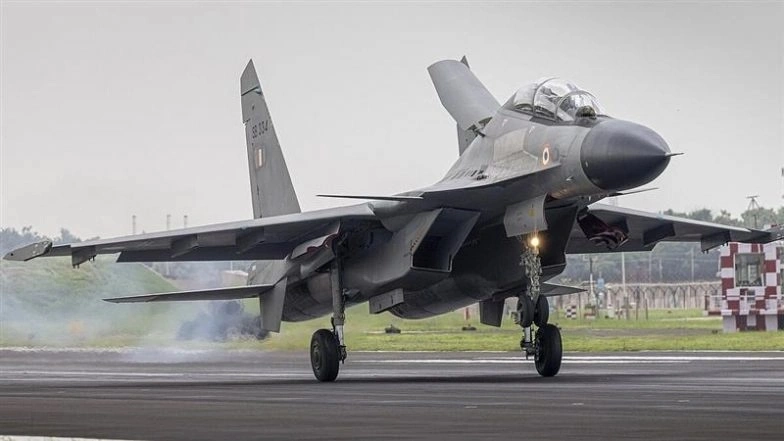
Assam, India – An Indian Air Force (IAF) Su-30MKI fighter jet has crashed in Assam after going missing from radar contact. The pilot’s status remains unknown as search and rescue operations continue, coordinated by multiple IAF and ground units. Authorities have confirmed that the aircraft lost contact while on routine operational training, and the cause of the crash is under investigation.
Indian Air Force Su-30MKI has crashed in Assam, pilot missing… pic.twitter.com/rjrtvsYSae
— Pakistan Strategic Forum (@ForumStrategic) March 5, 2026
This incident highlights ongoing concerns about operational safety and fleet management within the IAF. In recent years, the Indian Air Force has suffered several aircraft losses, including Rafale, Tejas, MiG, Jaguars, and other Su-30 models. Analysts point to recurring issues such as maintenance lapses, pilot fatigue, and procedural errors as contributing factors. Experts warn that despite India’s investment in advanced military hardware, systemic weaknesses in training and safety protocols continue to put both personnel and aircraft at risk.
The crash has reignited questions about the readiness of the IAF to operate a complex and modern fleet. Aviation specialists note that advanced technology alone cannot prevent accidents if operational discipline, maintenance rigor, and pilot training do not keep pace. Each loss not only endangers lives but also undermines the credibility of India’s air defense capabilities.
Search teams are combing the crash site in Assam, supported by aerial surveillance and ground personnel. Efforts are focused on locating the pilot and recovering the wreckage, while investigators will later examine flight data recorders and other evidence to determine the cause of the accident.
Observers emphasize that this crash should serve as a wake-up call for the IAF to review safety procedures, improve pilot training, and ensure stricter oversight of operational protocols. Without addressing these systemic issues, even India’s most advanced fighter jets remain vulnerable to preventable incidents.
The incident comes at a sensitive time, as India continues to modernize its air fleet and expand its regional influence. Analysts suggest that repeated accidents could affect operational readiness, international perception, and confidence in India’s defense capabilities.