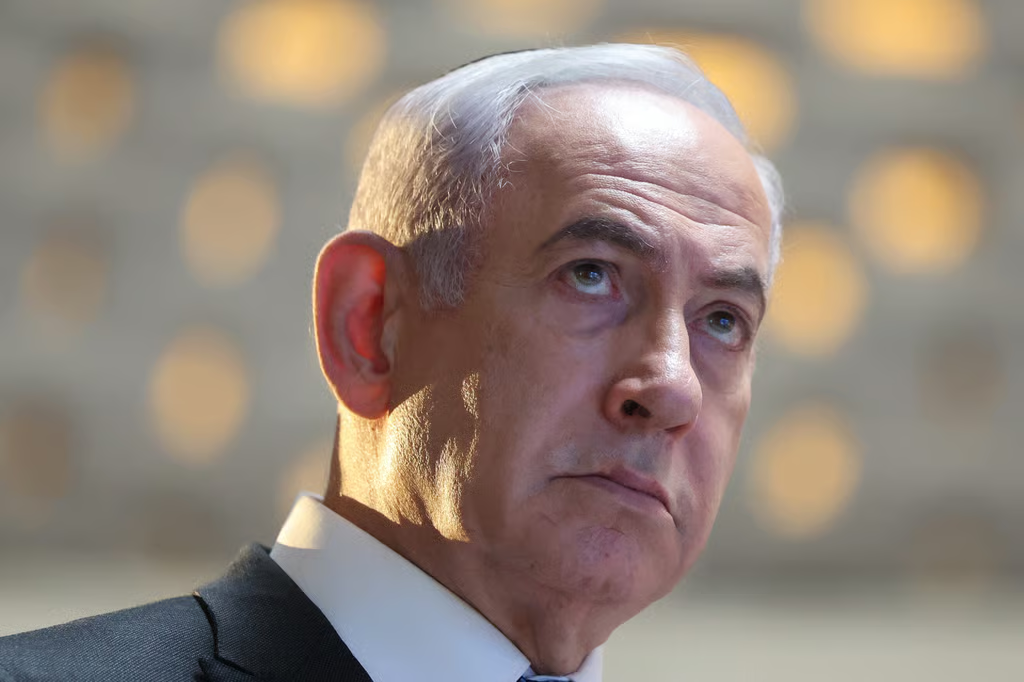
International Criminal Court (ICC) Prosecutor Karim Khan has revealed details about direct political pressure from both the United Kingdom and the United States, warning him against issuing arrest warrants for Israeli Prime Minister Benjamin Netanyahu and former Defence Minister Yoav Gallant.
These disclosures made in a written submission to the court, have intensified global concerns over the independence of the international justice system at a time when Gaza remains the center of a humanitarian catastrophe.
ICC prosecutor stated that on April 23, 2024, a senior British official warned him that if the ICC proceeded with the warrants, the UK would cut all funding to the court and even withdraw from the Rome Statute, the treaty that created the ICC.
Multiple reports indicate the call likely came from then Foreign Secretary David Cameron. Khan called the pressure “severe and unusual,” noting that such threats strike at the foundation of international justice.
Unprecedented political pressure on the world’s top court
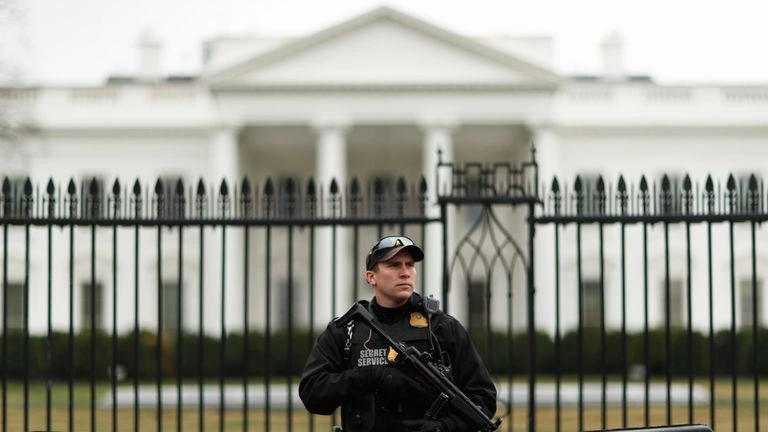
He also confirmed that an American official warned of “extremely serious consequences” should he move forward. Days later US Senator Lindsey Graham allegedly told him that issuing warrants would “incite Hamas to kill the hostages,” adding yet another political layer to what should have been a strictly legal process.
The pressure campaign escalated further when allegations of “sexual misconduct” surfaced on May 2. The allegations came when Khan’s office entered the final stages of preparing the warrants against Israeli leaders.
The complaint was filed without the alleged victim’s consent, and the woman later declined to pursue the matter. Nevertheless, the claim reappeared months later through anonymous social media accounts.
Khan has categorically denied any wrongdoing, calling the accusations a “media-driven smear” that should not influence judicial decisions.
Global justice system faces a crisis of credibility
Khan emphasized in his submission that he acted “with extreme impartiality” and that calls for his removal based on speculation were “unfounded and unjustified.”
However, his account has exposed a troubling reality. Powerful states have attempted to shape, delay, or derail ICC action even before formal proceedings in the Gaza case began.
The implications are profound. For many in the Global South, these revelations confirm long-held suspicions that the ICC bends under pressure when cases involve Western allies.
By documenting threats from both London and Washington, Khan has opened a deeper debate on whether the global justice system can truly operate independently. Whether political power continues to outweigh the principles of accountability and international law.
The ICC now faces a defining moment. Its credibility, especially in cases involving Gaza, Israel, and war crimes depends on whether it can resist political intimidation and uphold its mandate without fear or favor.
Read more: Pakistan and China Hold Key Security Talks as Afghan-Based Militants Expand Regional Threats