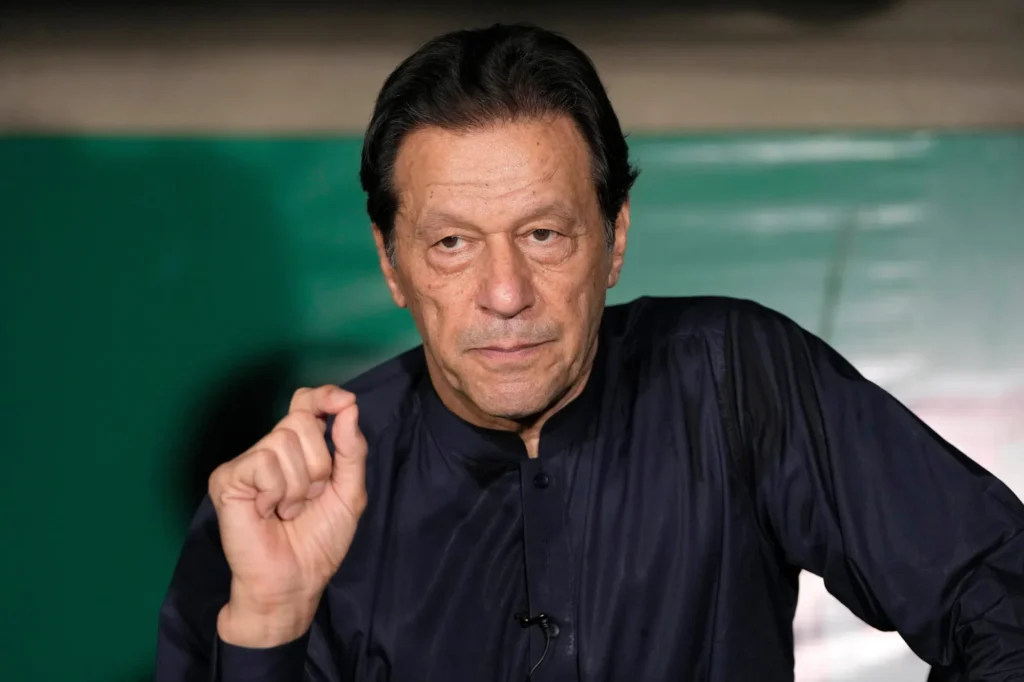
In recent weeks, international campaigns have described Imran Khan (IK) as a “political detainee.” However, this label overlooks the fact that he is a convicted prisoner following judicial proceedings in Pakistan. Court rulings cannot be invalidated by political branding abroad. Rule of law is not something that changes based on personality or preference.
Supporters abroad often portray IK as isolated, yet reports confirm he has hosted hundreds of visitors, issued political messages, and directed party activities from jail. Multiple convictions are on record, but lobbyists continue to frame his imprisonment as repression. This raises questions about whether such advocacy is truly about human rights or simply political theatre.
Human Rights Advocacy and Selectivity
International advocacy cannot override domestic court rulings. Pakistan’s judicial system provides appeals and remedies, and contested verdicts must be addressed through legal channels, not foreign lobbying. When advocacy selectively focuses on one figure while ignoring crises such as Gaza or Indian‑occupied Jammu and Kashmir, it risks losing credibility.
Convictions of individuals like Iman Mazari also emerged from judicial proceedings, not executive orders. Disagreement with verdicts does not mean due process was absent. Reframing court outcomes as repression undermines the integrity of legal institutions.
Balancing Global Narratives with Judicial Sovereignty
This debate comes after an open letter addressed to the US, EU, Commonwealth, and OIC, highlighting alleged medical neglect and arbitrary detention of IK. While such letters aim to draw global attention, critics argue that selective campaigns blur the line between genuine human rights advocacy and political lobbying. For Pakistan, the challenge remains balancing international narratives with respect for its judicial sovereignty.
Read More: Blind Loyalty Turns Politics Into an Anti-State Movement

![American federal agencies and local police have exposed large-scale human trafficking and organized crime networks operated by Indian nationals across multiple states [IC : by AFP]](https://htnworld.com/wp-content/uploads/2026/02/WhatsApp-Image-2026-02-19-at-15.14.16.webp)