
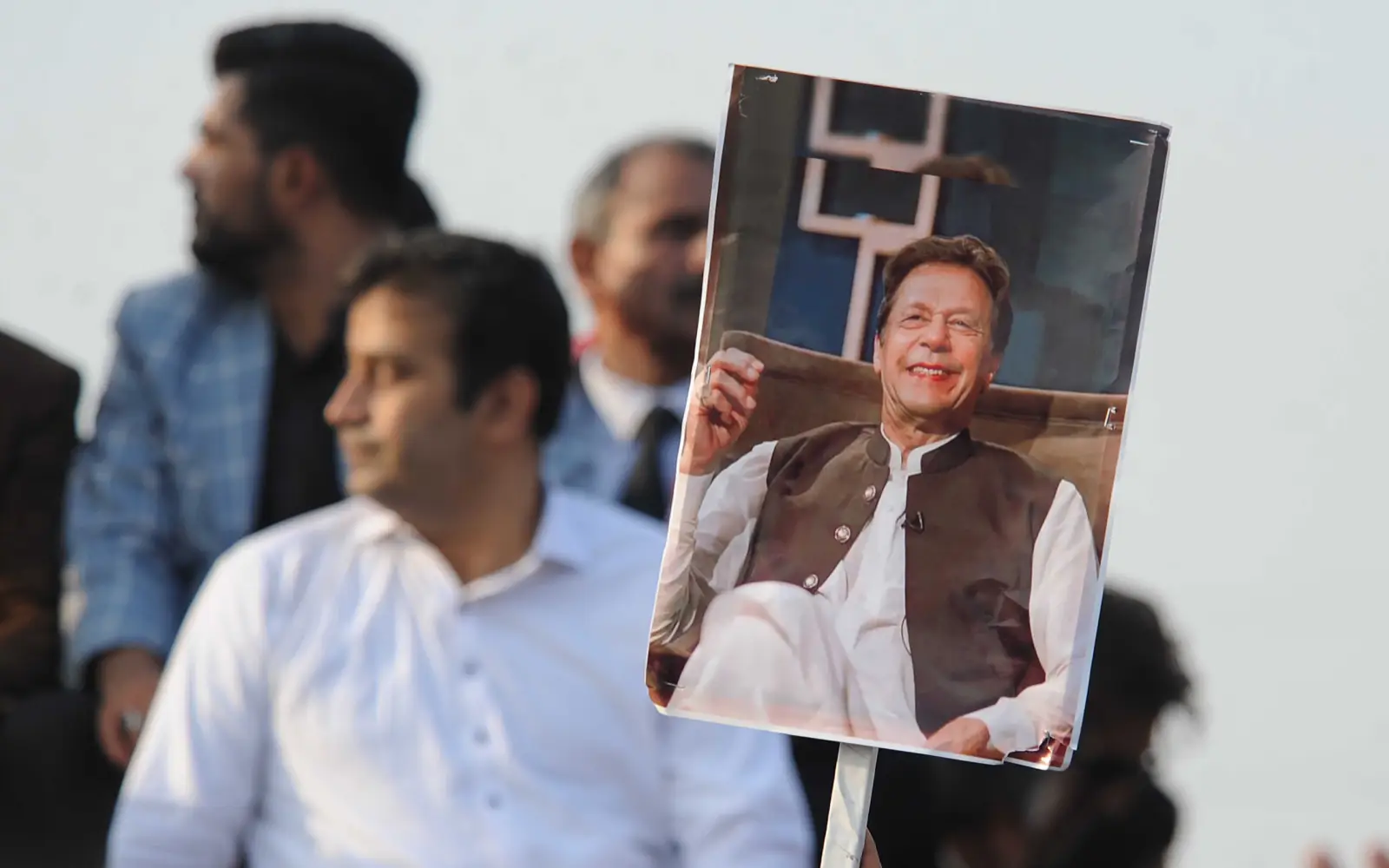
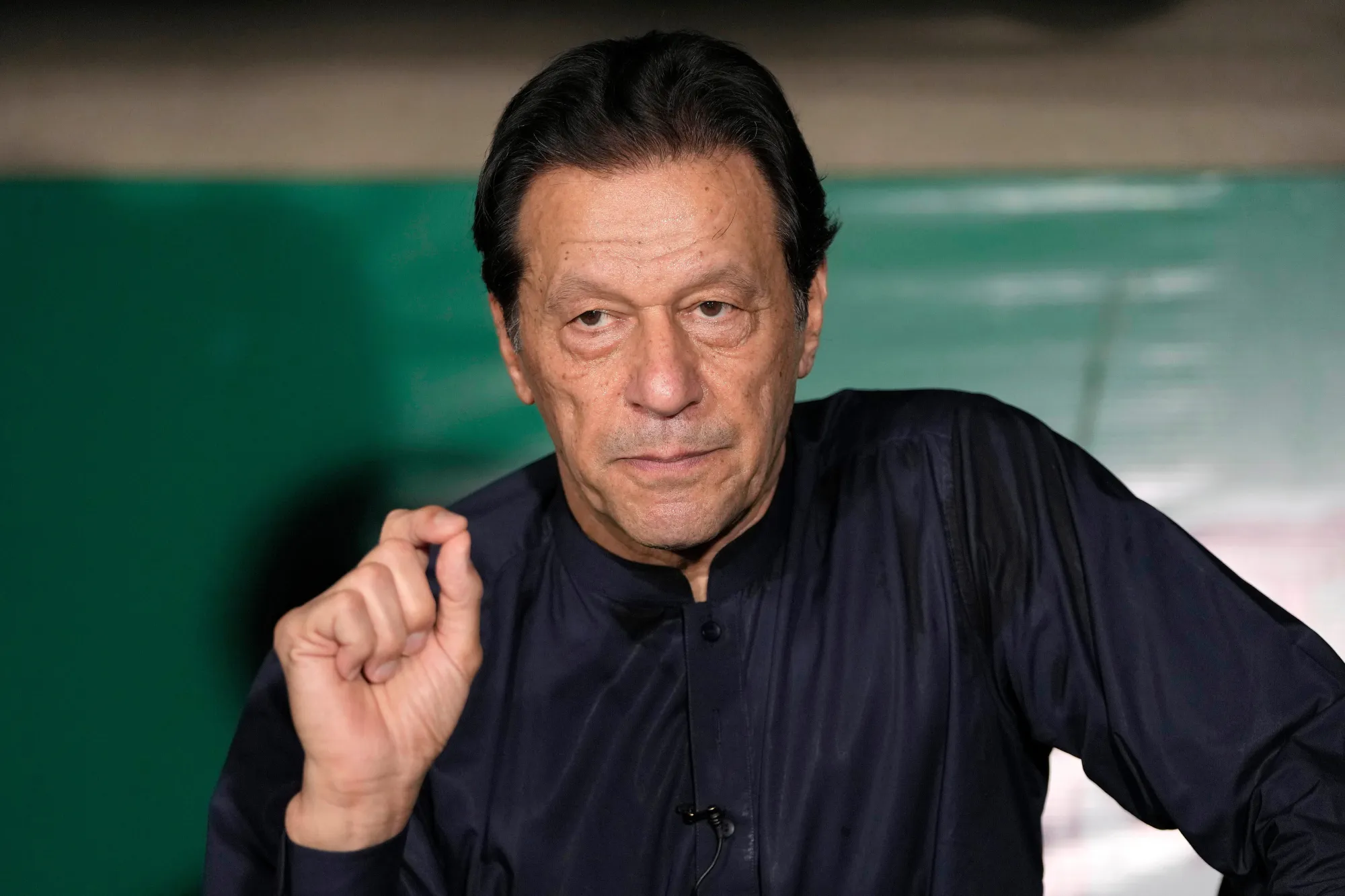
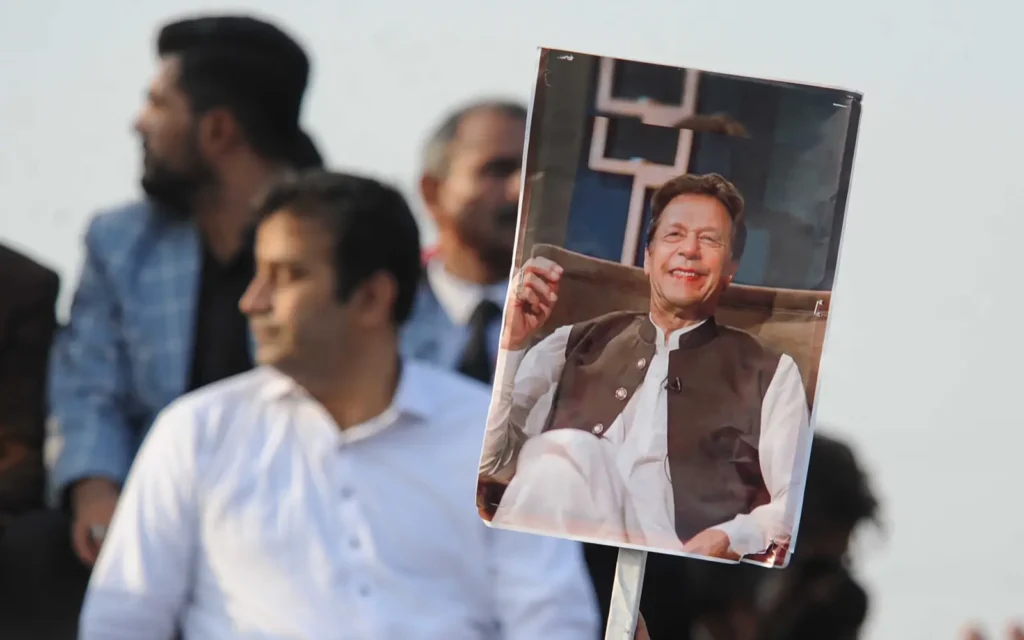
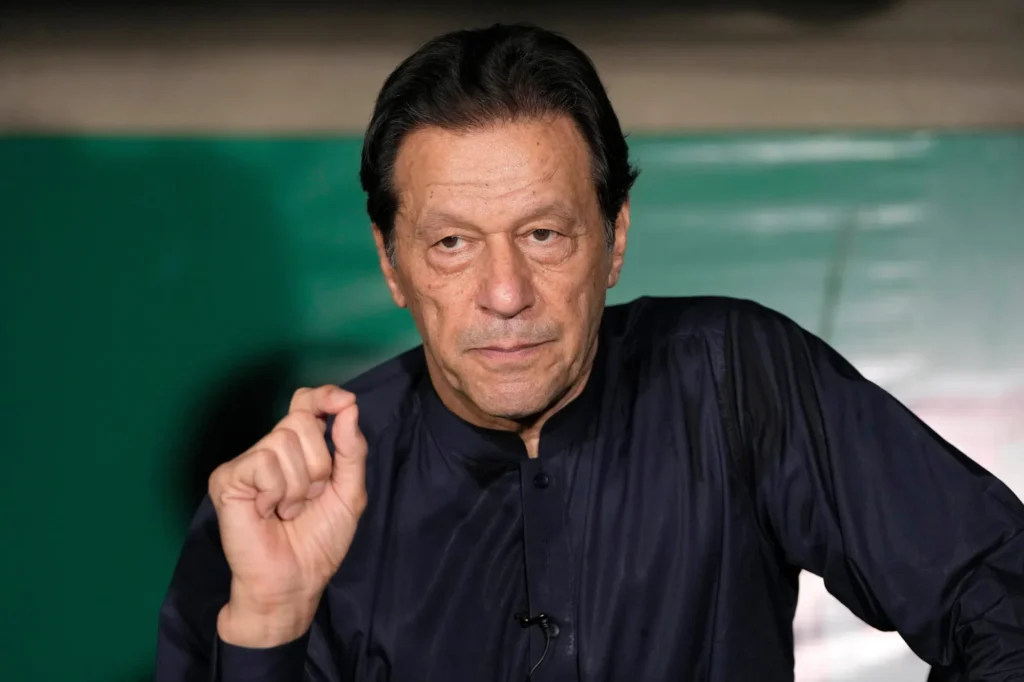
The political debate between the government and Pakistan Tehreek-e-Insaf has grown sharper over the health, medical checks, and meetings of PTI founder Imran Khan.
Statements from both sides have become stronger, with claims of legal violations, political pressure, and efforts to pull state institutions into controversy. What began as a health-related issue has now turned into a wider political confrontation.
Government Stance Focuses on Law and Public Impact
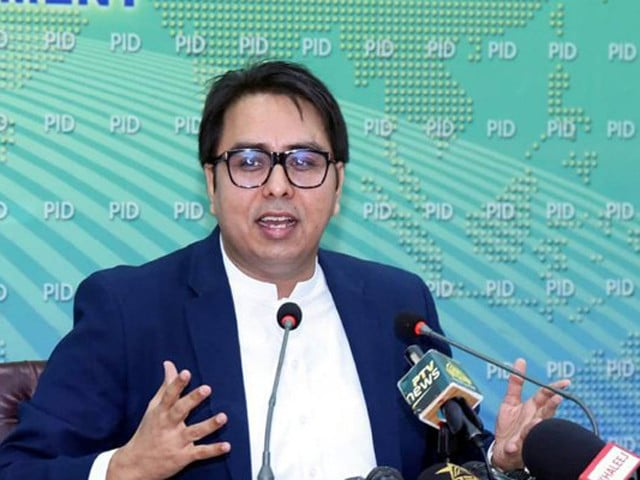
From the government’s side, the issue is being framed as a matter of law, not personalities. Officials say a team of qualified doctors was formed to examine Imran Khan. This team also included Dr. Nadeem Qureshi, a doctor suggested by PTI.
According to government sources, the medical process is ongoing and a report will be submitted to the Supreme Court. They argue that if the process is open and lawful, the continued objections do not seem justified.
Meanwhile, the government has pointed to the impact of PTI protests on daily life. Road blockages and sit-ins, they say, caused serious problems for ordinary citizens. Ambulances were delayed, transport was disrupted, and patients suffered.
Officials stress that police action was taken under court orders, with directions coming from the Peshawar High Court. As a result, they reject claims of military involvement and describe them as misleading. In their view, politics is being played in the name of health, and the public is bearing the cost.
PTI Raises Concerns Over Rights and Transparency
On the other hand, PTI leaders insist that Imran Khan has only asked to meet his personal doctors, which they describe as his legal and constitutional right.
They question why personal doctors and family members are not allowed during medical examinations if there is nothing to hide. According to PTI, limits on meetings and delays in court hearings have increased doubts and concerns.
In addition, PTI leaders claim that jail authorities are not fully following court orders. They say their workers are protesting peacefully and that their only demand is fair and transparent medical care for their party founder.
Some party figures have also questioned the role of the Khyber Pakhtunkhwa police leadership, warning that rising tension could further harm the political climate.
Political observers note that the matter has moved beyond health alone. It now touches issues of trust, justice, and the role of institutions.
In the current situation, analysts believe that calm dialogue and respect for the legal process are essential to prevent further public unrest.
![PTI’s Decline: From Drama Politics to Public Rejection [IC : by AFP]](https://htnworld.com/wp-content/uploads/2026/02/images-20.jpeg)
![Indian University Criticized for Claiming Chinese Robot Dog at AI Summit [IC : by AFP]](https://htnworld.com/wp-content/uploads/2026/02/2026_02_18T054623Z_43764611_RC24OJA9ZFFS_RTRMADP_3_INDIA_AI.webp)
![Indian University Criticized for Claiming Chinese Robot Dog at AI Summit [IC : by AFP]](https://htnworld.com/wp-content/uploads/2026/02/2026_02_18T054623Z_43764611_RC24OJA9ZFFS_RTRMADP_3_INDIA_AI-1024x682.webp)
![“Shutting down your own province in the name of protest will not work at all;” Salman Akram Raja criticized the provincial government [IC: by AFP]](https://htnworld.com/wp-content/uploads/2026/02/28172733b3078d4-1024x614.webp)