Doha — India has announced an increase in budget allocation for Afghanistan, aiming to support reconstruction and development. However, analysts and Afghan observers warn that the Taliban’s control over the country raises serious concerns about transparency and effective use of aid.
Taliban Mismanagement Poses Risks
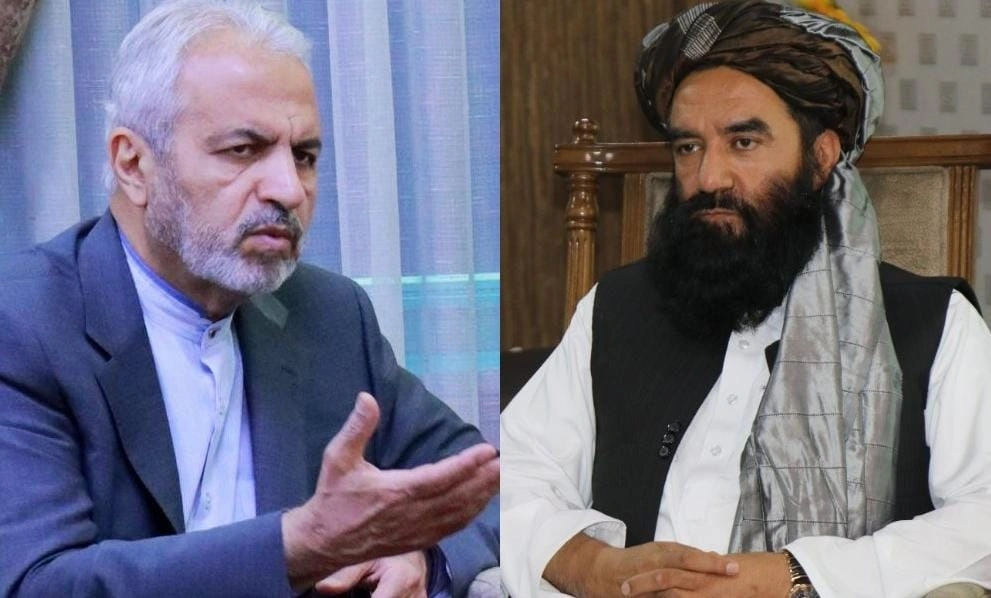
Afghan ambassador to Qatar, Suhail Shaheen, noted in an interview with WION that while India’s decision is a positive signal for regional cooperation, the Taliban’s history of governance challenges, corruption, and human rights abuses could limit the benefits of foreign assistance.
Aid intended for reconstruction, infrastructure, and training may be diverted or mismanaged, resulting in limited impact for ordinary Afghan citizens, according to experts.
India’s Strategic Interests
Observers note that India’s increased funding reflects its geopolitical interests in Afghanistan, but Shaheen stressed that without proper oversight, the aid could inadvertently strengthen the Taliban regime rather than benefit the Afghan population. He emphasized the need for projects to focus on people-to-people development, trade, and investment opportunities, rather than consolidating Taliban power.
Economic Potential vs. Reality
While Afghanistan’s reconstruction presents opportunities for investment and trade, the Taliban’s tight control over the country poses risks for effective economic development. Experts caution that unless monitoring mechanisms are enforced, foreign aid may fail to reach the intended communities.
Outlook: Aid, Accountability, and Regional Stability
International partners, including India, are urged to balance engagement with strict accountability measures, ensuring that assistance supports civilians and reconstruction rather than reinforcing the Taliban’s control. Analysts warn that without careful management, foreign aid could legitimize a regime with poor governance and limited regard for human rights.