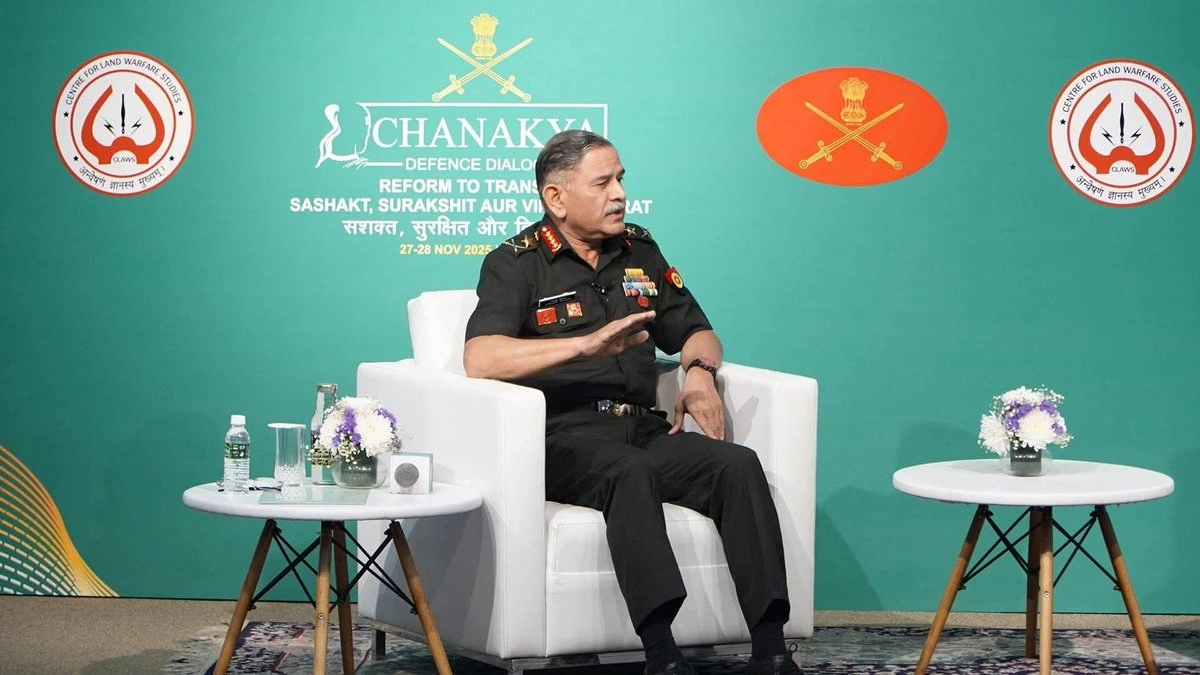
India’s latest assertions on security conditions in Indian-held Jammu and Kashmir, delivered prominently by Indian Army Chief General Upendra Dwivedi at the Chanakya Defence Dialogue on November 17, have drawn sharp criticism from defence analysts, human rights organisations, and international observers. Pakistan has dismissed the claims as unverified, politically driven, and inconsistent with independent reporting from the region.
General Dwivedi, describing a “huge decline” in terrorism since August 2019, claimed that 31 alleged militants were killed this year, 61 percent of whom were Pakistani citizens. Yet India has provided no publicly accessible intelligence, identity records, or verifiable evidence to substantiate these numbers. Rights groups and UN experts continue to document arrests, cordon-and-search operations, communication restrictions, and sustained political pressure across Kashmir, conditions that contradict New Delhi’s narrative of stability and normalisation.
Diplomatic analysts argue that India’s framing reduces the deeply political Kashmir dispute to an externally manufactured militancy problem, ignoring the indigenous nature of Kashmiri dissent.
Observers Questions India’s “Talks and Terror Can’t Go Together” Stance
Analysts have rejected India’s long-standing stance that dialogue cannot proceed alongside terrorism allegations, calling the position a political pretext that obstructs diplomacy rather than encouraging regional stability. Statements such as “blood and water cannot flow together,” Pakistani officials say, have been used as deliberate political tools to justify halting engagement and cooperation.
New Delhi’s references to “Operation Sindoor” as only a “trailer” of tougher actions to come have heightened concerns in Islamabad, where officials warn that such rhetoric risks triggering unnecessary escalation. Claims that recent Indian operations caused “no civilian harm” are also disputed, with independent accounts highlighting continued distress and community-level disruptions.
Concerns Over Arms Buildup and Strategic Posturing
General Dwivedi’s emphasis on multi-domain warfare, strategic confidence, and accelerated military modernisation has prompted warnings from regional experts who fear that India’s posture could intensify a South Asian arms race. Pakistan maintains that while it will pursue defensive modernisation, long-term stability requires meaningful arms-control frameworks, confidence-building measures, and sustained dialogue.
Analysts further note that references to the situation in Manipur during the dialogue serve to deflect attention from Kashmir’s unique political history and ongoing human rights concerns. Unlike Manipur, Kashmir remains an internationally recognised dispute, subject to sustained scrutiny by global rights bodies.
Unsubstantiated Claims Fuel Skepticism
A central point of contention remains India’s claim that most of the killed militants were Pakistani nationals. Without documentary evidence or independent verification, critics say the assertion appears to serve political messaging rather than transparent security reporting. India has not permitted third-party scrutiny nor released detailed dossiers that would allow independent confirmation.
Experts have urged the international community to subject India’s statements to impartial evaluation and play a constructive role in advancing a political settlement rooted in the Kashmiri people’s right to self-determination. Islamabad argues that such a resolution is essential not only for regional peace but also for countering narratives that rely on opaque data, selective disclosures, and unverifiable claims.