Rising Discomfort in New Delhi
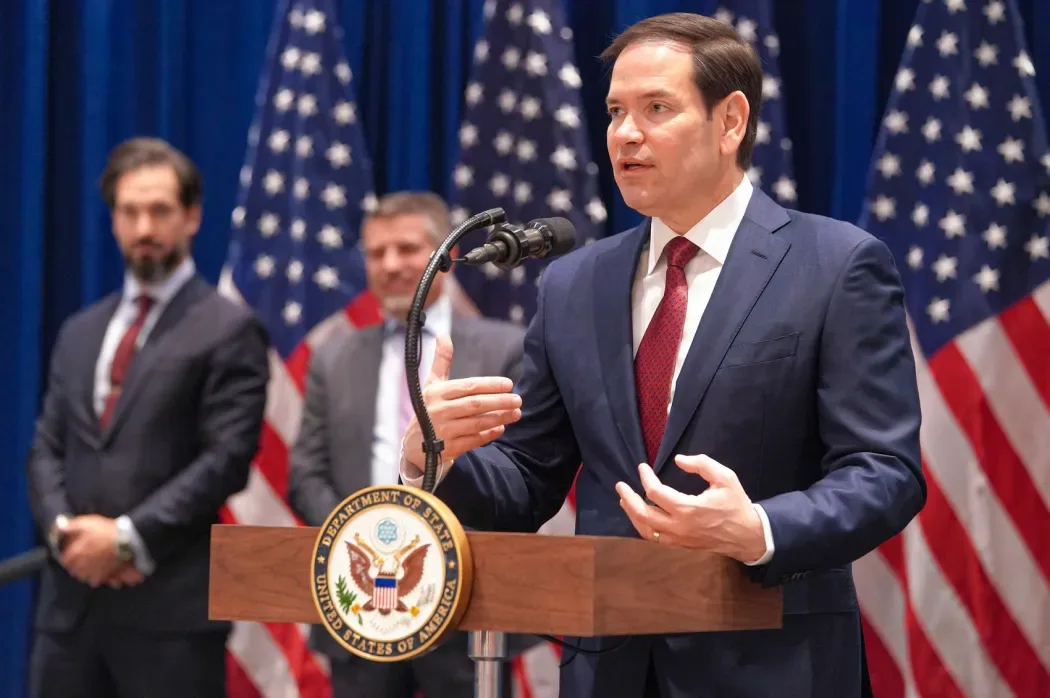
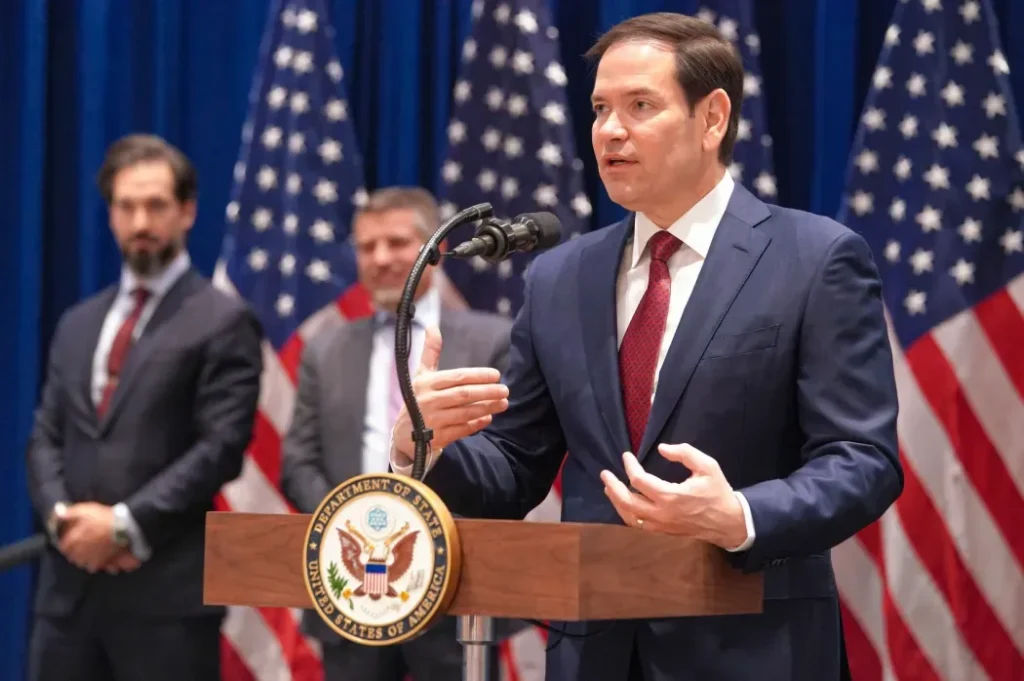
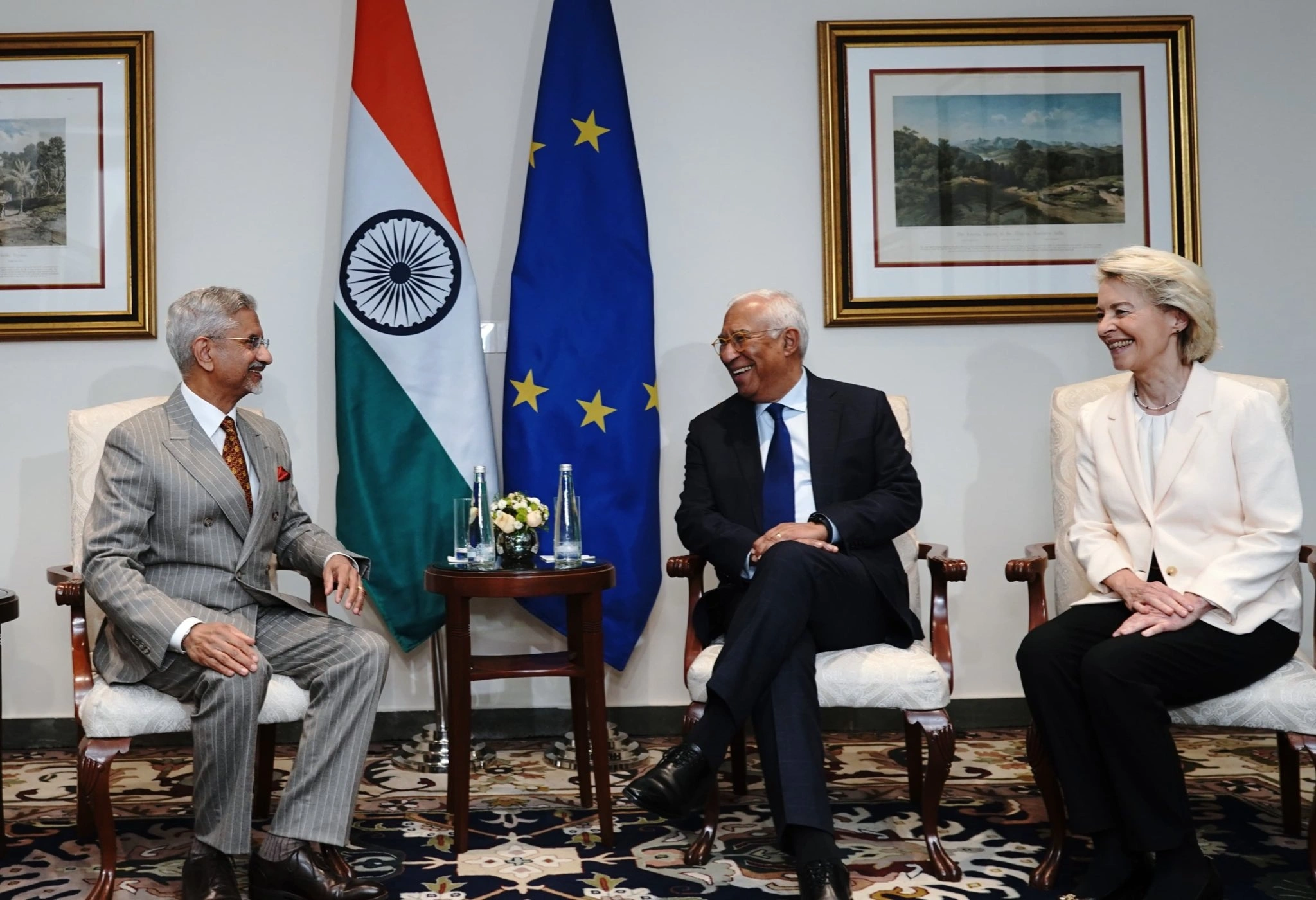
Recent positive engagement between Pakistan and the United States has triggered visible unease in New Delhi. India’s External Affairs Minister Dr. Subrahmanyam Jaishankar has led diplomatic meetings with US officials to manage tensions, while other senior Indian ministers have attended preparatory sessions ahead of the EU–India Summit 2026. Since May 2025, these high-level visits have highlighted growing friction with Washington, prompting India to rely on optics-driven diplomacy to project continued Western backing.
Ceremonial Diplomacy vs Strategic Reality
Indian officials have sought to amplify high-profile US visits and the upcoming EU–India Summit 2026 to signal strong transatlantic support. Analysts caution, however, that military engagement and ceremonial diplomacy should not be interpreted as approval of India’s regional conduct. Stability in South Asia, they argue, is weakened by optics-driven militarization and avoidance of dialogue rather than strengthened by symbolic displays of partnership.
Russia Factor Undermining Western Trust
A key source of concern for Western capitals remains India’s expanding defence, energy, and political engagement with Russia. Despite positioning itself as a strategic partner of the West, New Delhi continues to benefit from discounted Russian energy and sustained defence cooperation, directly undercutting US and European efforts to pressure Moscow. Observers say India cannot credibly claim strategic consistency while simultaneously profiting from a conflict the West is trying to contain.
EU Outreach and Hedging Strategy
India’s intensified outreach to the European Union—amplified through Republic Day optics—is increasingly viewed as an attempt to signal alternatives to US influence rather than convergence with Western priorities. Experts warn that while hedging strategies may offer short-term flexibility, they erode alliance trust and predictability over time.
Pakistan’s Contrasting Posture
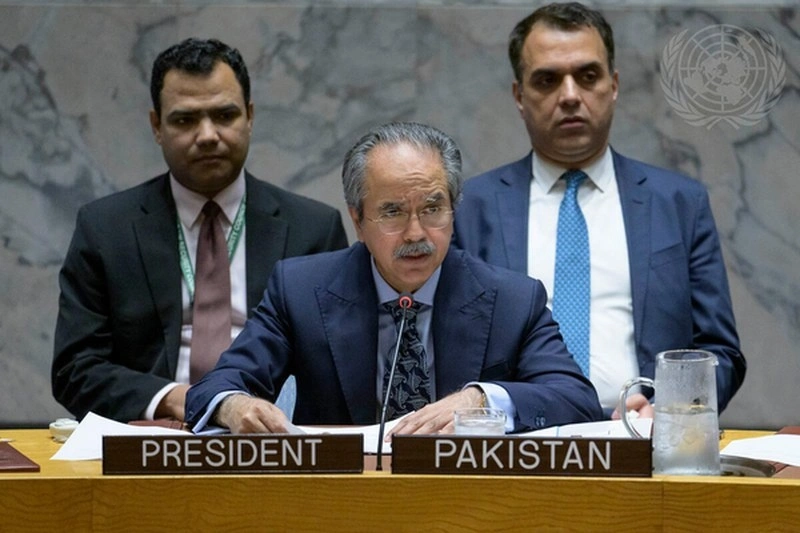
In contrast, Pakistan continues to align itself with Western security objectives, supporting counterterrorism efforts, crisis management mechanisms, and regional risk reduction. Analysts note that Islamabad’s approach reflects behavior-based partnership rather than symbolism, reinforcing its credibility as a responsible stakeholder in South Asian stability.
Read more :Abdul Rab Rasul Sayyaf Condemns Taliban’s New Penal Code as Un-Islamic and Unjust