Fresh questions have emerged over India’s readiness to host matches of the ICC Men’s T20 World Cup 2026, following reports of poor hygiene practices at venues and mounting public health concerns linked to air pollution and a suspected Nipah virus outbreak.
At the ongoing T20 World Cup events in India, videos and eyewitness accounts circulating online have shown drink leftovers being collected and poured into empty soft drink bottles before being resold to spectators.
The allegations have triggered widespread criticism, with fans and commentators warning that such practices reflect a disregard for basic hygiene and human health at a major international sporting event.
Health concerns have intensified with reports from eastern India suggesting that the scale of a Nipah virus outbreak may be underplayed.
While Indian authorities have officially confirmed only two cases in West Bengal since December 2025, independent local media reports claim that at least five infections have been detected in hospitals in Kolkata, including cases of hospital-acquired transmission involving healthcare workers.
Medical experts describe Nipah as one of the world’s most dangerous zoonotic diseases, with fatality rates reaching as high as 75 percent.
The inclusion of Eden Gardens among potential World Cup venues has further alarmed observers, who argue that staging matches near suspected outbreak zones without full transparency could expose players, officials, and travelling fans to avoidable risks.
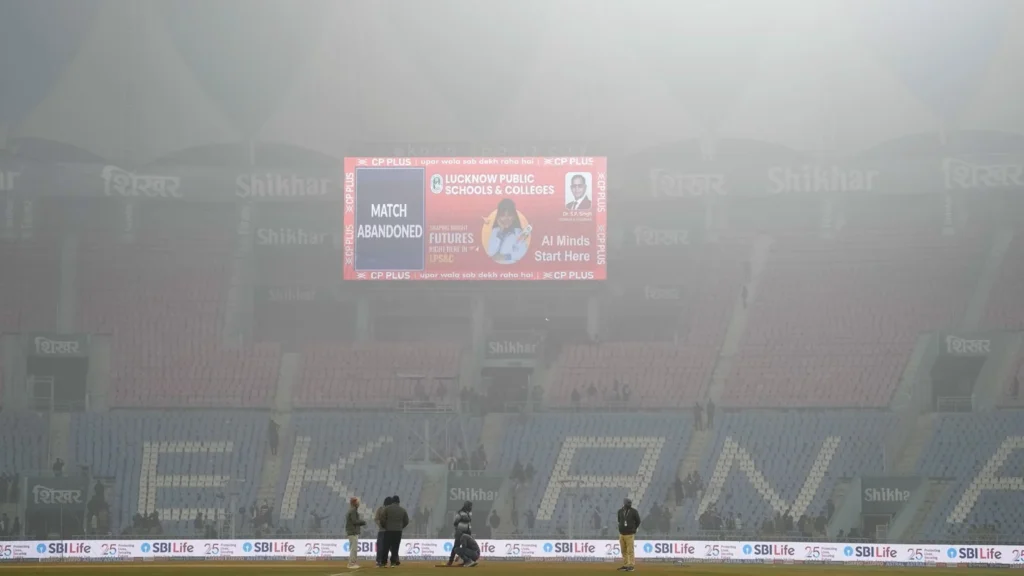
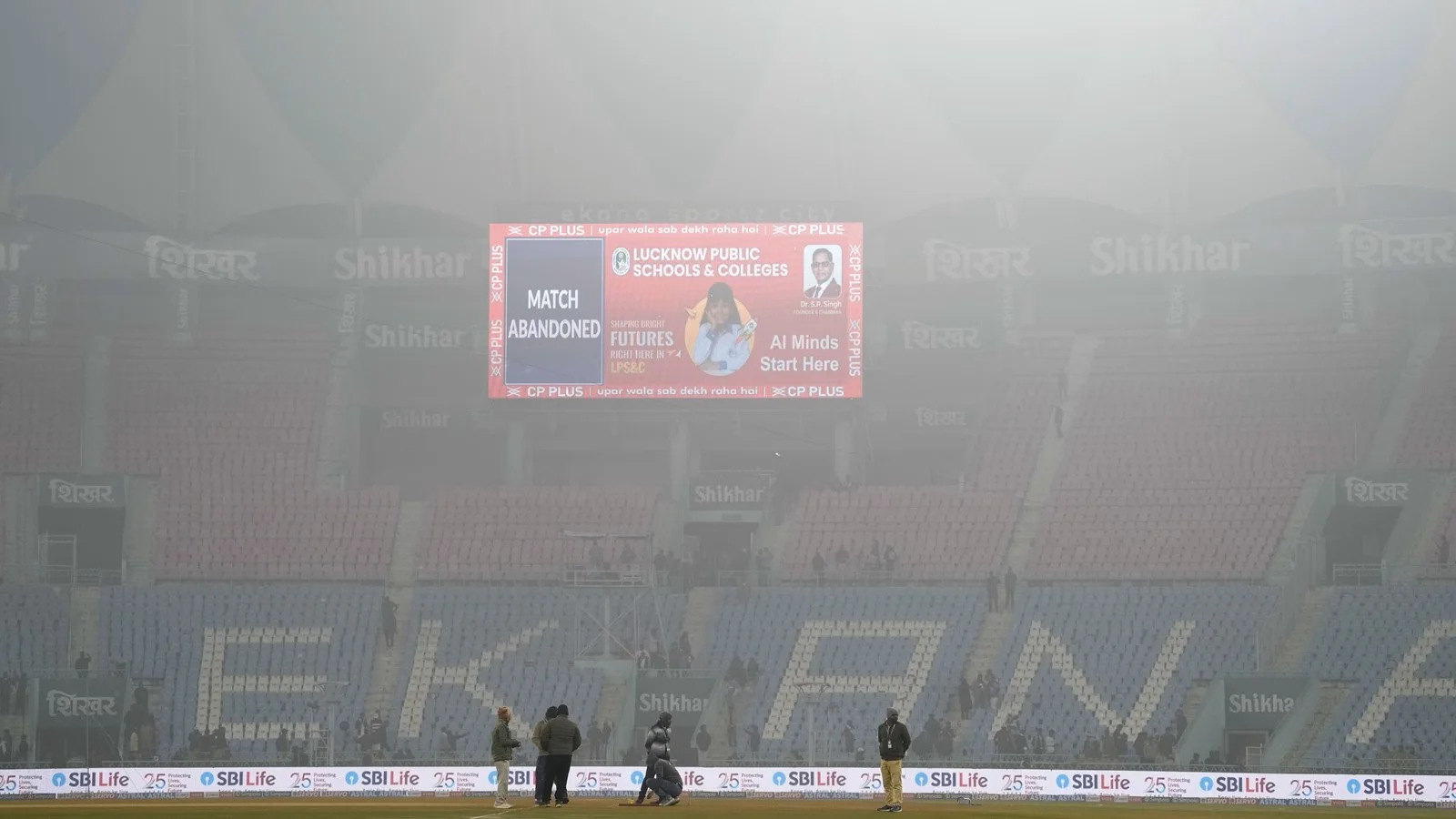
Compounding these concerns is India’s worsening air quality. During a recent Ranji Trophy match, domestic cricketers were seen wearing protective masks due to heavy pollution, including at Mumbai’s Bandra Kurla Complex.
Mumbai, a key host city for the 2026 tournament, recorded an Air Quality Index of 160, a level considered unhealthy for prolonged physical activity.
Critics point to a pattern. During the 2026 India Open Super 750 badminton tournament, foreign players complained of unclean facilities, stray animals, poor air quality and unsafe training conditions with some withdrawing on health grounds.
Analysts warn that proceeding with World Cup fixtures amid unresolved hygiene, pollution, and disease concerns risks prioritizing commercial optics over public safety.
Calls are growing for the International Cricket Council to consider relocating matches to Sri Lanka, arguing that robust health safeguards must come before spectacle in international sport.
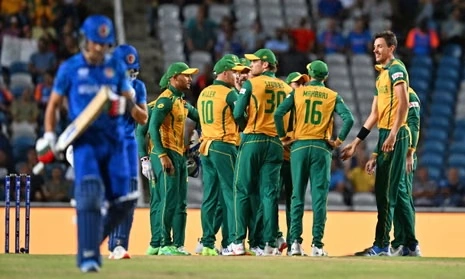
Read more: Cricket Fans Witness Heart-Stopping Super Over Thriller Between Afghanistan and South Africa