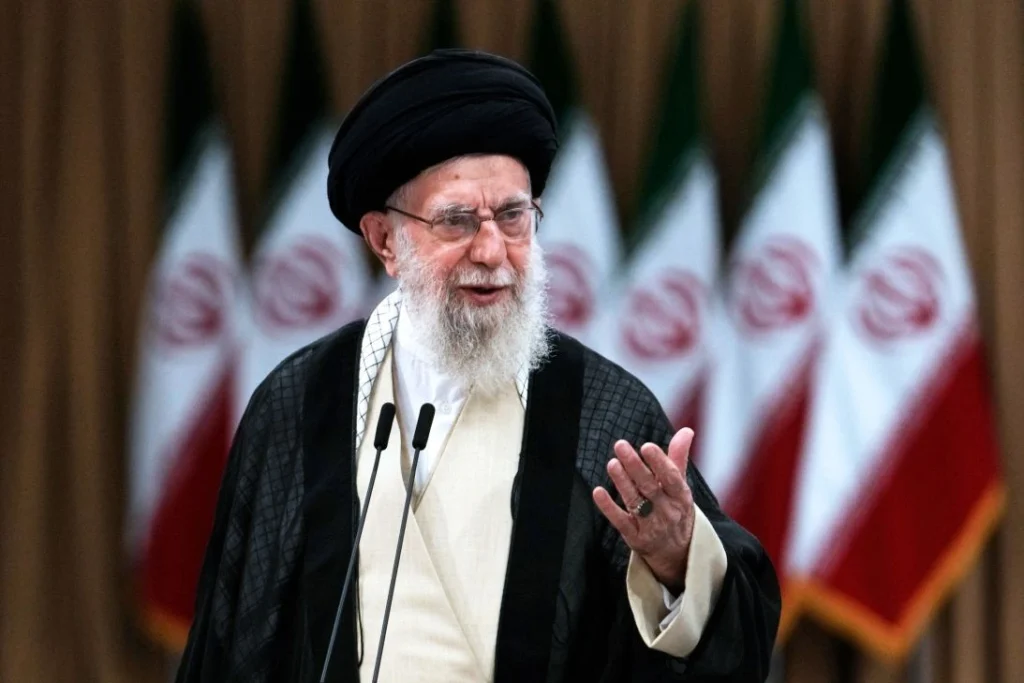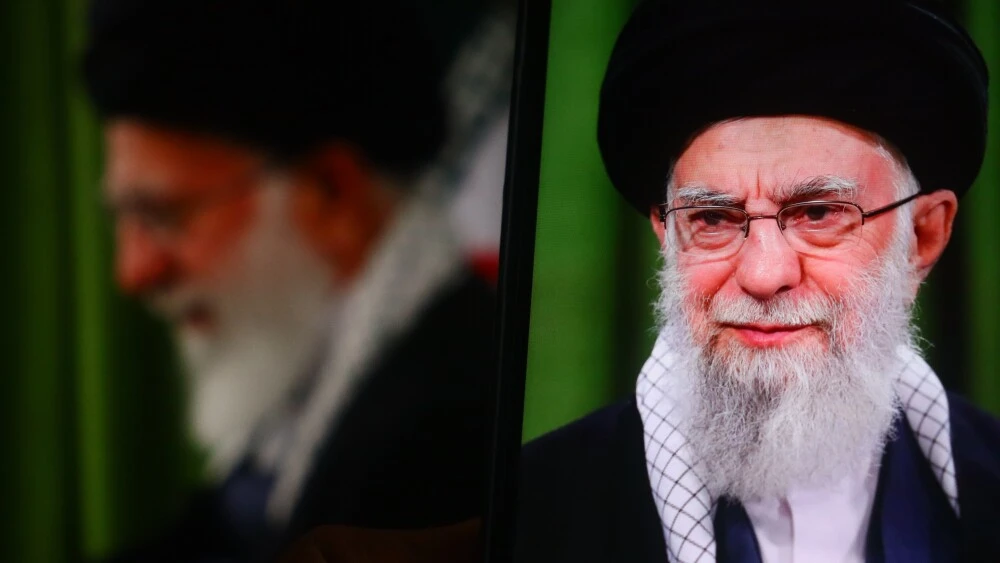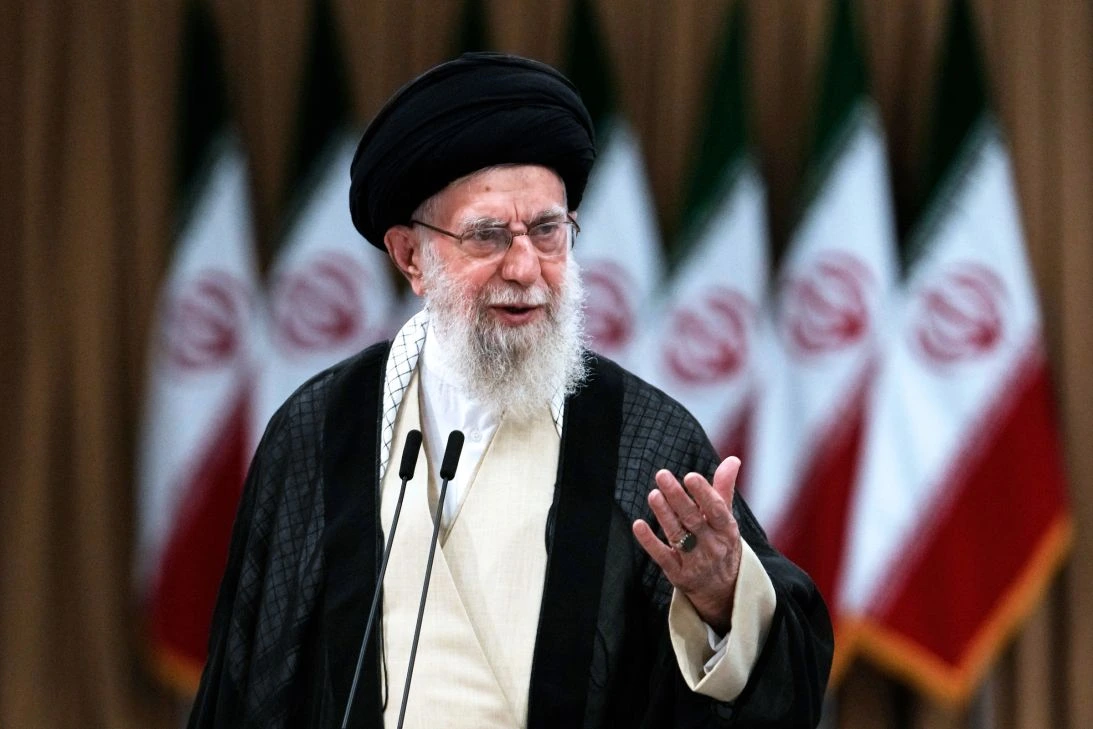
Ayatollah Ali Khamenei, Iran’s Supreme Leader for nearly 37 years, passed away on February 28, 2026, following joint Israeli and U.S. attacks on multiple Iranian cities, including Tehran. He was 86. Born on July 17, 1939, in Mashhad, a holy city in Iran, Khamenei grew up in a modest Shia clerical family. His father, Ayatollah Javad Khamenei, was a strict religious scholar who emphasized discipline and devotion.
Khamenei began his religious education under his father and later studied in Qom under prominent Shia scholars, including Ayatollah Khomeini. By the 1960s, he had become an active political worker, opposing the Pahlavi monarchy. He was repeatedly arrested by the Shah’s secret police, imprisoned, and even exiled. Khamenei translated works of anti-colonial thinkers and helped organize underground networks of clerics and students.
Rise to Leadership and Consolidation of Power
Khamenei played a key role in the 1979 Islamic Revolution, which overthrew the Shah. After the revolution, he held critical positions in security and ideological training. In 1981, following the assassination of President Mohammad Ali Rajai, Khamenei became Iran’s third president, serving until 1989. A bomb attack in 1980 by the People’s Mujahedin of Iran left him partially paralyzed and scarred.
After Ayatollah Khomeini’s death in 1989, Khamenei was chosen as Supreme Leader, even without being the highest religious authority. During his tenure, he consolidated power over Iran’s military, judiciary, intelligence agencies, and the Guardian Council. The Revolutionary Guards gained significant influence, becoming a powerful state institution.
Foreign Conflicts and Final Years
Khamenei’s leadership was marked by suspicion of Western influence and strict internal control. He promoted self-reliance through a “resistance economy” and frequently intervened in foreign policy and nuclear negotiations. Iran faced repeated foreign attacks, including Israeli strikes on missile sites in 2024, the “Twelve-Day War” in 2025, and the joint Israeli-U.S. attacks in 2026 that ultimately led to his death.
Khamenei was fluent in Persian, Arabic, and Azerbaijani Turkish, with a strong interest in poetry and literature. He is survived by six children, with his son Mojtaba playing an influential behind-the-scenes role. His death marks the end of an era for Iran, leaving a lasting impact on the country’s politics, religion, and regional influence.
Read more:Supreme Leader Khamenei Killed in Strikes, State Media Confirms