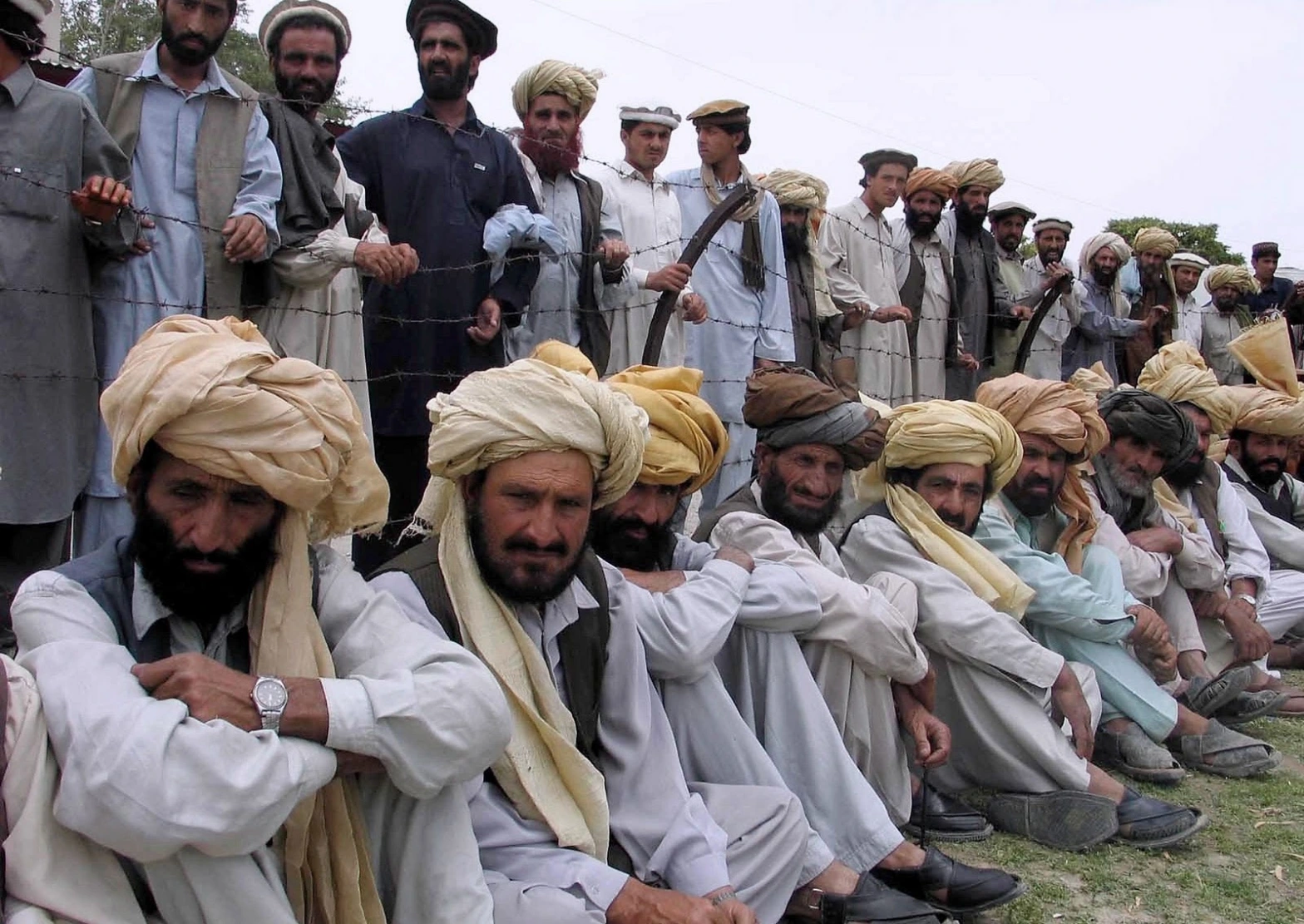
Iran has announced plans to grant long-term residency to Afghan refugees who have lived in the country for more than three decades. However, there are reports of dozens of Afghan migrants dying while attempting to cross the Iran–Afghanistan border during extreme winter conditions.
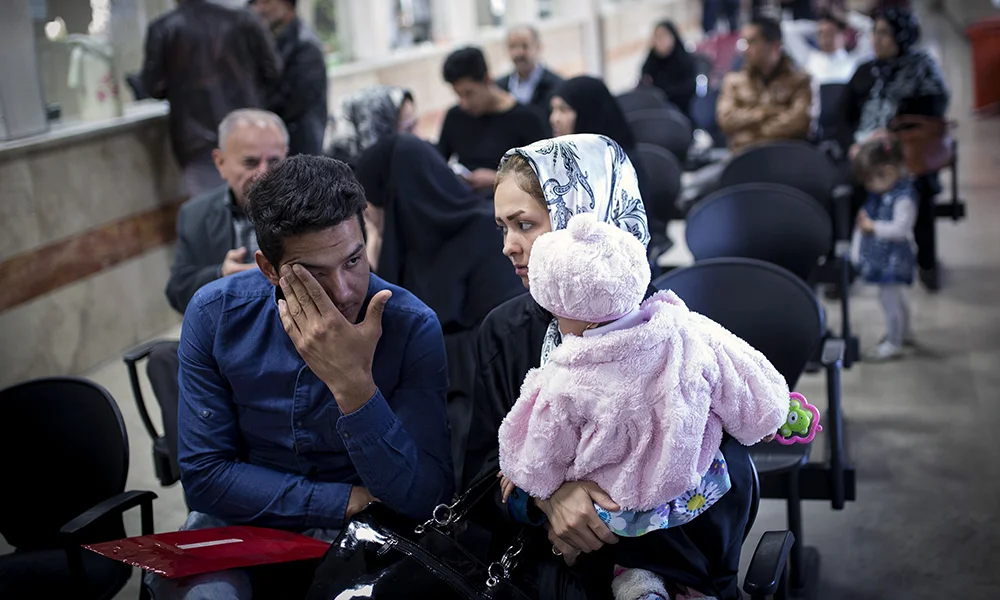
Morteza Mahmoudi, a member of Iran’s parliamentary committee on internal affairs, said Afghan refugees with over 30 years of residence in Iran, along with their second and third-generation descendants, will be eligible for long-term residency under official government support.
Speaking to Iranian media, Mahmoudi stressed that the policy would apply only to individuals who meet legal and ethical standards and have no criminal or security records.
He described long-settled Afghans as an “integral part of Iran’s social and economic fabric,” adding that Tehran’s approach was humanitarian and civilizational rather than temporary or security-driven.
The announcement comes as Iran’s parliament finalizes the National Immigration Organization bill, which officials say could provide a more structured framework for managing Afghan refugees.
Questions over scope and inclusion
Despite the announcement, uncertainty surrounds the actual scope of the proposed policy.
Afghan and regional sources report that, in practice, consideration may be limited largely to Shia Afghans from northern provinces.
No official draft law or implementing regulations have yet been made public, leaving questions over eligibility, timelines, and whether Sunni refugees or those from other regions would be included.
Observers say the gap between political statements and legal guarantees has long complicated the status of Afghan refugees in Iran, many of whom have lived there for generations but remain without permanent rights.
Deadly crossings and deportation pressure
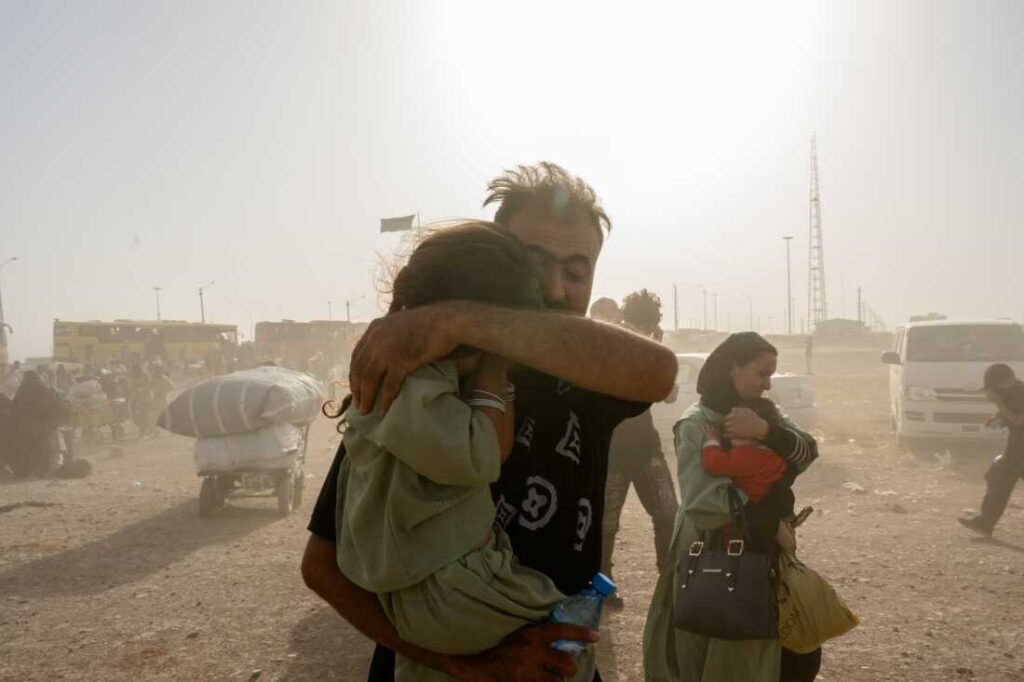
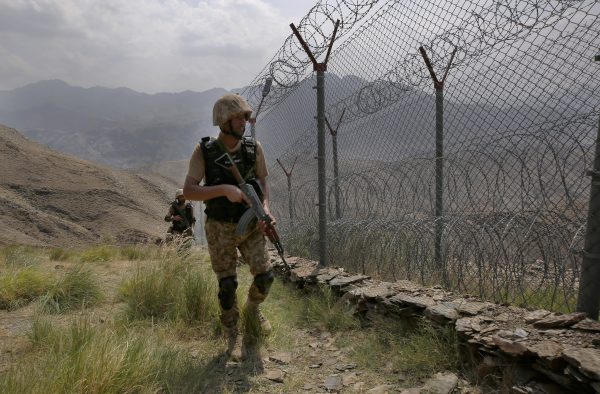
At the same time, a humanitarian crisis is unfolding along the border with Afghanistan.
Sources in western Afghanistan say up to 40 Afghan migrants have died after illegally crossing into Iran during a severe cold snap.
At least 15 bodies were reportedly transferred to districts in Herat province, with several migrants still missing.
The deaths come amid a broader crackdown. Iranian officials say more than 1.6 million Afghan refugees and migrants have been expelled this year, with deportations accelerating in recent months as border controls tightened.
Rights groups warn that the combination of mass expulsions, harsh winter conditions, and limited legal pathways has turned migration routes into deadly corridors, raising serious humanitarian and legal concerns.
Read more: Coercive Water Politics Threatens Pakistan’s Food Security