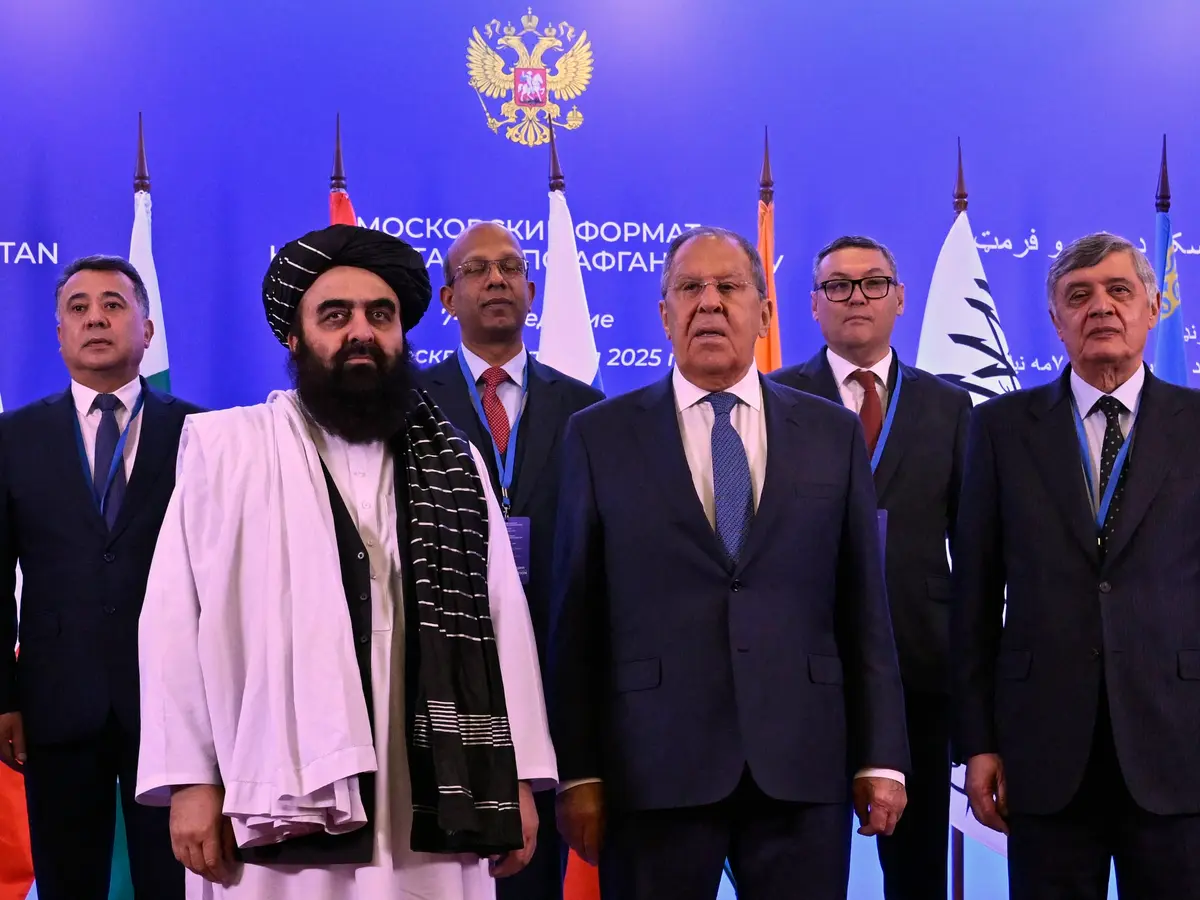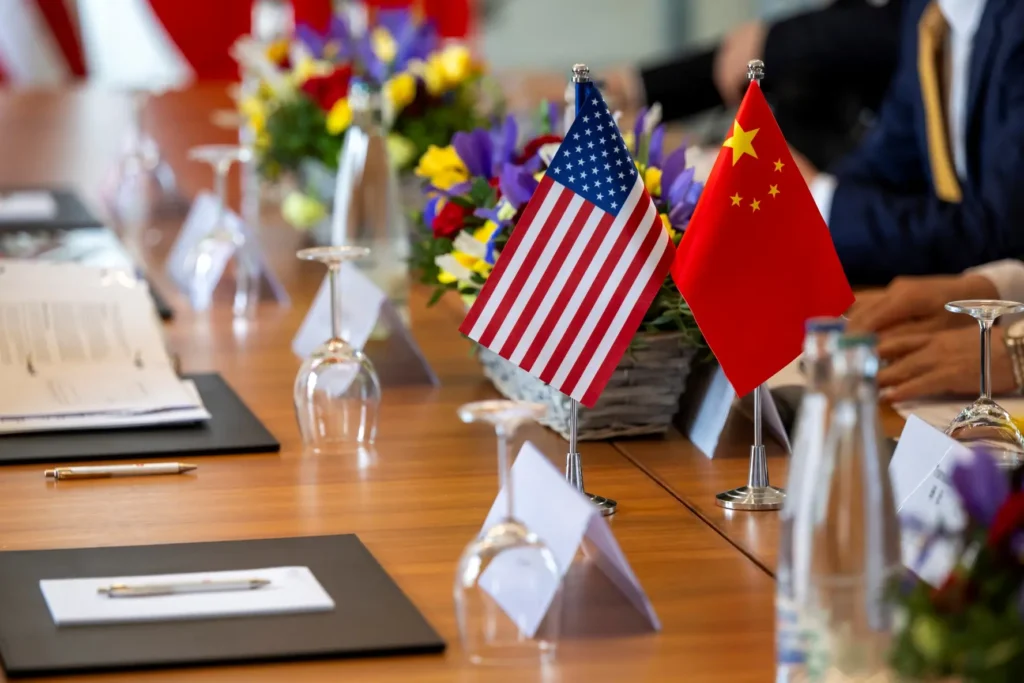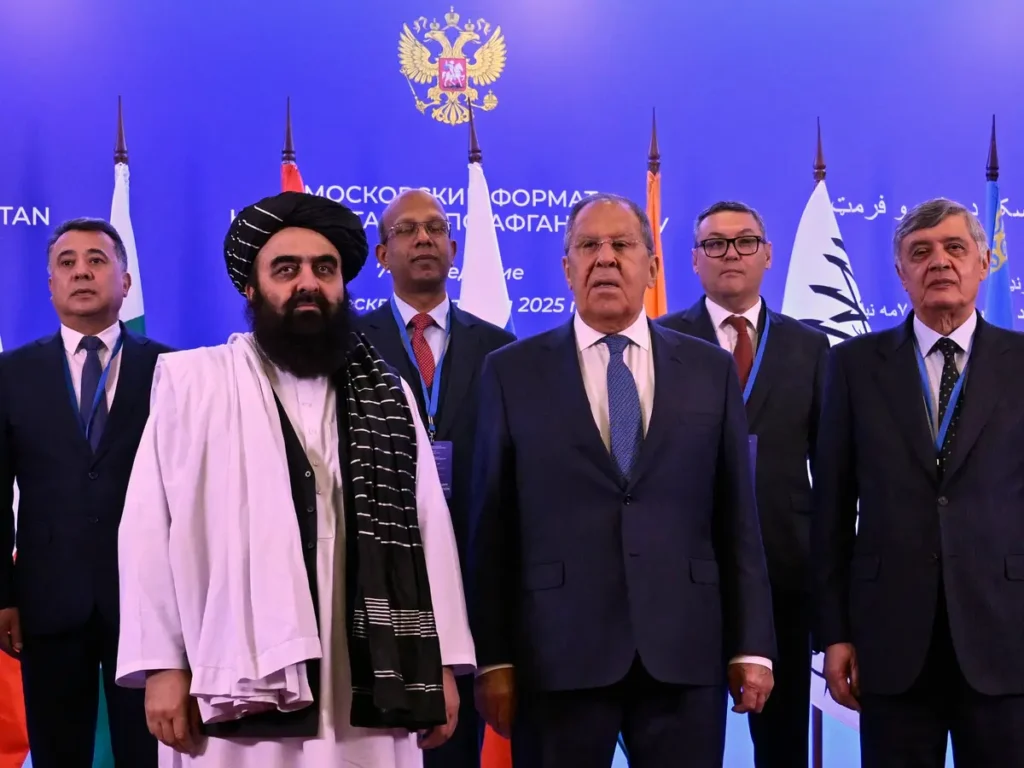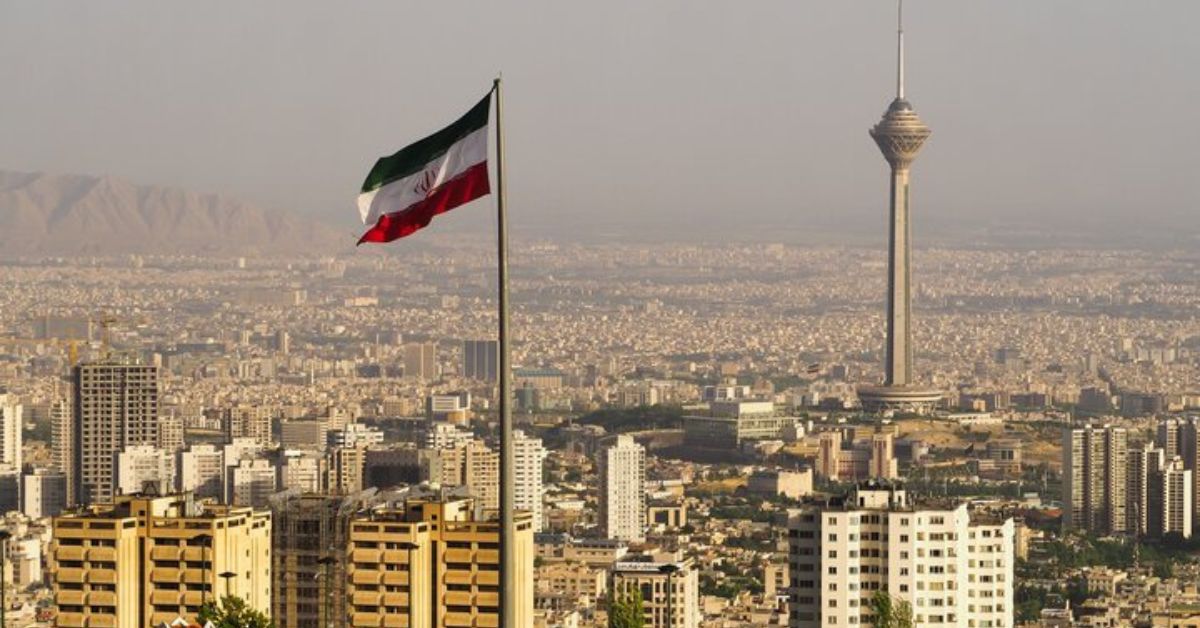
Iran is preparing to host a new round of regional talks on Afghanistan on 16 and 17 December in Tehran, a meeting expected to bring Pakistan, China, Russia and several Central Asian states to the same table.
Tehran to host regional meeting with participation of #Afghanistan’s neighboring countries
— Foreign Ministry, Islamic Republic of Iran 🇮🇷 (@IRIMFA_EN) December 12, 2025
The spokesperson of the Iranian Foreign Ministry, Esmaeil Baqaei, announced in an interview with reporters that preparations are underway for holding a regional meeting in Tehran to… pic.twitter.com/EztNTBdKl3
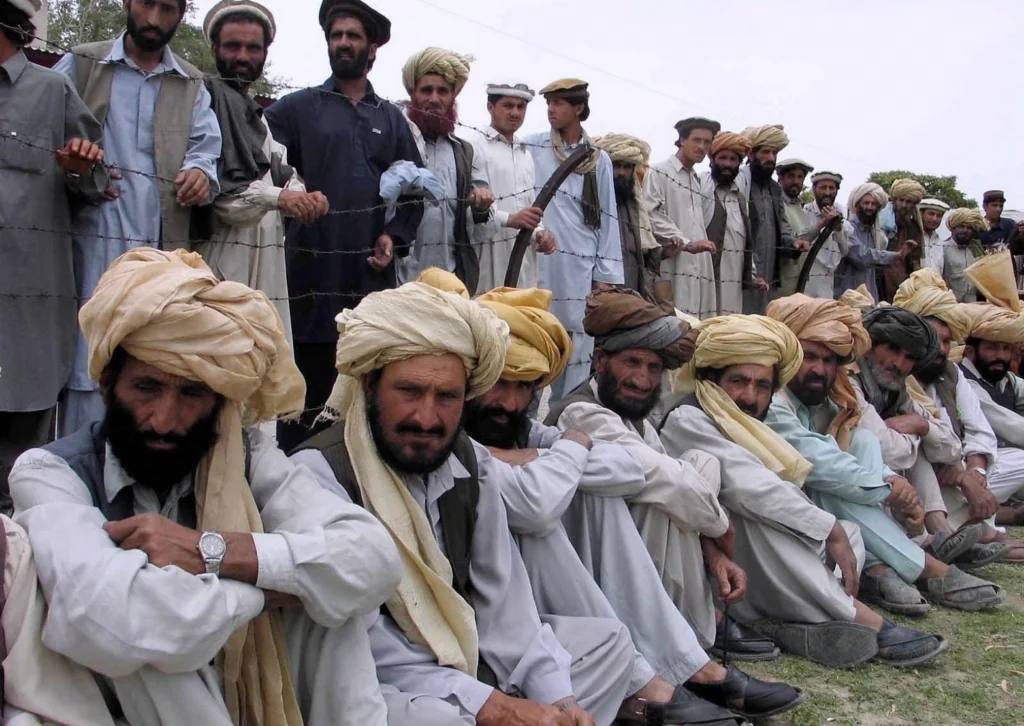
The initiative, reported by several news platforms, including Iranian state-owned media, is being viewed as the most serious diplomatic push yet to ease the growing strain between Islamabad and Kabul.
Pakistan will be represented by its Special Envoy for Afghanistan, Ambassador Muhammad Sadiq.
Tehran positions itself as a regional bridge
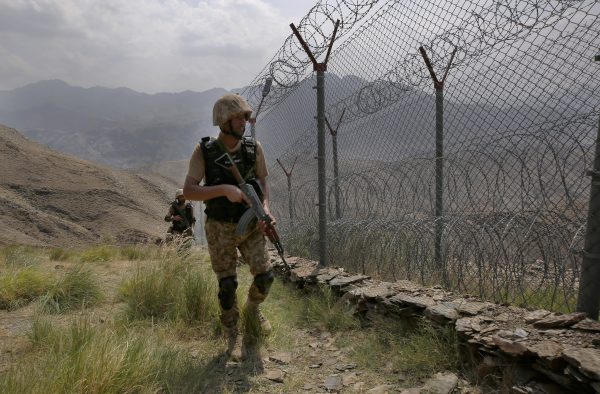
Iran has stepped up mediation efforts in recent months, driven by fears that continued Pakistan–Afghanistan tensions and the spread of terrorist networks will threaten wider regional stability.
During his recent visit to Pakistan, Ali Larijani, Secretary of Iran’s Supreme National Security Council raised the issue directly with Islamabad.
Foreign Ministry spokesperson Esmaeil Baghaei underlined Tehran’s position, saying Iran is “extremely concerned over ongoing conflict between Afghanistan and Pakistan and is ready to contribute to settlement of their differences and deescalation of tension.”
Pakistan has welcomed the initiative, with Foreign Office spokesperson Tahir Hussain Andrabi calling Iran a “brotherly and friendly country” and noting that Islamabad “would not shy away from” constructive mediation.
Rising militant threats drive urgent regional engagement
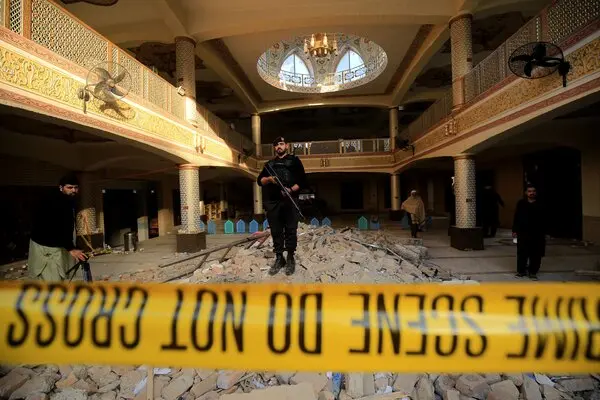
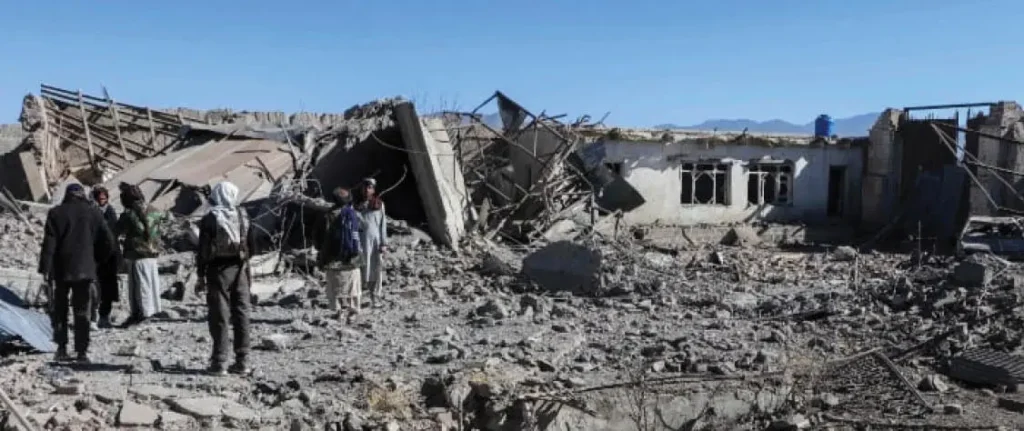
The Tehran talks come amid mounting concerns about militant activity inside Afghanistan.
UN monitoring reports have repeatedly confirmed that TTP fighters continue to enjoy sanctuaries across the border, contributing to rising attacks inside Pakistan.
SIGAR and other watchdog assessments also point to the continued presence of ISKP, Al Qaeda elements and Uyghur militant networks including ETIM, TIP and ETLF operating in northern Afghan provinces.
In recent months, intelligence sources have reported activation of ETIM and ETLF-linked camps in Balkh, Badakhshan, Baghlan and areas around Kabul.
China’s worries intensified after ETLF claimed responsibility for the drone attack on Chinese workers in Tajikistan. These developments have reinforced the need for a multilateral approach, particularly as Western engagement in Afghanistan remains limited.
A shift toward regional ownership of Afghan stability
With Washington reducing its role and declining aid flows to Afghanistan, regional powers are increasingly shaping the conversation on stability.
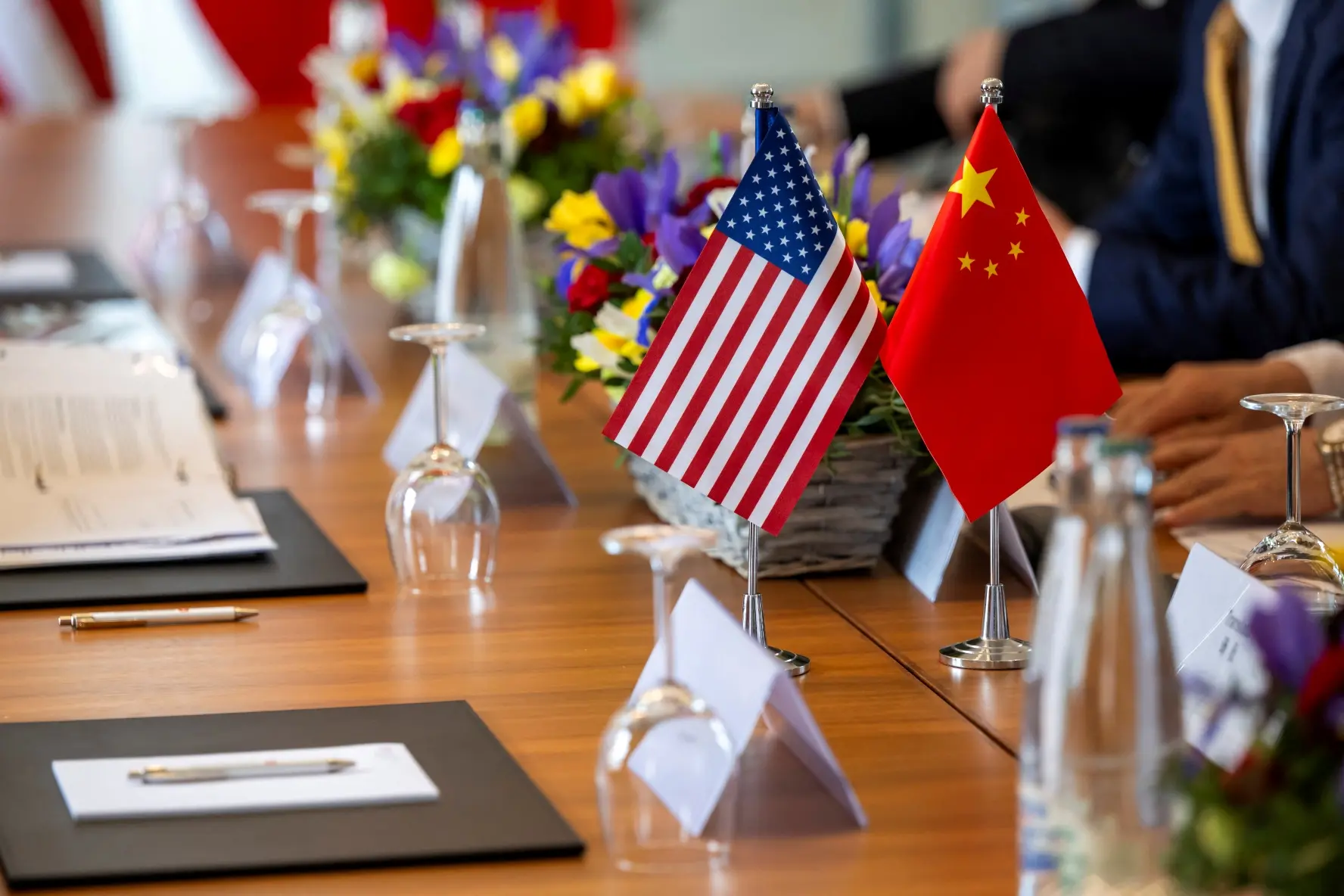
The expected participation of China and Russia in the Tehran talks shows a growing acknowledgment that unresolved Pakistan–Afghanistan tensions and unchecked militant networks threaten the broader region.
Regional states now see collaborative diplomacy as the only viable path to managing Afghanistan’s evolving security landscape.
The Tehran meeting reflects this shift, signalling that countries surrounding Afghanistan are moving toward a shared security architecture grounded in regional ownership and coordinated counterterror action.
Read more: Pakistan and China Hold Key Security Talks as Afghan-Based Militants Expand Regional Threats