Skip to content
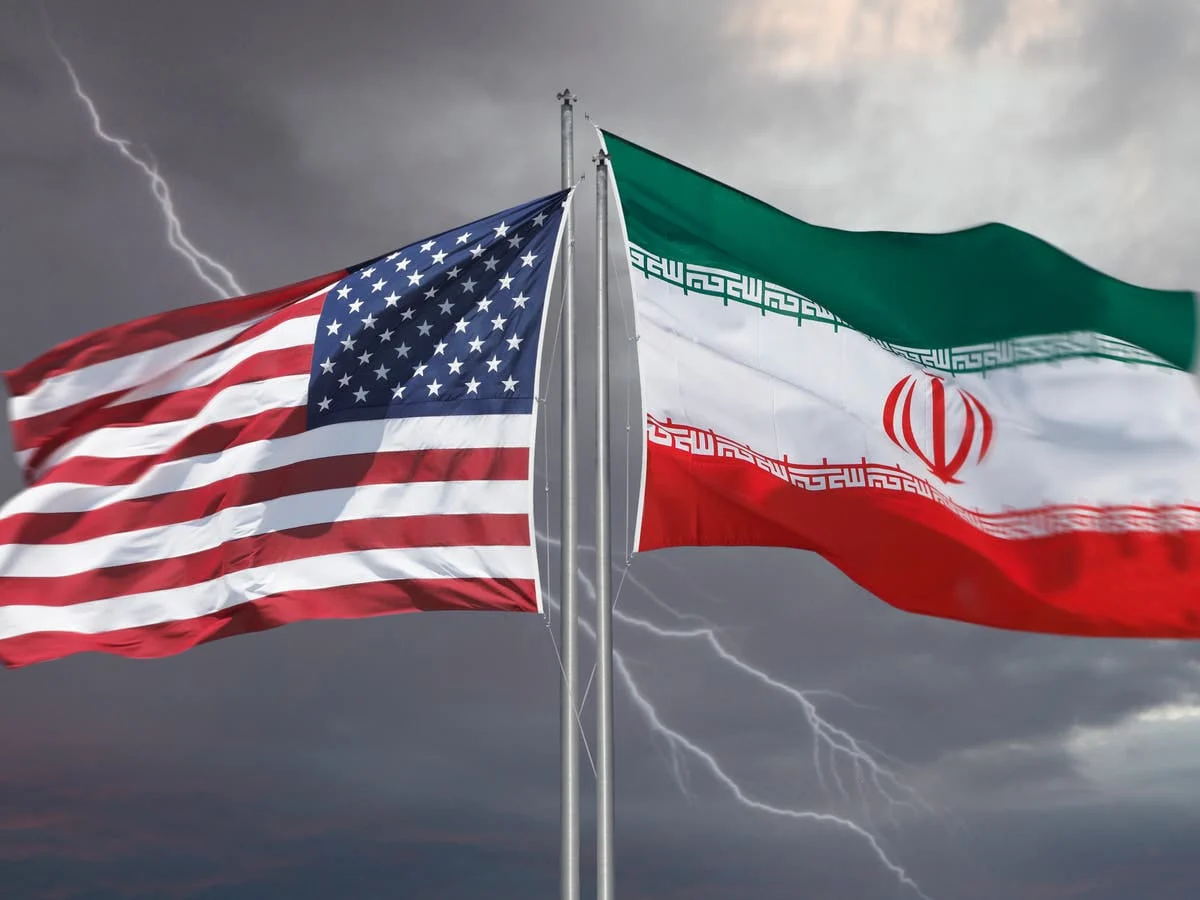
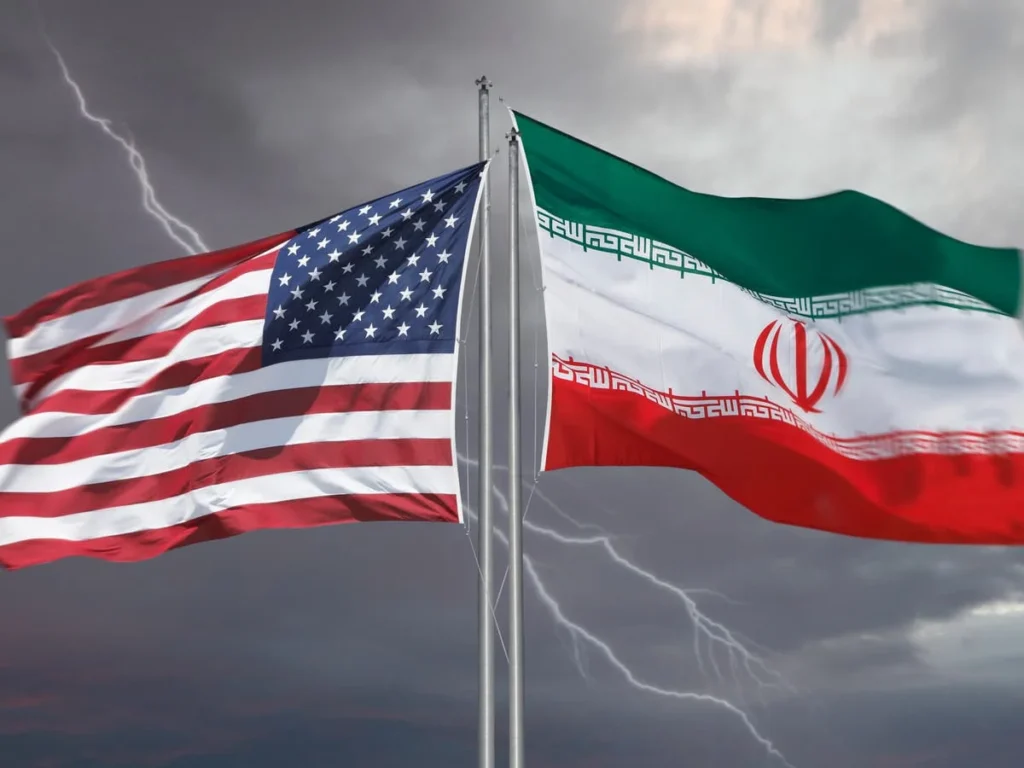
Iran has made it clear that it will not negotiate an end to the ongoing war unless all its demands are fully met. According to a senior Iranian political-security official, the country will decide on the timing and conditions for a ceasefire. The official emphasized, “Iran will end the war when it decides it should end, not when Trump envisions its conclusion.”
The official said Iran is prepared to continue its military operations and inflict heavy blows until its objectives are achieved. Tehran has outlined five key conditions for agreeing to a ceasefire. These include a complete stop to what Iran describes as aggression and assassinations, guarantees to prevent the war from resuming, and the payment of damages and reparations.
🔴 Spokesperson for the Central Headquarters of Khatam al-Anbiya:
— Press TV 🔻 (@PressTV) March 25, 2026
🔺 The strategic power you boasted about has turned into a strategic defeat.
🔺 The world's superpower claimant would have escaped the predicament by now if it could. pic.twitter.com/E7dj2jNbvO
In addition, Iran demands a full end to hostilities across all fronts involving allied groups in the region. Recognition of Iran’s sovereignty over the Strait of Hormuz is also essential for any agreement, the official said. These demands build on positions presented during earlier Geneva talks, held shortly before the latest escalation began on February 28.
The Iranian official stressed that no negotiations will proceed unless all conditions are accepted. “Defensive operations will continue until our conditions are met,” the statement added, reflecting Tehran’s firm stance against external pressure.
US Diplomacy and Regional Mediation
The United States recently sent Iran a 15-point plan aimed at ending the conflict. The plan was delivered through Pakistan, whose army chief has emerged as a key intermediary between Washington and Tehran. Analysts, however, say Iran sees the US outreach as disconnected from the realities on the ground and potentially escalating tensions further.
Iran’s insistence on its own terms highlights the challenges facing diplomatic efforts in the region. Experts warn that without compromise, the war may continue, affecting stability and security across the Middle East. Observers also note that failure to meet Tehran’s demands could prolong economic and humanitarian crises in the region.
In the meantime, both Washington and Tehran remain in contact through intermediaries, keeping the door open for dialogue. As the conflict unfolds, global attention is focused on whether diplomatic channels can achieve a ceasefire or if military operations will intensify further.