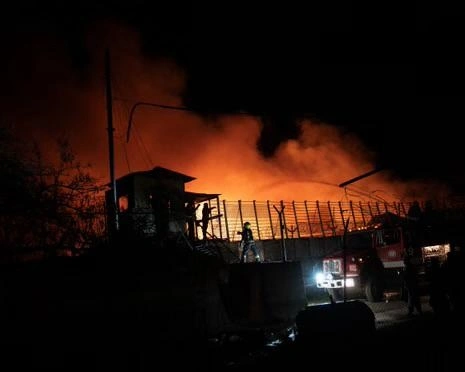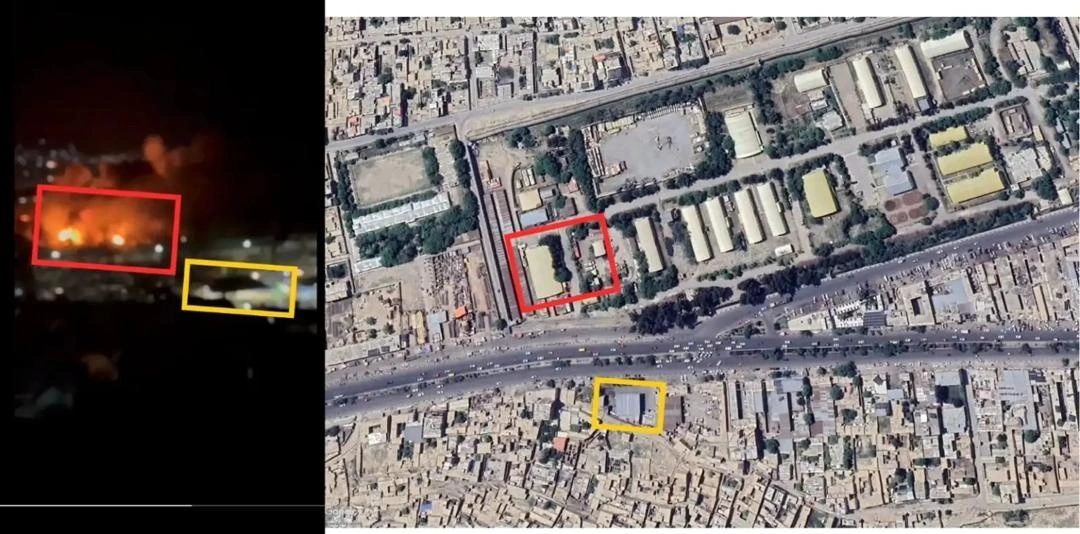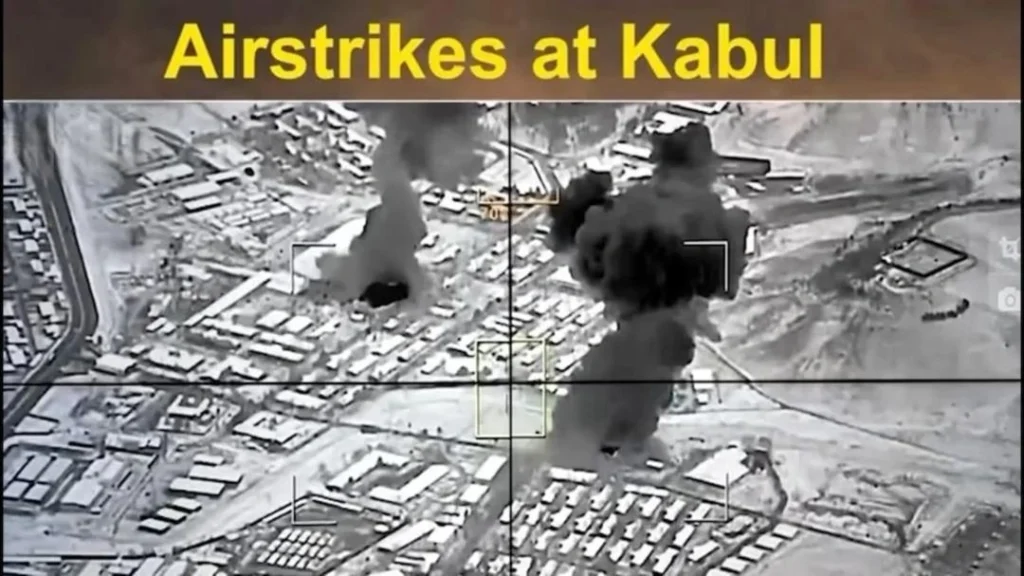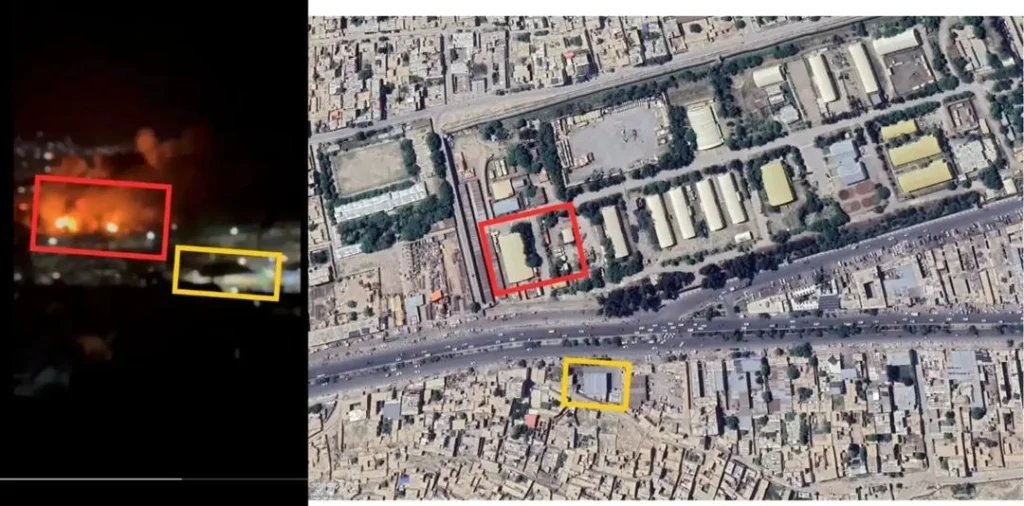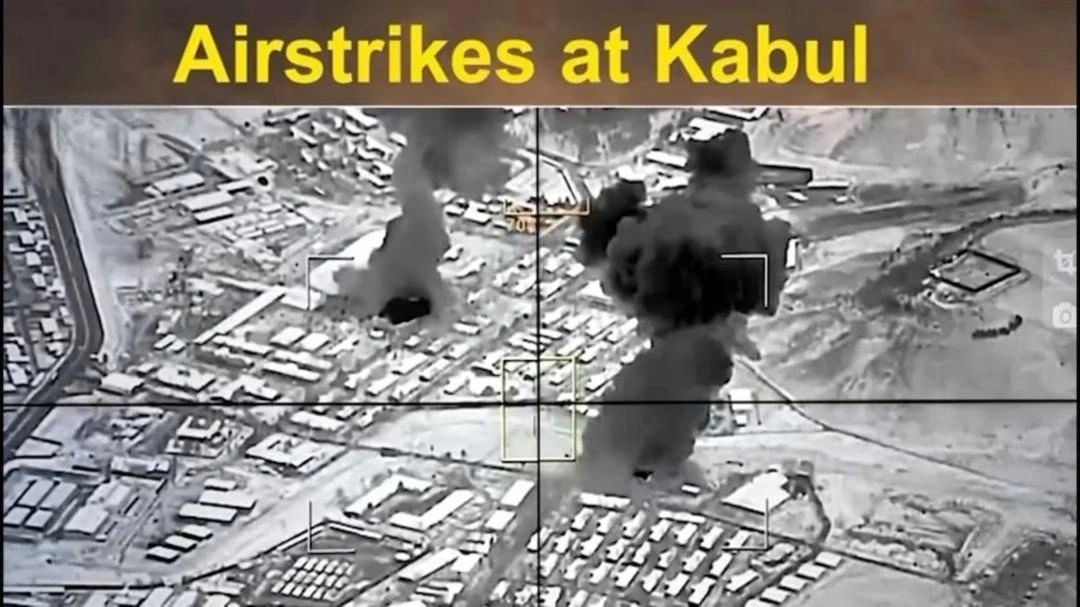
Tensions between Pakistan and the Taliban authorities have escalated following conflicting accounts over a recent airstrike in Kabul. The strike, which targeted sites associated with terrorist activities, has been framed by Taliban spokesmen as an attack on civilian infrastructure, sparking a heated debate over accountability and regional security.
The controversy began when Hamdullah Fitrat alleged that Pakistan had hit the Omid addiction treatment hospital in Kabul, claiming 400 people were killed and 250 injured, with large-scale destruction of the facility. The post quickly circulated online, portraying the incident as a humanitarian catastrophe.
Pakistani officials, however, rejected these claims, stating that the allegations follow a familiar Taliban narrative: militants embed themselves within civilian sites, which are later misrepresented as hospitals or shelters to generate sympathy and deflect from terrorist activity. According to intelligence sources, the airstrikes were targeted, precise, and aimed exclusively at terrorist hideouts, logistics hubs, and operational infrastructure responsible for cross-border attacks.
The dispute highlights an ongoing challenge: the Taliban’s failure to dismantle terror networks operating from Afghan territory despite commitments under the Doha Agreement. Reports from the United Nations Security Council Monitoring Team have repeatedly noted that Afghanistan provides a permissive environment for groups such as Tehrik-i-Taliban Pakistan, Al-Qaeda, and other regional outfits. Over 600 cross-border attacks in 2025 alone have been traced to militants operating from Afghan soil, causing significant casualties and economic damage in Pakistan.
Security analysts stress that Taliban propaganda often conflates civilian casualties with militant losses to obscure the realities of cross-border terrorism. Many individuals present at such sites are linked to terrorist operations, either as facilitators or support personnel, and the Taliban’s narrative of victimhood serves to shield these networks from accountability.
The incident underscores Pakistan’s continued focus on lawful, proportionate, and intelligence-driven counterterrorism measures. While civilian safety remains a priority, officials argue that dismantling terrorist infrastructure is essential to prevent further attacks and to hold accountable those responsible for perpetuating violence.
As the region grapples with rising tensions, the airstrike serves as a stark reminder of the human and strategic costs of Afghanistan’s current governance under the Taliban, highlighting the urgent need for meaningful action against entrenched militant networks.
Read more :Allegations of Hospital Strike in Kabul: Pakistani Air Operation or Taliban Pre-Planned Action?