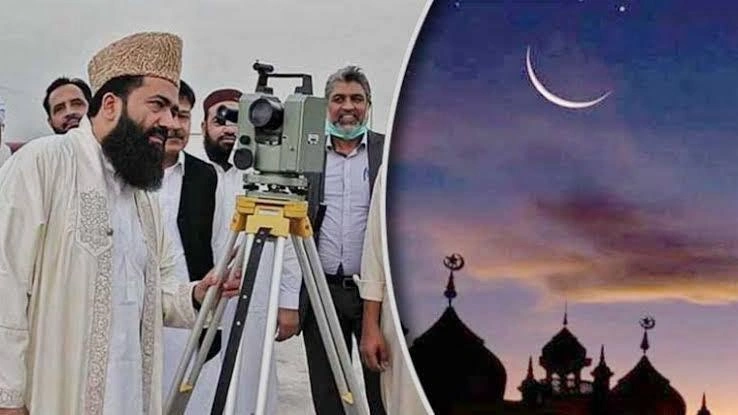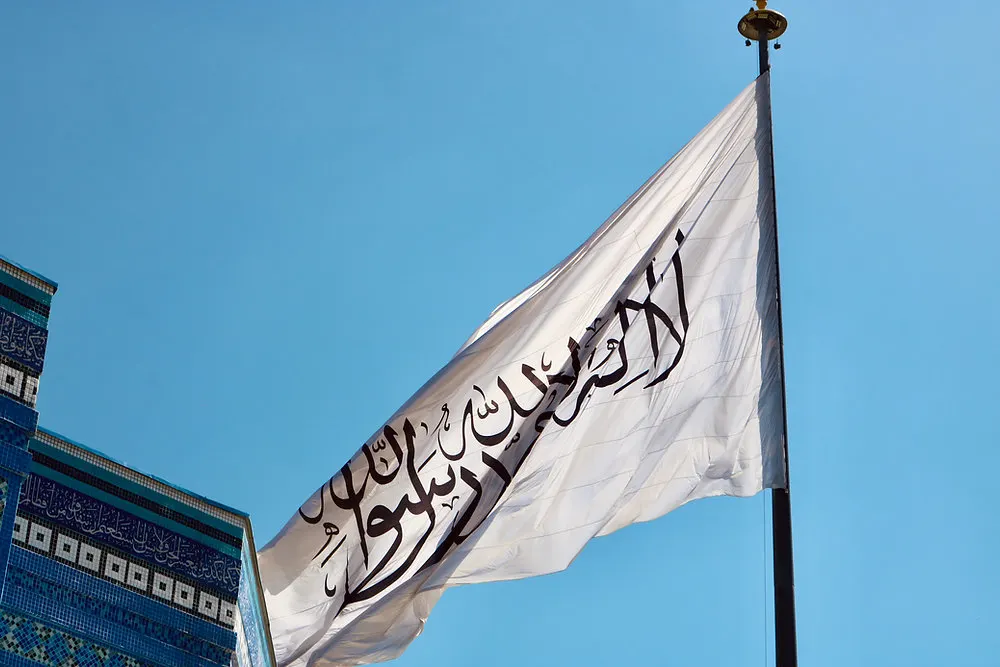
Kabul’s leadership has once again sent conflicting signals to the region. Zabihullah Mujahid, speaking on Tolo TV, emphasized retaliation and resistance after recent strikes targeting militants. Meanwhile, Pakistan announced a temporary pause in operations during Eid, a gesture tied to humanitarian and religious considerations.
The contrast is stark. While Kabul calls for confrontation, Pakistan is showing restraint. The Eid ceasefire, arranged with support from Saudi Arabia, Qatar, and Turkiye, leaves room for limited diplomacy. It is clear that Pakistan’s pause is not a retreat but a measured step. The government expects that Afghan soil will not be used for cross-border attacks or militant activity.
Mujahid’s statements attempt to separate the Pakistani state from its people, yet the overall tone encourages confrontation. This kind of messaging risks widening the gap between the two sides and undermines the possibility of dialogue.
False Claims and Dangerous Narratives
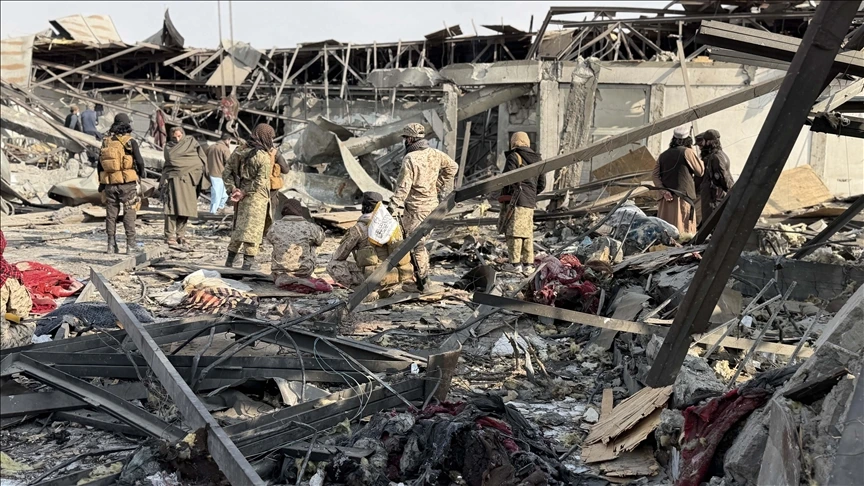
Kabul’s leadership continues to exaggerate civilian casualties, claiming more than 400 people were affected. Independent verification of these numbers remains absent. Videos and reports on the ground do not support the high casualty figures. This narrative appears designed to gain international sympathy while masking the real issue: militant activities based in Afghanistan.
Pakistan’s security approach remains firm. The strikes were targeted at militant hideouts, not civilian areas. The Afghan government’s framing of the attacks shows a consistent pattern of deflecting responsibility for extremist operations. By portraying Pakistan as the aggressor, Kabul attempts to mislead the international community and justify its inaction against militants.
External actors and conspiracy narratives are often cited by Kabul to strengthen their claims. However, these claims only highlight the Afghan government’s unwillingness to address cross-border terrorism responsibly. Pakistan has repeatedly made clear that any attacks originating from Afghan territory will be met with decisive action.
The coming days will be critical. If Pakistan’s ceasefire holds and no cross-border attacks occur, there may be a small window for engagement. But if Kabul continues its provocative messaging, escalation is likely. The Afghan government must choose accountability over false narratives, or risk further conflict in the region.