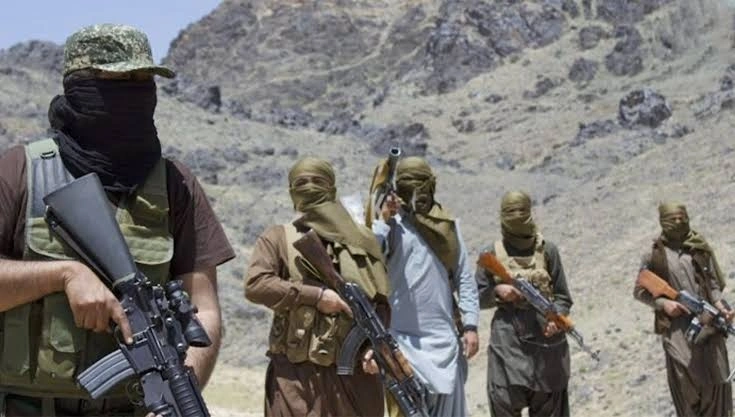
Islamabad – Following the arrest of an Islamic State (ISIS) member near the frontier, Taliban spokesperson Zabihullah Mujahid claimed the incident proves that the group maintains active bases in Pakistan. However, a deep dive into verified arrests and recent United Nations findings suggests a far more complex reality.
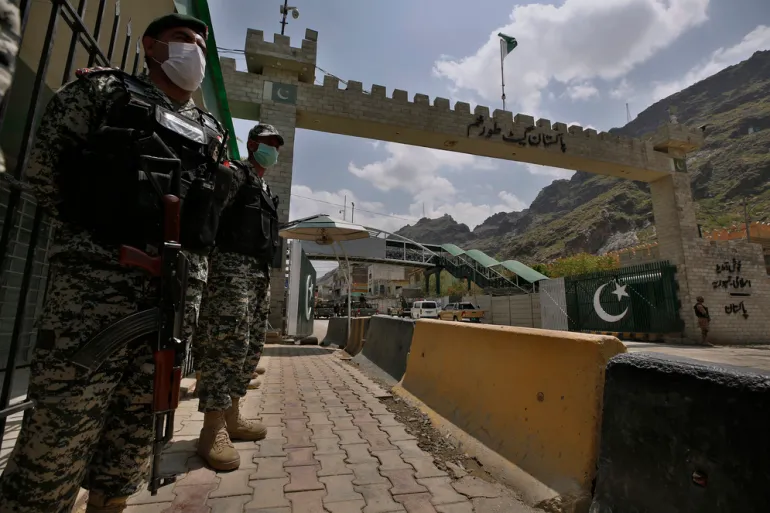
As Kabul has been pointing fingers outwards, the information shows that Border Security Operations in Pakistan have actually been destroying the most crucial leadership and propaganda organs of the group.
The Conflict Between Rhetoric and Operational Facts
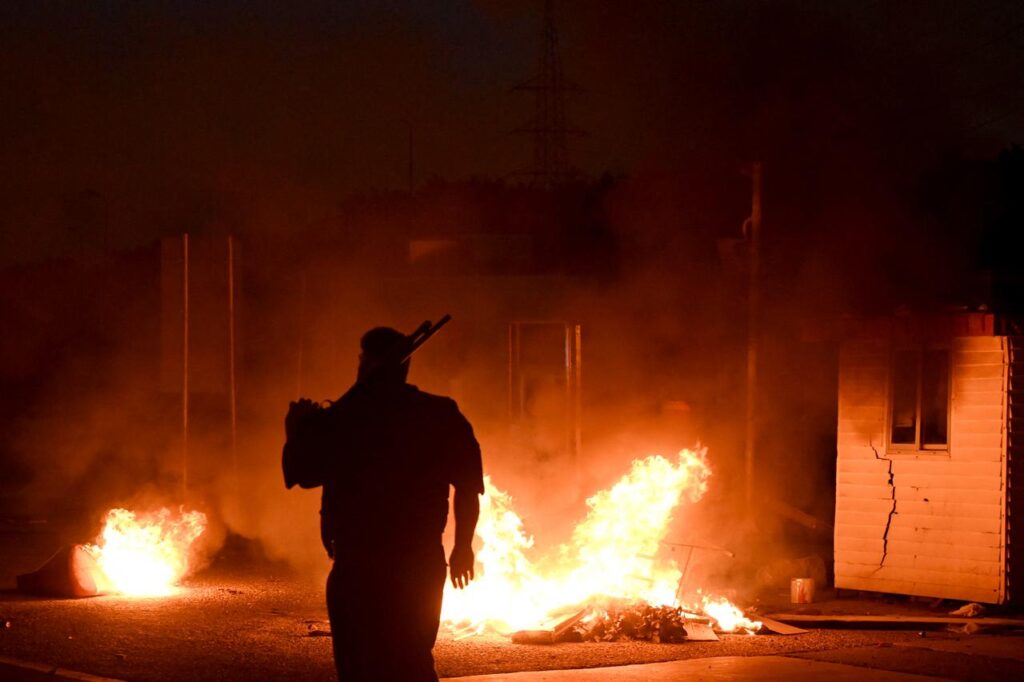
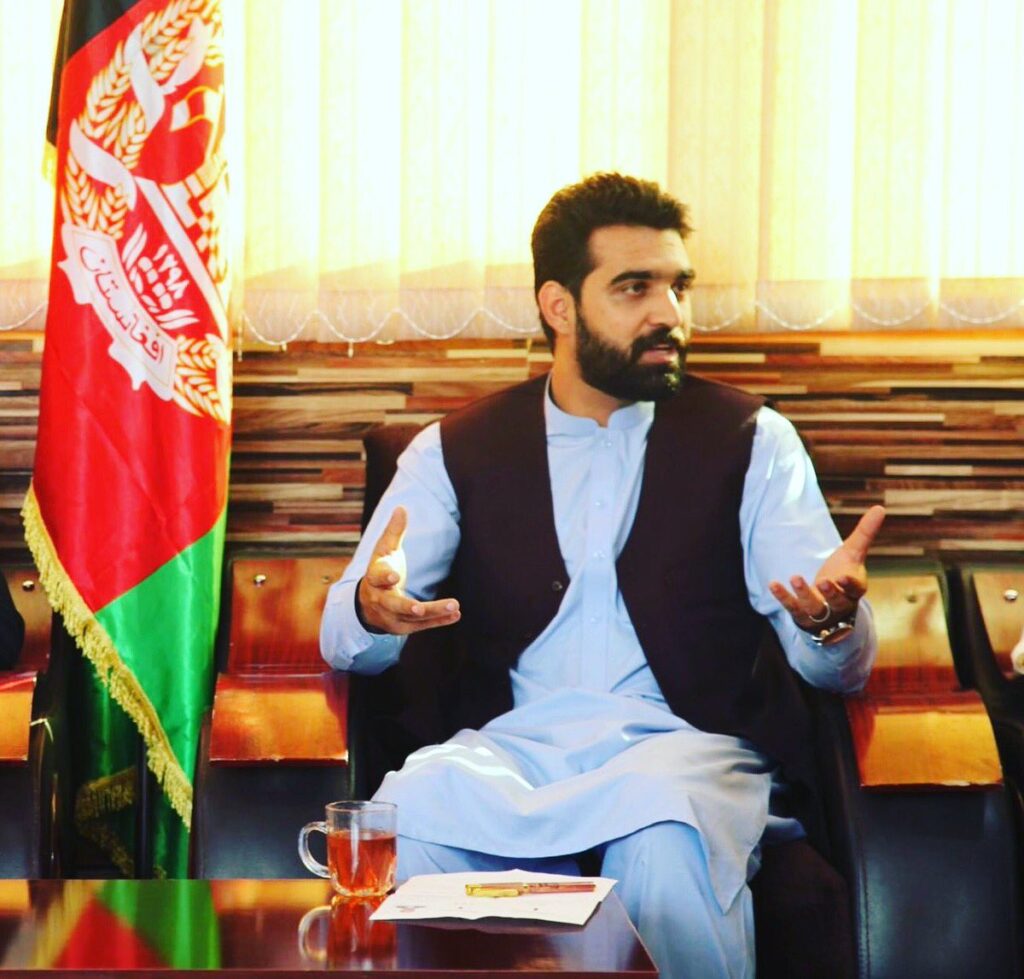
Zabihullah Mujahid recently accused that some of the terrorist attacks in Afghanistan were actually planned and coordinated across the border.
“All ISIS nests must be destroyed,” Mujahid stated, alleging that many recent attacks in Afghanistan were managed from across the Durand Line.
His comments to BBC Pashto emphasized that “those who want to exploit this phenomenon for their own purposes should reconsider their position.”
Operational Facts vs. Political Claims
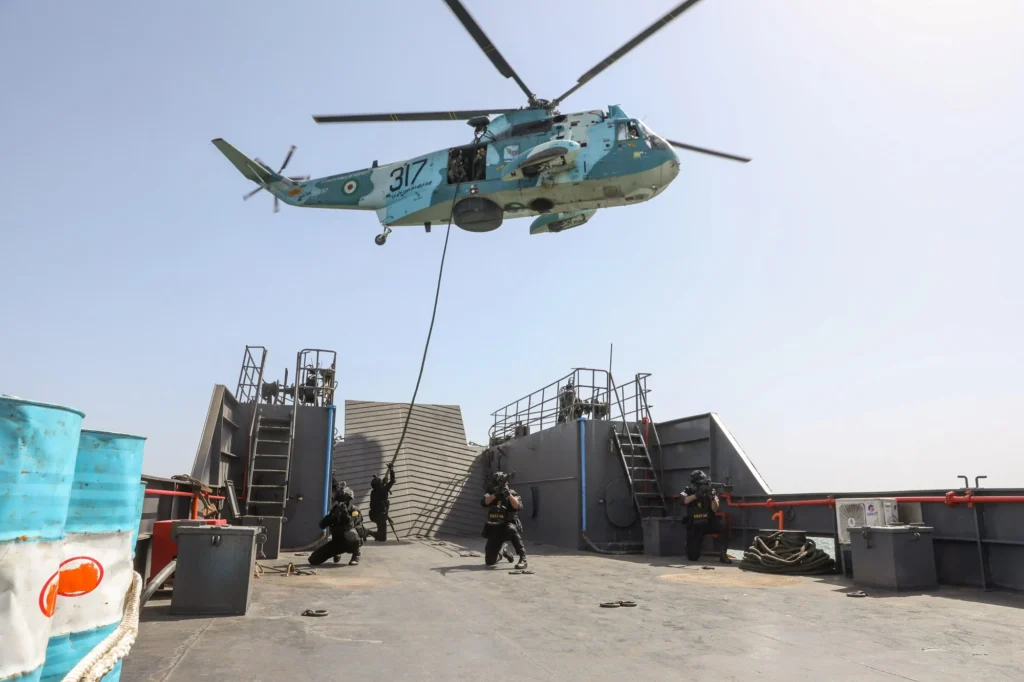
Assuming that the group is indeed acting with impunity in Pakistan, Islamabad would not be arresting some of the most senior members of the group with the help of intensive Border Security Operations.
The key example is the arrest of Sultan Aziz Azzam, the head of ISIS-K propagandist and the founder of the Al-Azaim Foundation.
Intelligence sources have confirmed to Pakistan TV that Pakistan has arrested #ISKP media chief Sultan Aziz Azzam in May 2025.
— Pakistan TV (@PakTVGlobal) December 18, 2025
Sultan Aziz Azzam, born 1978 in Nangarhar, #Afghanistan, a graduate of the University of Nangarhar and head of ISKP’s Al Azaim media channel, was… pic.twitter.com/c8RRqTpt6W
His arrest by the Pakistani intelligence is a direct contradiction of the claim of “sanctuary” by Zabiullah Mujahid. A collapse in the media and recruitment infrastructure of a group on one side of the border is a strong indicator of an active front on counterterrorism.
Moreover, a joint operation led to the capture of Ozgur Altun, also known as Abu Yasir al-Turki, a senior ISIS-K media and logistics figure involved in transferring operatives from Europe and Central Asia into the region.
Breaking:
— HTN World (@htnworld) June 1, 2025
A top-level ISIS recruiter, Özgür Altun, alias Abu Yasir Al-Turki, was captured at the Pakistan-Afghanistan border while trying to cross into Pakistan, in a joint operation by Turkey’s MIT & Pakistan’s ISI.
Altun, listed in the orange category of wanted terrorists. pic.twitter.com/AH7YRxThns
His detention disrupted facilitation pipelines that are incompatible with allegations of tolerance or protection.
Also See: Zabihullah’s ISIS-K Claims Clash With Pakistan’s Arrests and UN Findings
Evidence from Recent United Nations Reports
In its sixteenth report (S/2025/796), the United Nations Analytical Support and Sanctions Monitoring Team gives a sober evaluation that cracks down on the rhetoric of Kabul.
"While the de facto authorities [Taliban] have suppressed, although not eliminated, the threat from ISIL-K, the group continues to pose serious threats within Afghanistan, regionally and beyond."
As the report points out, the group attempts to put on a show of strength, but its physical presence is confined to the eastern provinces of Afghanistan. After the old security architecture collapsed in August 2021, it left gaps that enabled the group to grow.
Just In!!
— HTN World (@htnworld) December 21, 2025
UN reveals Afghanistan under Tali*ban hosts 20+ ter*ror groups; T*TP carried out 600+ atta*cks in Pakistan in 2025. IS*KP, Al-Qa*eda active, Tali*ban denials “not credible.” Surface stability masks deep regional fragility; Pakistan faces direct fallout. pic.twitter.com/Cyyadn55ez
The report highlights that ISIS-K’s territorial presence and recruitment hubs have remained concentrated inside Afghanistan since August 2021.
Furthermore, the UN notes that the Tehrik-e-Taliban Pakistan (TTP) continues to conduct high-profile attacks in Pakistan from Afghan soil, further complicating the regional security landscape.
The Human Cost Amidst the Conflict
Beyond the high-level accusations, the human cost of instability remains high.
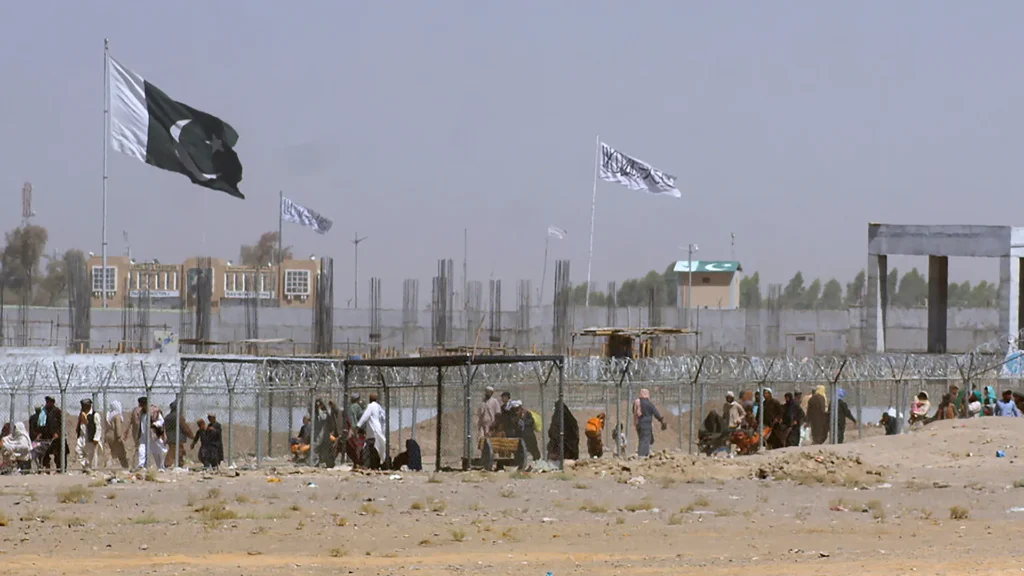
Security officials in the Chagai district in Balochistan recently detained 179 Afghan nationals who entered the country using the less-popular routes without the requisite legal documents during normal.
According to security officials in Balochistan, 179 Afghan nationals were arrested during intelligence-based operations in the Nokundi and Taftan areas of Chagai district after entering Pakistan through a less frequently used route without legal documents.
— TOLOnews English (@TOLONewsEnglish) December 24, 2025
Meanwhile, last week,… pic.twitter.com/pNXq3IqxS5
Tragedy struck the same area only days ago when a pickup truck carrying 21 Afghan migrants collided with an oil tanker in Nokundi. The accident killed 11 people and injured nine others.
Just In!!
— HTN World (@htnworld) December 22, 2025
At least 11 Afghans died and nine were inju*red after a pickup col*lided with an oil tanker near Nokundi, Balochistan. Officials say the victims were attempting to migrate illeg*ally to Europe via Iran. Investigations are underway. pic.twitter.com/pC5ou8a6wk
These individuals were reportedly trying to reach Europe via Iran to escape the growing instability. These incidents serve as a grim reminder that when regional security falters, it is often the most vulnerable who pay the price.
Establishing a Path to Stability
Regional stability needs not accusations, but transparency.
Pakistan’s counter-terror record is currently backed by documented arrests and shared intelligence, whereas Mujahid’s assertions remain largely political.
For the sake of regional security, the focus must remain on dismantling the recruitment, training, and movement pipelines that allow ISIS-K to persist in the shadows of the Afghan mountains.