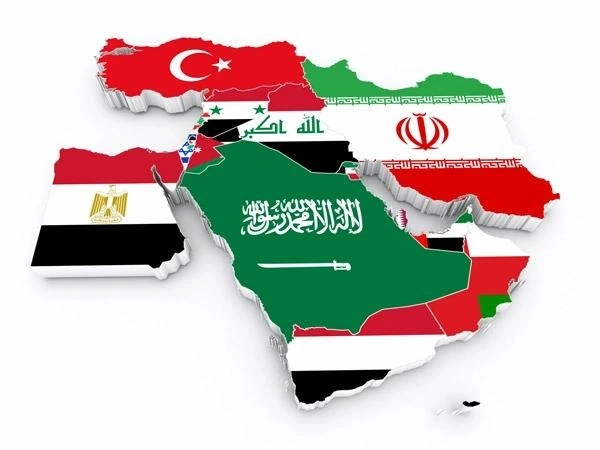
For centuries, the Middle East has been regarded as a land defined by its vast oil wealth. On the global map, the region has remained strategically important largely because enormous reserves of “black gold” lie beneath its soil. Yet at this turning point in history, another reality is emerging—one that could prove far more devastating for the Middle East. The Gulf countries possess immense oil resources, but they lack water. It now appears that global powers may be preparing to exploit this vulnerability. It seems that after wars over oil, the era of wars over water may already be beginning.
A look at recent events in 2026 paints a troubling picture. The United States and Israel have justified attacks on Iran, as they have done in the past, by citing concerns over Iran’s nuclear program. However, if nuclear weapons were truly the sole issue, the strikes would have targeted only nuclear facilities. Instead, the scope of attacks has expanded beyond nuclear sites to include oil depots, ports, and even critical water infrastructure. An attack on the desalination plant on Qeshm Island reportedly disrupted water supplies to thirty villages. This was not an ordinary incident; it may represent the opening of a new chapter—one in which water itself becomes a weapon of war.
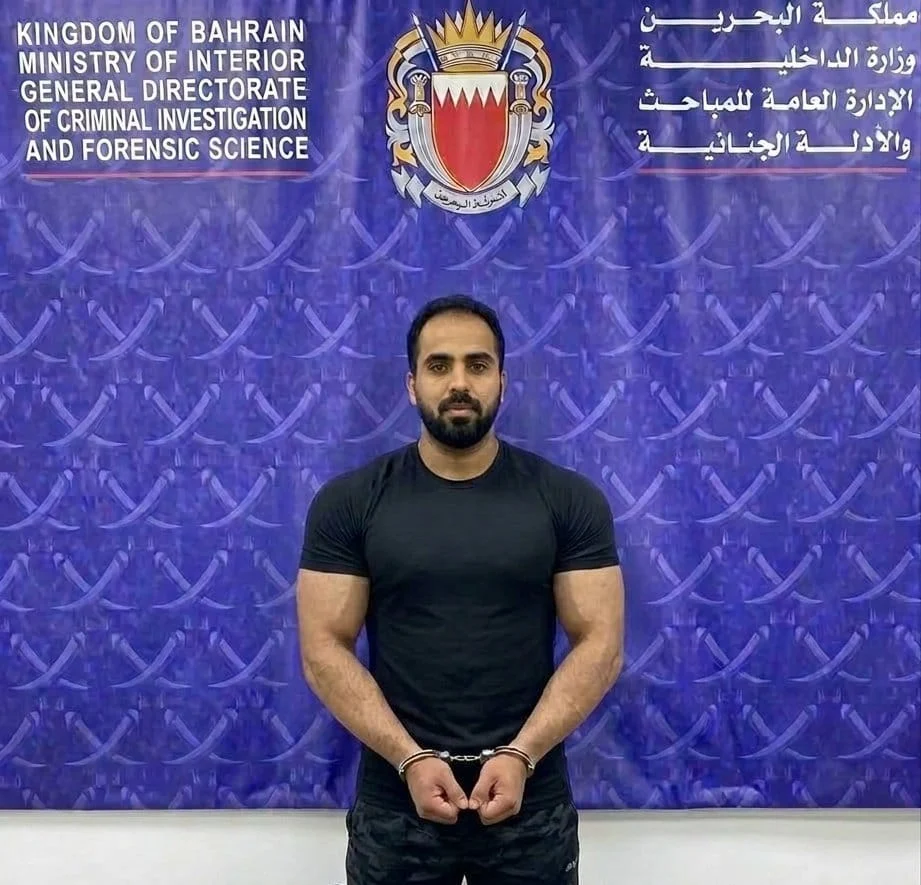
Iran has also responded in kind. A drone strike on a desalination plant in Bahrain illustrates how, once war begins, principles and ethics are often the first casualties. A dangerous pattern is emerging in which water facilities are increasingly treated as military targets.
The Hidden Vulnerability of the Gulf
The reality of the Gulf region is stark. Nature has blessed the region with vast oil and gas reserves but deprived it of fresh water. Gulf states rely heavily on desalination to meet their water needs. More than 400 desalination plants operate across the region, producing nearly 40 percent of the world’s desalinated fresh water. Countries such as Bahrain, Kuwait, and Qatar depend almost entirely on this system. In Kuwait, for example, about 90 percent of drinking water comes from desalinated seawater.
If these plants were to stop operating even for a few days, major cities could quickly face severe water shortages, turning urban centers into landscapes of thirst.
Another critical factor cannot be ignored: the Middle East is among the regions with the lowest levels of natural freshwater resources in the world. Climate change has further intensified the crisis. Experts warn that if current trends continue, water scarcity could reduce the region’s economy by as much as 14 percent in the coming years. In other words, water scarcity is not only a humanitarian issue—it also threatens economic stability.
The Strait of Hormuz and a Thirsty Region
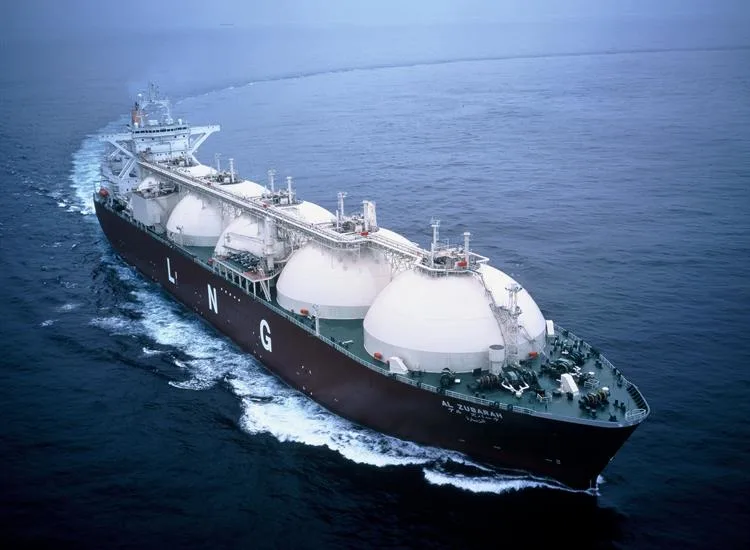
Within this broader context, the Strait of Hormuz holds immense strategic importance. About 25 percent of the world’s oil shipments pass through this narrow waterway, with more than 16 million barrels transported daily. If conflict disrupts this route, the consequences extend far beyond oil. Food supplies, humanitarian aid, and even water deliveries could be severely affected.
Water reserves in Gulf countries are extremely limited. The United Arab Emirates, for instance, reportedly holds reserves sufficient for only about 45 days, while smaller states may have even less. If desalination plants continue to be damaged and the Strait of Hormuz remains closed, the consequences could be catastrophic. Water supplies could run out within days. Hospitals might shut down, diseases could spread, markets could descend into chaos, and millions might be forced to migrate. History has rarely witnessed a disaster in which thirst becomes such a powerful force of destruction.
The Strategic Calculations of the United States and Israel
At this point, critics argue that the broader strategic calculations of the United States and Israel become clearer. The debate over nuclear weapons may serve as a cover for a deeper struggle over regional power dynamics. According to this view, Washington and Tel Aviv recognize that if Muslim countries become entangled in internal conflicts, the region could remain unstable for decades.
Under such a scenario, attacks on Iran could provoke retaliation, Gulf states might be drawn into the confrontation, and the Muslim world could end up divided against itself. This outcome, some analysts suggest, would benefit external powers that prefer a fragmented and unstable Middle East.
The History of Water as a Weapon
History provides examples of water being used as a weapon during conflicts. One often-cited example is the events of Karbala in early Islamic history, where access to water became a decisive factor. In more recent decades, water infrastructure has been targeted in various conflicts. In Palestinian territories, there have been numerous reported attacks on water systems. In Gaza, pipelines and clean water facilities have suffered extensive damage. In Syria and Iraq, militant groups such as ISIS at times used dams and water resources to create floods or drought conditions as tools of warfare.
These cases illustrate that using water as a weapon is not entirely new, but the scale and potential consequences today may be far greater.
The Silence of the Muslim World
Another dimension of the issue is the perceived lack of a unified response among Muslim-majority countries. The Organization of Islamic Cooperation has largely called for restraint and dialogue. Countries such as Saudi Arabia and Türkiye have issued cautious statements, but a clear collective strategy has yet to emerge.
Critics argue that this division benefits external powers, allowing geopolitical rivalries within the region to deepen. In their view, when Muslim countries are already divided, outside actors have less need to exert direct pressure.
A Grim Possible Outcome
This conflict, some observers warn, is not merely a war of missiles and drones. It is increasingly becoming a war over resources. After oil, water could become the next battlefield.
If these dynamics continue unchecked, Gulf cities could face a bleak future. Hospitals might be filled not only with the wounded but also with people suffering from dehydration. Markets might see disputes not over goods but over bottles of water.
In such a conflict, bullets may be fewer, but graves could be far more numerous.
The Muslim world today consists of 57 states and represents roughly 26 percent of the global population. Yet critics argue that despite these numbers, the region often struggles to protect its resources, territory, and future through collective action.
The central question, therefore, is not merely what the next stage of this conflict will be.
The deeper question is whether the Muslim world will awaken from what some describe as political complacency and how such an awakening might occur.
Read more :Pakistan Chooses Economic Stability Over Short-Term Fuel Relief