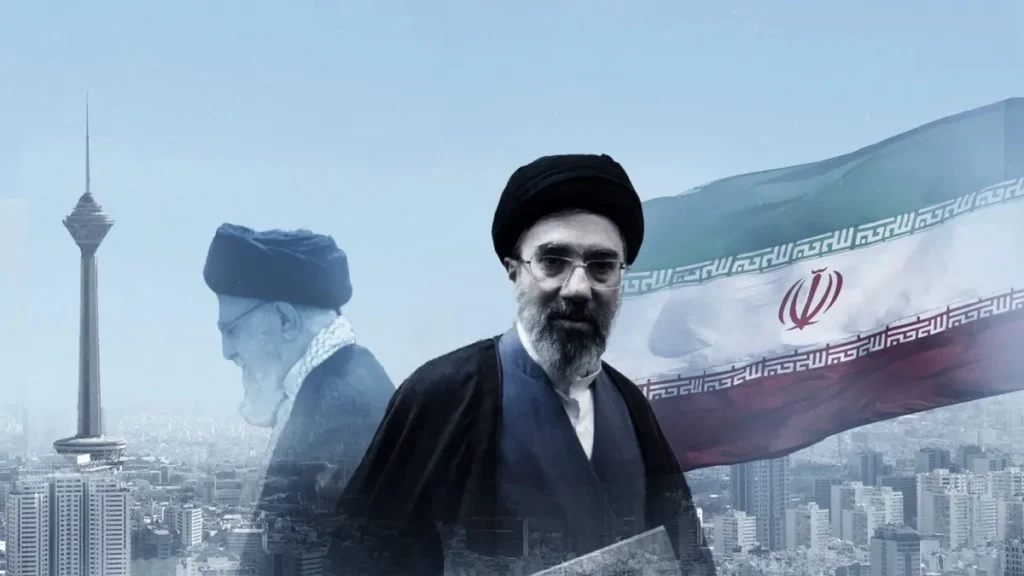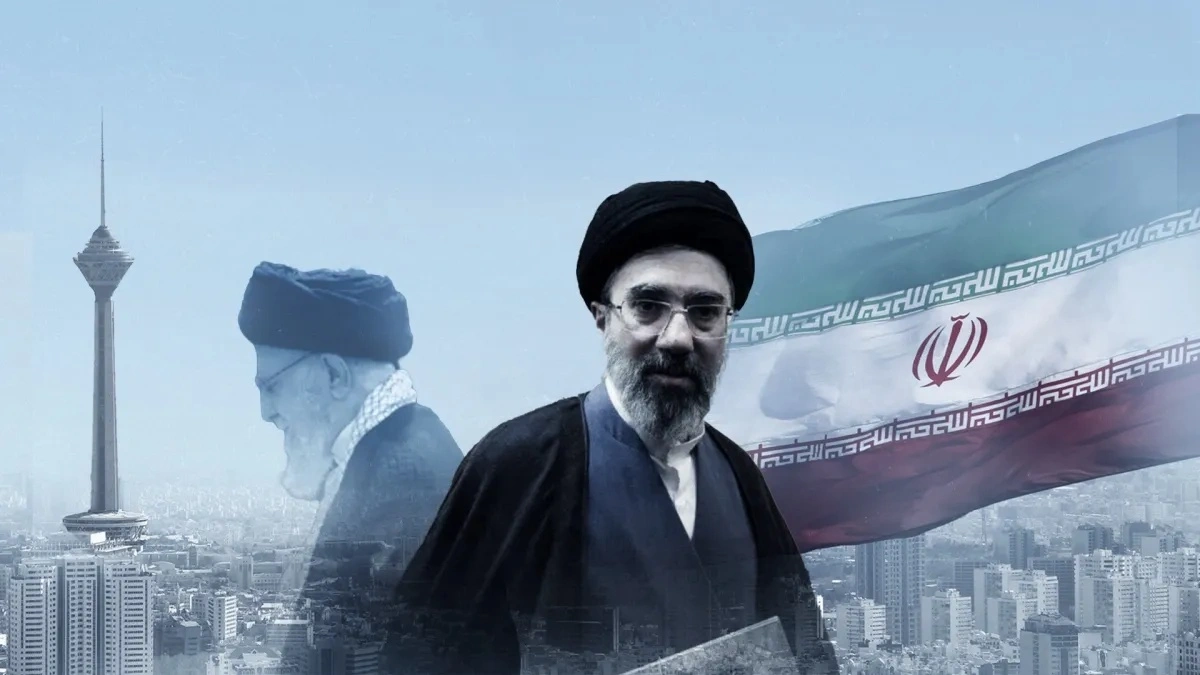
Iran’s Assembly of Experts has appointed Mojtaba Khamenei as the new Supreme Leader of the Islamic Republic of Iran, one week after the reported death of Ali Khamenei.
In a statement read on state television, officials said that despite intense wartime conditions, enemy threats, and attacks on the Assembly’s offices, the leadership selection process was completed without delay.
The decision comes at a time when Iran is facing one of the most serious crises in its history due to the ongoing conflict with the United States and Israel.
Leadership Selection Amid War
The Assembly of Experts, an 88-member council responsible for choosing Iran’s Supreme Leader, reportedly completed the selection process despite heavy attacks and bombardment on its secretariat offices.
Soon after the appointment, Iran’s powerful Islamic Revolutionary Guard Corps (IRGC) and the country’s armed forces pledged loyalty and support to Mojtaba Khamenei’s leadership.
Secretary of Iran’s Supreme National Security Council Ali Larijani stated that Iran’s enemies had expected a political crisis following Ali Khamenei’s death, but the swift appointment of a new leader dispelled that perception.
Reaction from the United States and Israel
U.S. President Donald Trump reacted strongly to the appointment, saying that Mojtaba Khamenei becoming Iran’s Supreme Leader would be “unacceptable.”
In interviews with various American media outlets, Trump even suggested that the United States should have a role in the selection of Iran’s new leader. Iranian officials firmly rejected these remarks, stating that the decision about Iran’s leadership belongs solely to the Iranian people and their institutions.
Meanwhile, the Israel Defense Forces had earlier warned that any successor to Ali Khamenei could also become a target. Observers believe Mojtaba Khamenei’s appointment sends a message of resistance to both Washington and Tel Aviv.
Who Is Mojtaba Khamenei?
Mojtaba Khamenei was born on 8 September 1969 in Mashhad. He is the second of six children of Ali Khamenei. He completed his early education at the religious Alavi School in Tehran, and later pursued religious studies at seminaries in Qom.
Currently, he holds the clerical rank of Hojjat al-Islam, considered a mid-level position in the Shiite religious hierarchy. During his youth, he briefly served during the Iran–Iraq War. Later, he developed close ties with the Islamic Revolutionary Guard Corps and remained a trusted figure within his father’s inner circle.
Influence Behind the Scenes
Although Mojtaba Khamenei has never held a public political office and rarely appears in public speeches or media interviews, he has long been viewed as an influential figure within Iran’s power structure.
Diplomatic cables released by WikiLeaks described him as “power behind the cloak,” referring to someone who exercises influence behind the scenes.
Political Controversies and Past Allegations
Mojtaba Khamenei’s name first gained wider attention during Iran’s 2005 presidential election, when reformist leader Mehdi Karroubi accused him of influencing the election through the IRGC and Basij militia to support Mahmoud Ahmadinejad.
Similar allegations resurfaced during the 2009 presidential election protests, widely known as the Green Movement, when critics again accused him of political interference.
Debate Over Hereditary Leadership
Mojtaba Khamenei’s appointment has reignited debate over hereditary leadership within Iran’s political system.
Two years ago, Ali Khamenei himself dismissed the idea that his son would succeed him, emphasizing that the Iranian Revolution was fought against hereditary rule.
However, some observers believe that in the current circumstances, Iran’s power centers opted for continuity and stability.
War and Future Challenges
Mojtaba Khamenei assumes leadership at a time when Iran faces intense military tensions with the United States and Israel.
Reports indicate that Iranian missile and drone strikes are ongoing, while Israeli forces have targeted several oil facilities near Tehran, sending large clouds of smoke over the capital.
Analysts say the new Supreme Leader’s biggest challenges will include managing Iran’s political and economic crises, handling the ongoing conflict, and convincing the public that he can guide the country through this difficult period.
Some observers believe his leadership may signal continuity in Iran’s policies and potentially a more hardline stance in the future.