Kabul / Islamabad — Credible security sources have confirmed that 25 to 30 new Al-Qaeda operatives arrived in Afghanistan between October and November 2025, underscoring continued cooperation between the Taliban and the transnational militant network.
According to the sources, the operatives initially stayed for approximately 15 days at a transit facility in Kandahar designated for Al-Qaeda’s so-called “guest mujahideen.” They were subsequently relocated to an existing militant camp in rural northern Ghazni, a site previously used by Hamza bin Laden, the son of Al-Qaeda founder Osama bin Laden.
Taliban–Al-Qaeda Cooperation Expands Through Joint Security Arrangements
Sources indicate that security responsibility for the Ghazni camp has shifted. Protection previously provided by the Haqqani network has reportedly been transferred to a joint security arrangement involving Afghanistan’s General Directorate of Intelligence (GDI) and Al-Qaeda.
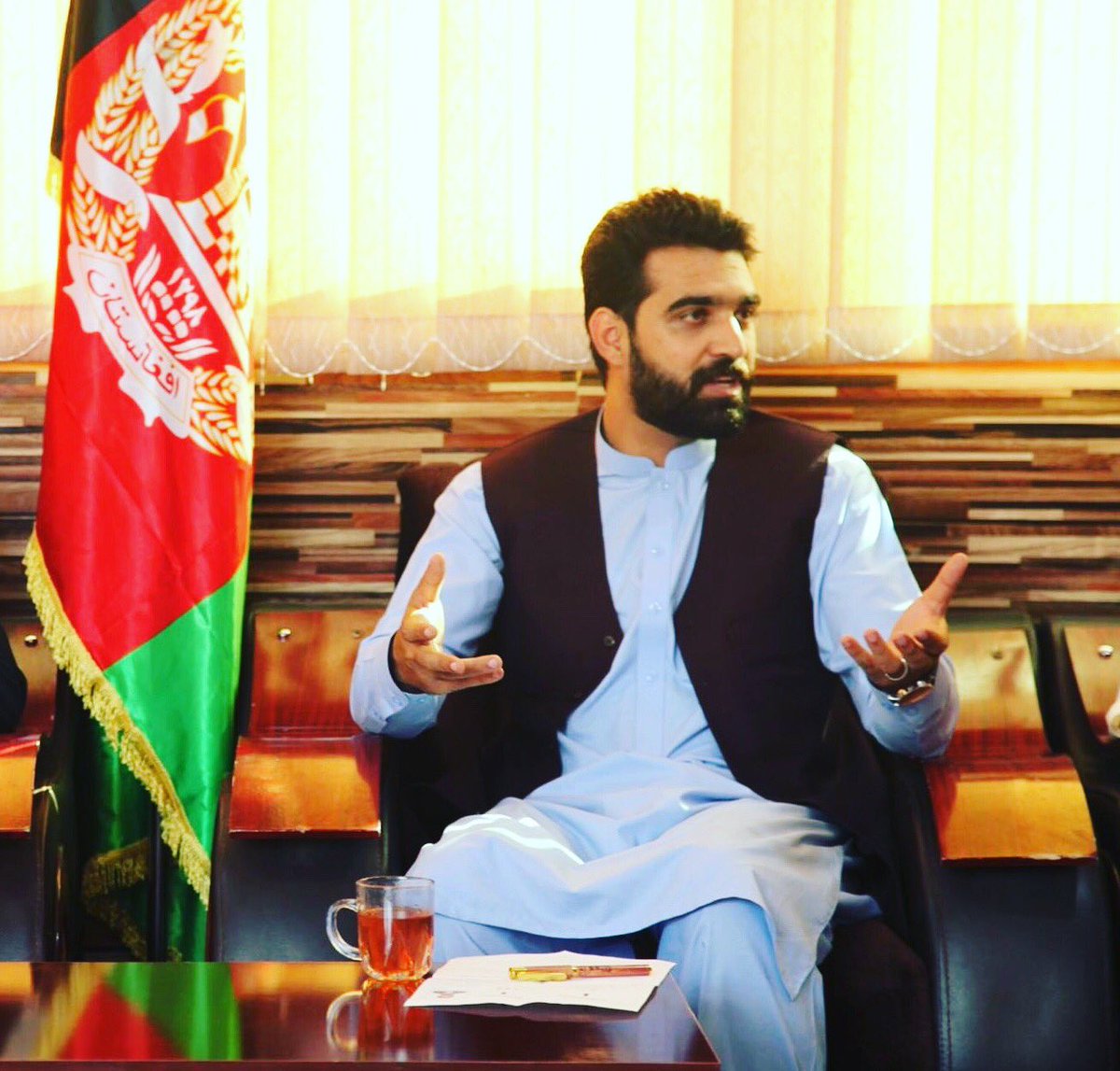
Oversight of this arrangement is said to fall under a newly announced joint committee comprising Al-Qaeda and the Taliban, revealed on 16 November by Taliban leader Mullah Haibatullah Akhundzada. Al-Qaeda is reportedly represented on the committee by senior Shura member Yahya Abu Talha, also known as Yahya al-Sha‘bi.
Taliban–Al-Qaeda Cooperation Linked to Citizenship and Governance
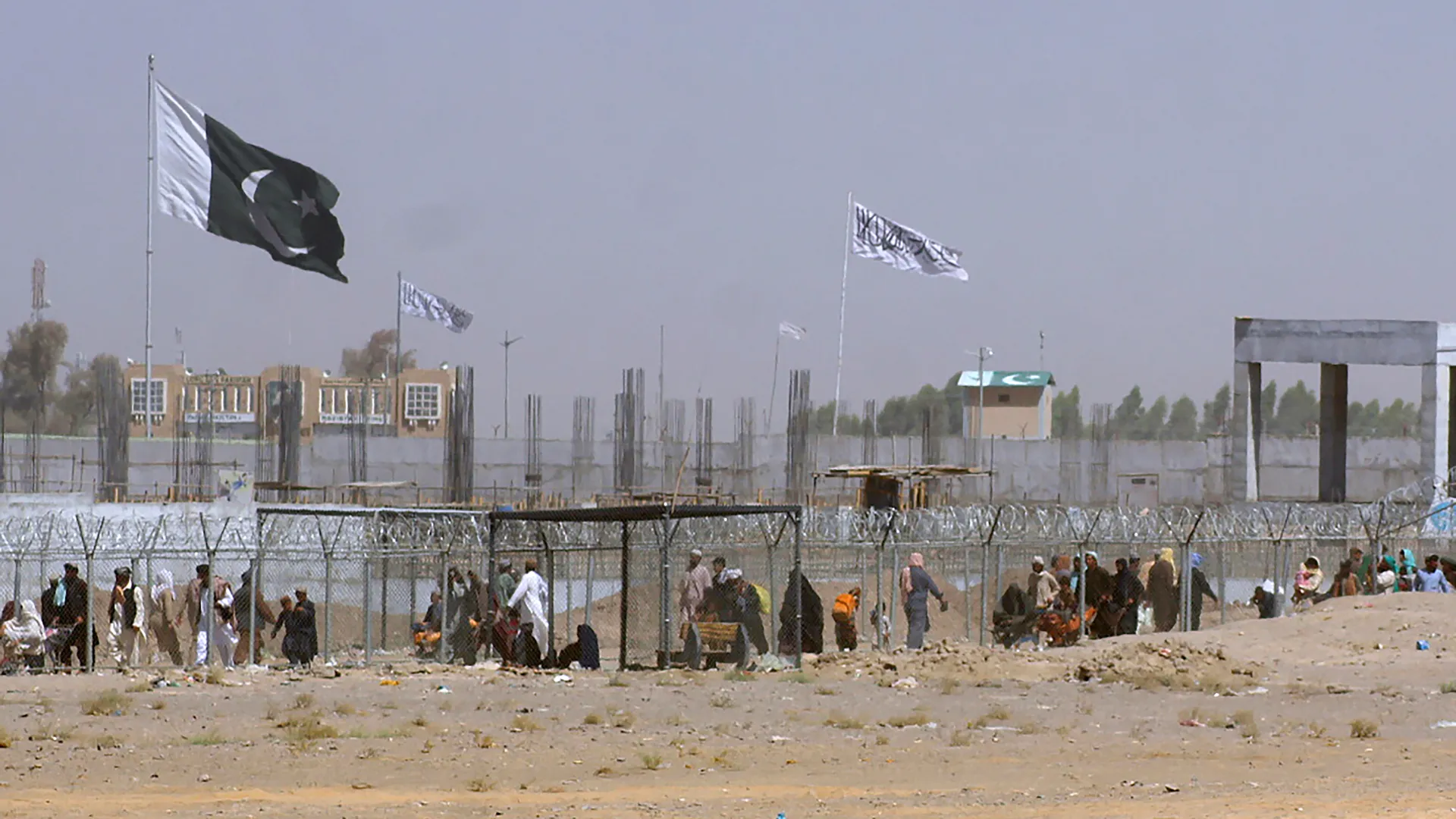
The operatives are believed to have entered Afghanistan through multiple routes and on different dates, suggesting a coordinated but decentralized movement strategy. Several individuals are reportedly seeking Afghan citizenship under the Taliban’s “Ummah Wahida” policy, a process that requires endorsement from the same senior committee linked to Al-Qaeda—effectively granting the group a role in vetting citizenship applications.
At least five individuals have been positively identified, including veteran ideologues, financiers, and operatives associated with Al-Qaeda’s early media, financial, and regional networks, including AQAP and Arabian branches. Some were previously active in Pakistan and the former tribal areas, according to the sources.
Officials familiar with the matter say that while a number of the arrivals are elderly figures seeking long-term sanctuary, others were summoned on direct instructions from senior Al-Qaeda leadership.
Regional Security Risks from Taliban–Al-Qaeda Cooperation
Security analysts assess these developments as further evidence of institutionalized cooperation between the Taliban and Al-Qaeda, including shared security structures, governance mechanisms, and potential pathways to legal status within Afghanistan.
Analysts warn that the situation reinforces concerns that Afghanistan continues to function as a permissive environment for transnational jihadist regrouping, posing ongoing risks to regional and international security.