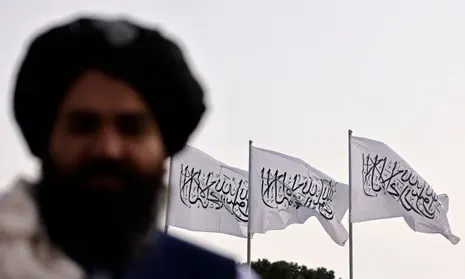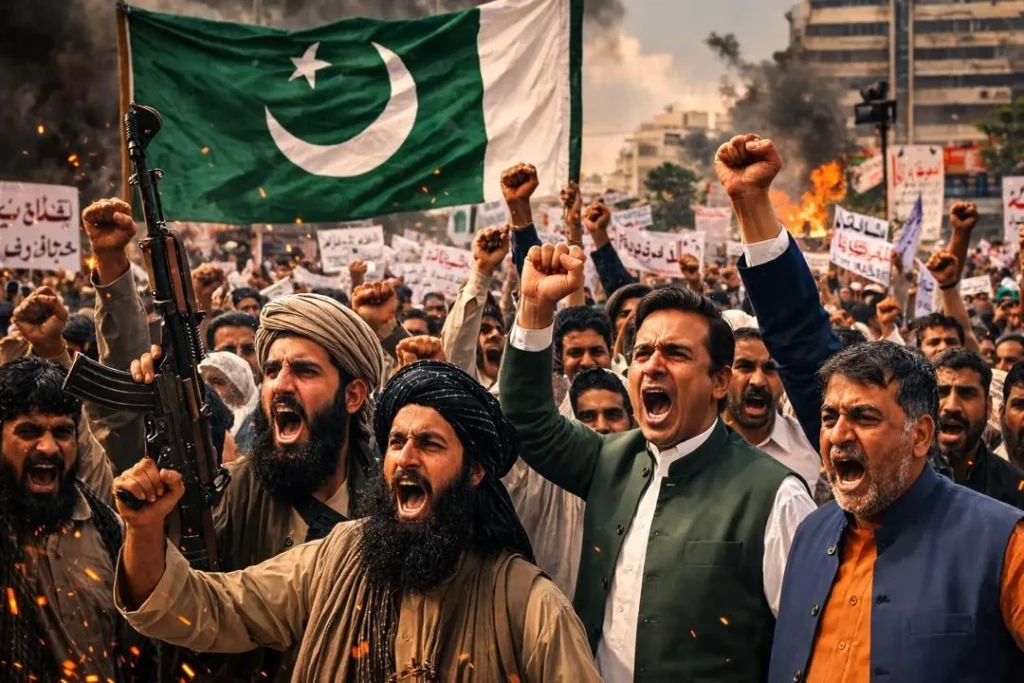
A gathering of more than one thousand Afghan clerics in Kabul has issued a five-point religious decree aimed at strengthening the Islamic Emirate’s authority, tightening internal control, and signaling a political message to neighboring states.
The fatwa declares obedience to the Taliban government a “religious obligation,” prohibits any Afghan from engaging in “jihad abroad” without the Emir’s approval, and places a clear ban on using Afghan soil against other countries.
On the surface, these points appear to send a positive message to a region long affected by instability.
But the central issue remains that trust is not restored through declarations alone. It requires consistent, verifiable implementation.
Over the past several years, Taliban officials have repeatedly given similar assurances to Pakistan and the international community.
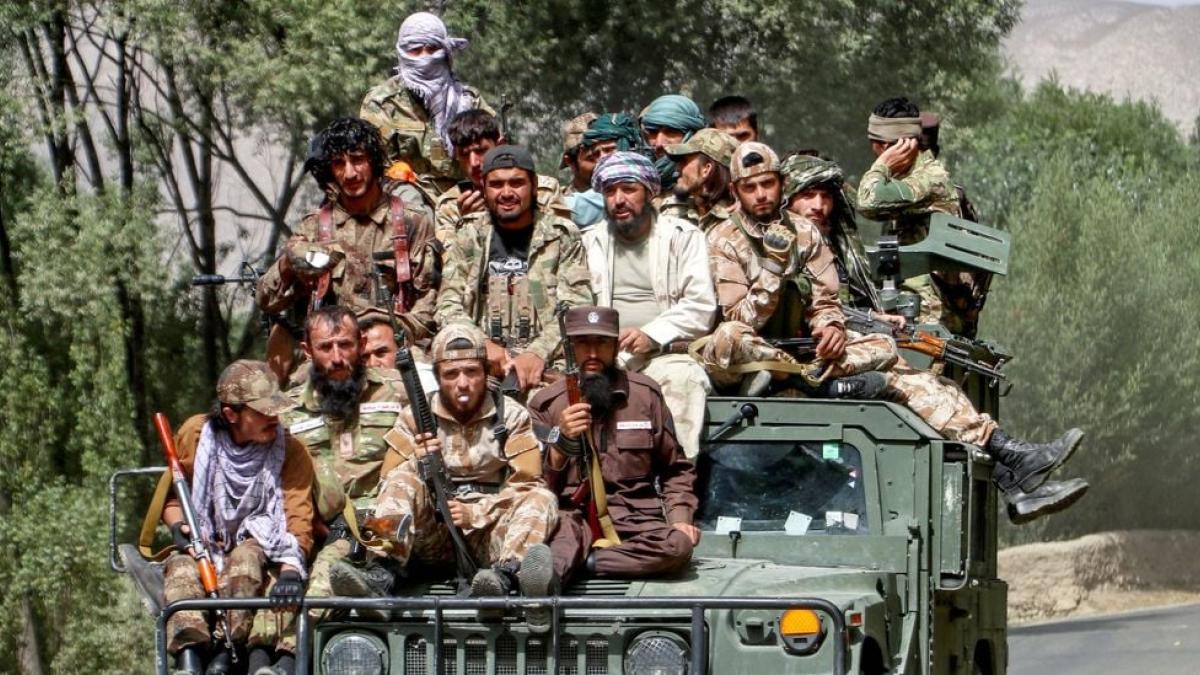
Yet, the continued presence and operations of TTP and other associated groups have undermined those promises. This is the context in which the new fatwa must be evaluated.
The decree’s instruction that Afghans must not take part in armed activities outside the country is significant, but its effectiveness depends entirely on whether the Emirate strengthens border controls, restricts militant movement, and dismantles organized networks operating from Afghan territory.
Trust is built not on words, but on policies that can be observed and objectively verified.
The fatwa also states that “sacred jihad” becomes obligatory in the event of foreign aggression. While this may serve a specific domestic purpose, such terminology can create confusion and misinterpretation at the regional level.
In Afghanistan’s fragile environment, such phrases risk being misused as justification for new conflicts or proxy engagements.
For Pakistani media, reporting this development responsibly is essential. The clerics’ statements must be conveyed accurately, but past experiences cannot be ignored. The Taliban has made similar commitments before with little sustained implementation.
Journalism must welcome constructive steps, yet highlight the persistent gap between promise and practice, avoiding emotional framing and focusing on regional security implications.
Ultimately, the fatwa will hold real meaning only if followed by transparency, concrete measures that can be verified by independent organizations, and long-term consistency.
For Pakistan, the key question is unchanged: will the Islamic Emirate prevent its soil from being used by militant groups? Regional peace and regional confidence depend on that answer.