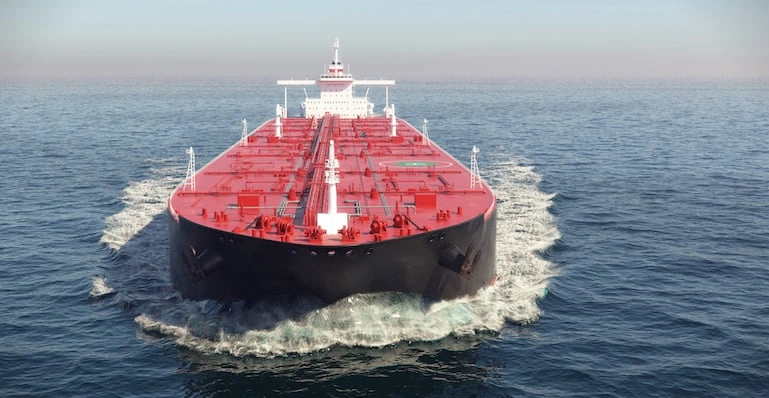
Reuters reports that several major oil companies have temporarily suspended the transit of crude oil shipments through the Strait of Hormuz, one of the world’s most strategically vital waterways. The suspension comes following reports that Iran has closed the strait, a move that has raised concerns among global energy markets and international trade observers.
The Strait of Hormuz, which links the Persian Gulf to the Gulf of Oman, is a crucial maritime corridor for global energy supplies. Approximately 3% of the world’s crude oil and 5% of liquefied natural gas (LNG) pass through this narrow channel, making it a key chokepoint for international trade. Any disruption in its operation can have immediate consequences on global oil prices, shipping schedules, and energy security.
Industry experts and officials are closely monitoring the situation, noting that even a temporary halt in shipments could cause ripple effects across supply chains, particularly for countries heavily reliant on Gulf energy exports. Shipping companies are reportedly rerouting vessels and reviewing safety protocols while awaiting updates on the reopening of the strait.
Analysts emphasize that this incident highlights both the strategic importance and vulnerability of the Strait of Hormuz, where geopolitical tensions can quickly translate into economic and logistical disruptions. While companies have described the suspension as temporary, the development underscores the fragility of key maritime routes and the broader implications of regional conflicts on global energy markets.