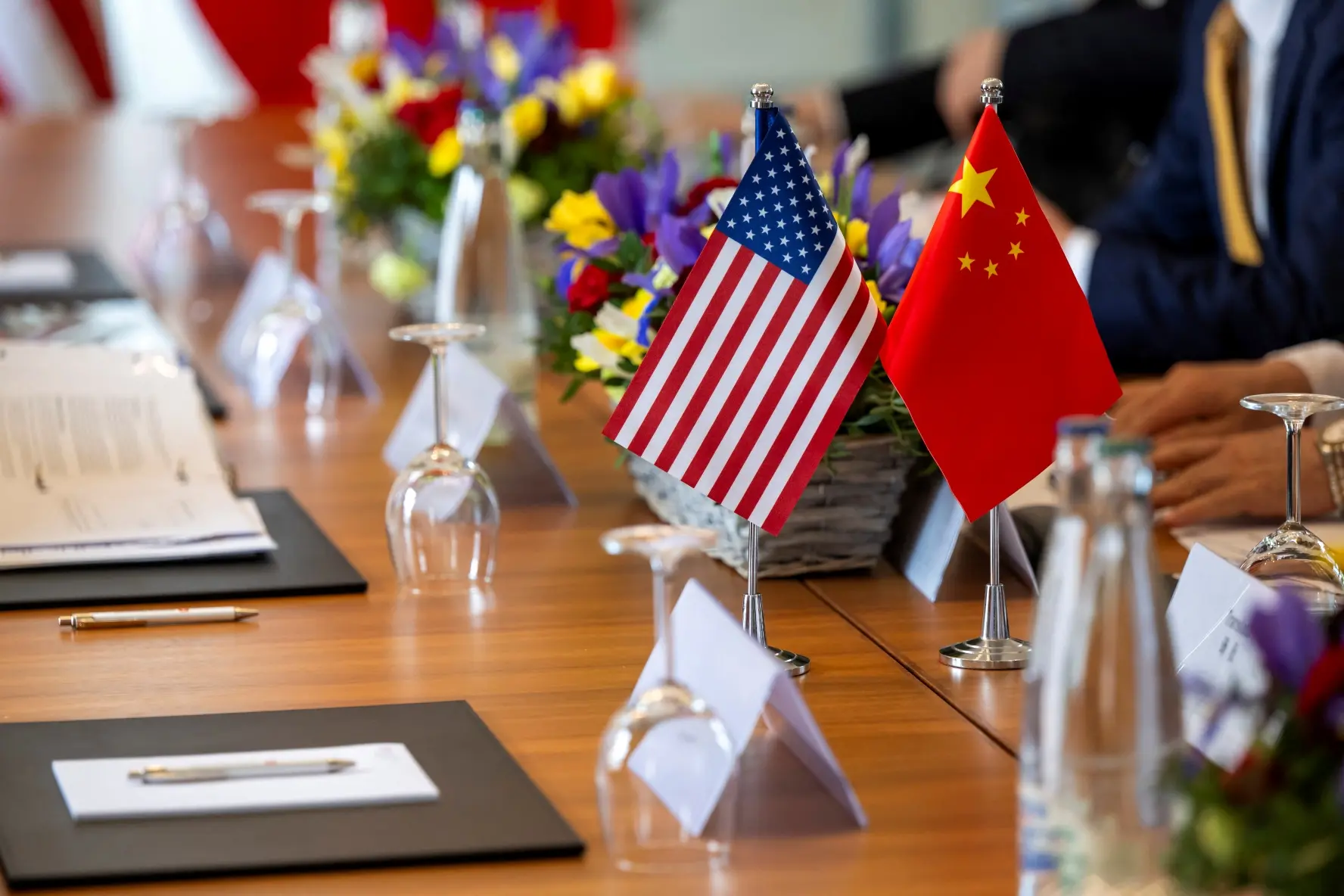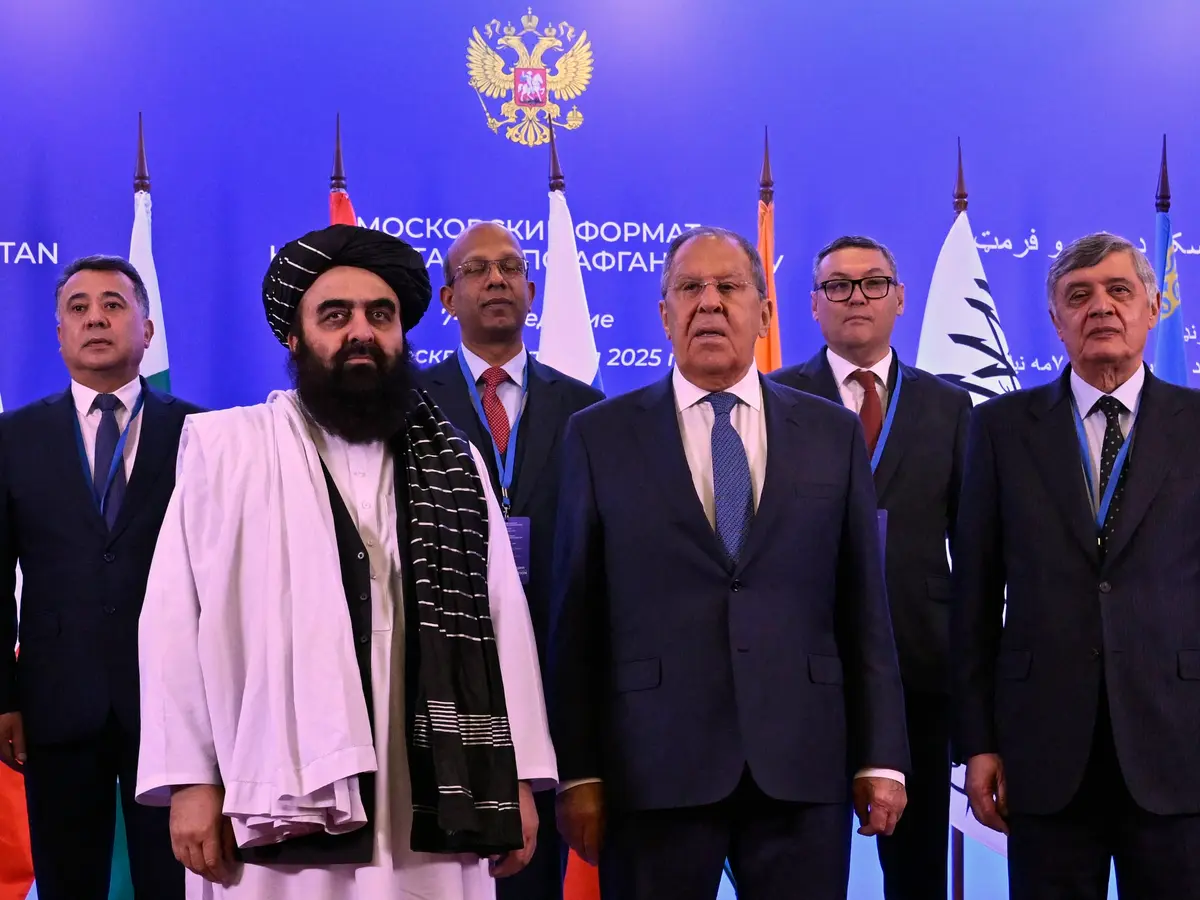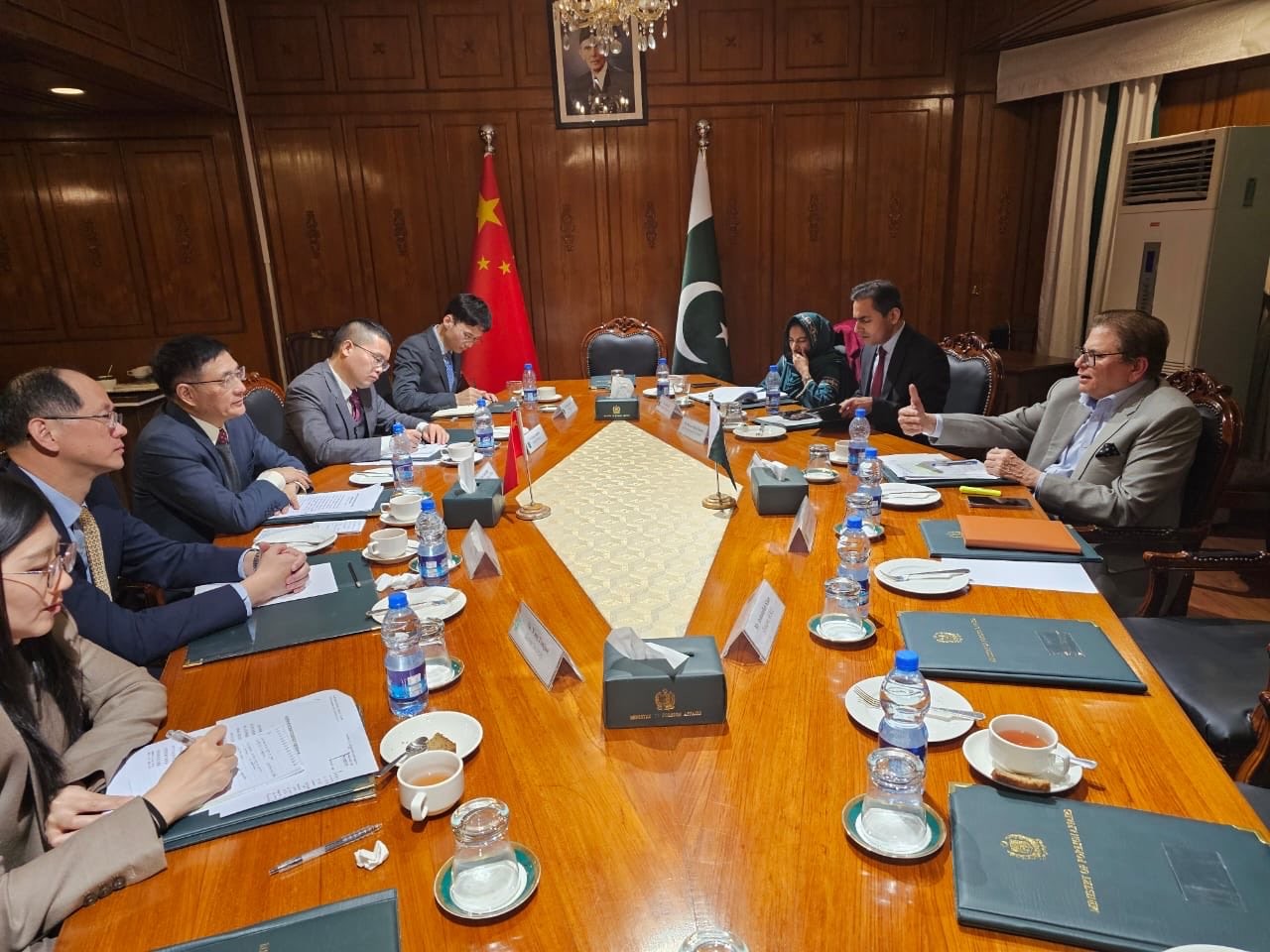
Pakistan’s Special Representative for Afghanistan, Mohammad Sadiq, met the Chinese Special Representative for Afghanistan, Yue Xiaoyong, to discuss growing regional security concerns linked to terrorist groups operating from Afghan territory.
Ambassador Sadiq said the meeting was part of regular Pakistan-China consultations focused on enhancing counterterrorism cooperation amid rising threats to both countries.
Met with Chinese Special Representative for Afghanistan, HE Yue Xiaoyong, to discuss threat to regional security from terrorist organizations based in Afghanistan. Ambassador Yue's visit is part of regular Pakistan-China consultations aimed at enhancing counter-terrorism… pic.twitter.com/ldEflnf0oq
— Mohammad Sadiq (@AmbassadorSadiq) December 11, 2025
Pakistan-China coordination as Afghan-based networks expand their footprint
The discussion comes at a time when Pakistan is facing continued cross-border attacks from TTP elements based inside Afghanistan.
Chinese concerns have also increased after the ETLF claimed responsibility for the drone attack on Chinese workers in Tajikistan.
Intelligence assessments shared in recent months indicate that Uyghur militant groups, including ETIM, TIP, and ETLF, have activated camps in Balkh, Badakhshan, Baghlan, and areas around Kabul. These reports also suggest that many Uyghur fighters were sheltered under the cover of TTP and other groups since 2023.
Officials familiar with the matter say ETLF has increasingly been used as a rebranded front after Chinese objections to ETIM- and TIP-related identities.
There are also indications that Al Qaeda has played an advisory role in shaping this restructuring in order to avoid diplomatic pressure while maintaining operational capabilities inside Afghanistan.
Growing urgency amid US posture shifts and regional instability
The meeting also takes place against the wider backdrop of United States policy shifts.
A recent move in the US Congress halted a proposal to reduce the American military footprint in Europe and Japan. Washington has also adopted an increasingly strict position on Afghanistan by withholding further funding and highlighting that aid flows have not been fully optimized. Coupled with recent visa restrictions on Afghanistan and scrutiny over individuals holding green cards.
With the US having stepped back from Afghanistan since 2021, regional actors fear a growing vacuum across South and Central Asia. Pakistan and China therefore see closer cooperation as essential to limit militant spillover from Afghan territory.
Shared concern over Kabul’s inaction on safe havens
Pakistan has consistently highlighted the Taliban’s inability or unwillingness to dismantle sanctuaries belonging to TTP, BLA, ETIM, and ETLF.
Despite repeated engagements, Afghan soil continues to host networks that threaten Pakistan, China, and neighboring states.
Kabul has twice issued fatwas, including one by Dar-ul-Ifta on 3 August 2023, stating Afghan soil must not be used against neighbors. Yet the continued activity of TTP, BLA, ETIM, and ETLF on Afghan territory contradicts these declarations.
HTN | EDITORIAL
— HTN World (@htnworld) December 11, 2025
Over 1,000 Afghan clerics issue a fatwa ban*ning foreign jihad and use of Afghan soil for atta*cks abroad. Pakistan welcomes the intent but stresses that past assurances failed, and only verifiable action and strict enforcement will restore regional trust and… pic.twitter.com/TgwCTUinmv
Read more: Over 50 Nations Warns UN of Rising Taliban Abuses and Afghanistan Humanitarian Crisis