Skip to content
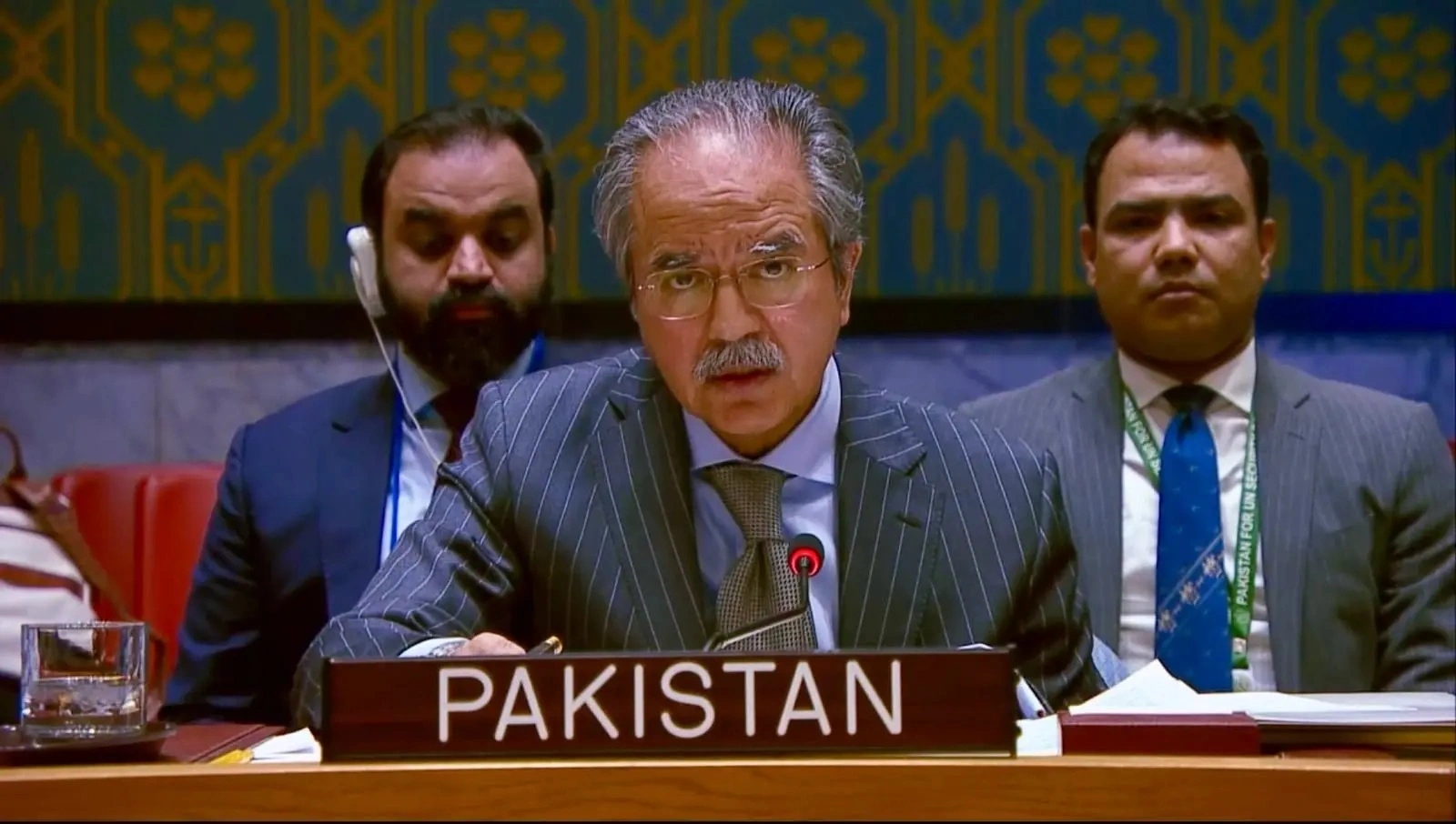
New York — The Permanent Mission of Pakistan to the United Nations shared a detailed statement by Ambassador Asim Iftikhar during a side-event on Building an Inclusive Long-Term Care System Sustained by Social Solidarity, held on 2 February 2026. The event highlighted best practices in long-term care and social protection, bringing together regional and international stakeholders.
Darülaceze: A Model of Solidarity-Based Care
Ambassador Iftikhar praised Türkiye for organizing the event and presenting its 130-year-old Darülaceze institution as a model of effective, solidarity-based long-term care. The Darülaceze model integrates state responsibility with philanthropy and community participation, providing a framework for countries seeking sustainable social protection systems.
He also commended the leadership and contributions of Qatar, Türkiye, and Azerbaijan, recognizing their role in advancing inclusive policies and promoting collaboration among regional partners.
Parallels in Pakistan: Institutionalized Social Protection
The Ambassador drew attention to Pakistan’s own experience, highlighting programs such as BISP (Benazir Income Support Programme) and Pakistan Bait-ul-Mal, which similarly combine state support with community and philanthropic involvement. He emphasized that institutionalized social protection, reinforced by volunteerism and philanthropy—including contributions from the Edhi Foundation and private-sector CSR initiatives—has been critical to Pakistan’s approach.
Global Implications and South-South Cooperation
Ambassador Iftikhar stressed the importance of elevating solidarity-based care models to the global policy level, encouraging international recognition and adoption of these practices. He also highlighted the potential for South-South cooperation to strengthen inclusive long-term care systems, ensuring that lessons learned in one region can be adapted and scaled in others.
The statement underscores Pakistan’s commitment to promoting sustainable and inclusive social protection, demonstrating how governments, communities, and philanthropic organizations can work together to support vulnerable populations.