New York — Pakistan’s Permanent Representative to the United Nations, Ambassador Asim Iftikhar Ahmad, has raised alarm at the United Nations over India’s unilateral suspension of the 1960 Indus Waters Treaty, stressing that the move risks Pakistan’s water security and could set a dangerous global precedent for international water agreements.
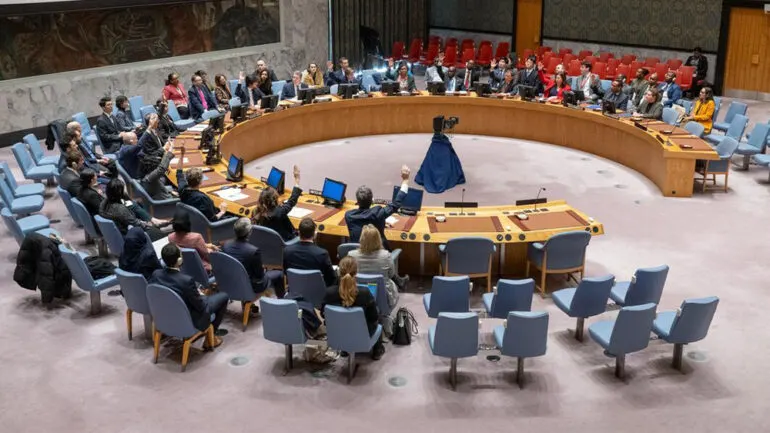
In a session at the UN Security Council, Ambassador Ahmad described the treaty, brokered with World Bank mediation, as one of the strongest and most durable water-sharing frameworks in the world. He warned that India’s decision to place the treaty in abeyance undermines not only bilateral trust, but international law and multilateral norms governing shared natural resources.
Pakistan’s envoy also cautioned that the unilateral suspension could have serious humanitarian, environmental, and peace and security consequences, especially for the more than 250 million people in Pakistan who depend on the Indus basin for food, energy, and livelihoods. He said such actions weaken confidence in the global treaty system and may embolden similar resource-based coercion elsewhere.
Ambassador Ahmad emphasized that the treaty contains no provision allowing unilateral suspension or modification, urging India to return to full compliance with its obligations and respect the spirit and letter of the agreement. Pakistan continues to seek restoration of water flows, data sharing, and legal dispute resolution mechanisms under the treaty’s original framework rather than unilateral actions.
What the Indus Waters Treaty Is
The Indus Waters Treaty, signed in 1960 with World Bank mediation, governs water sharing of six major rivers in the Indus basin between Pakistan and India. Pakistan relies on the waters of the Western rivers for over 80% of its agricultural water needs, supporting millions of livelihoods.
Pakistan insists that any suspension of the treaty by one party violates both international law and the treaty’s own mechanisms, and stresses that peaceful cooperation on shared water resources is necessary for regional stability.