Skip to content
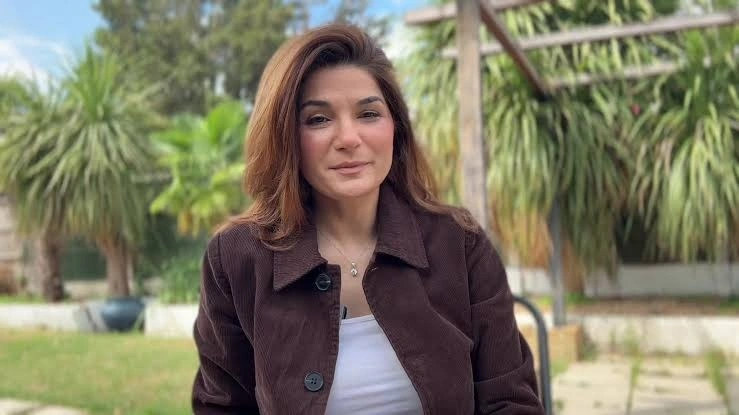
British-based Pakistani-origin journalist and human rights activist Safina Khan has reportedly received serious death threats, an incident that has drawn global attention and has been linked by commentators to what international experts describe as India’s alleged practice of “transnational repression.”
According to reports, the threats have raised concerns that this is not an isolated case but part of a broader pattern of intimidation allegedly aimed at silencing critics of the Indian government abroad.
Safina Khan revealed in a recent social media post that she was targeted by a specific extremist account, which openly claimed that “unknown armed individuals will soon meet Safina Khan on the streets of London.” In response, she has formally requested immediate investigation and protection from London’s Metropolitan Police and relevant social media safety authorities.
I request @metpoliceuk to urgently take notice of a threatening post made by the account “Voice of Hindus” targeting me.
— Safina Khan (@SafinaKhann) March 25, 2026
The post states “Sources claimed unknown gunmen will soon meet Safina Khan in London’s streets.” This is a direct threat to my safety and public incitement
I… https://t.co/wNwmwgbX8Y pic.twitter.com/ccFuAMGVFw
India’s Alleged Aggressive Policy
Security and diplomatic analysts argue that the incident fits into a wider strategy allegedly associated with India, under which critics, journalists, and human rights activists living abroad are intimidated through indirect threats and unidentified actors.
Experts describe this as the “export of fear,” where dissenting voices are allegedly pressured beyond national borders through coercive and aggressive tactics.
The harassment of a journalist on British soil has been described as a serious challenge to the United Kingdom’s sovereignty and to global freedom of expression. The incident is also being viewed in the context of similar allegations previously reported in Canada and the United States involving attempts to target dissidents abroad.
Diplomatic Isolation Claims
Analysts further suggest that perceived failures of the Modi government’s foreign policy and growing international diplomatic pressure have created a sense of frustration within certain circles, which is allegedly reflected in online harassment campaigns and aggressive rhetoric targeting journalists.
They argue that such developments indicate a breakdown in diplomatic discipline, where political narratives increasingly shift toward intimidation and hostile messaging instead of engagement.
Observers also claim that when diplomatic avenues weaken, states or aligned actors may resort to indirect pressure tactics to counter criticism and maintain narrative control on the international stage.