Abdul Rab Rasul Sayyaf, a former jihadist leader and member of Afghanistan’s National Resistance Council, has strongly criticized the Taliban’s newly approved penal code, accusing the group of distorting Islamic teachings and undermining justice.
In a statement posted on his Facebook page, Sayyaf addressed the Taliban directly, saying: “Fear Allah and do not misrepresent the teachings of Islam.” He stressed that Islam is a religion of justice and fairness, adding that any form of preferential treatment in Islamic teachings is meant for the poor and the vulnerable, not for the powerful, wealthy, or influential elites.
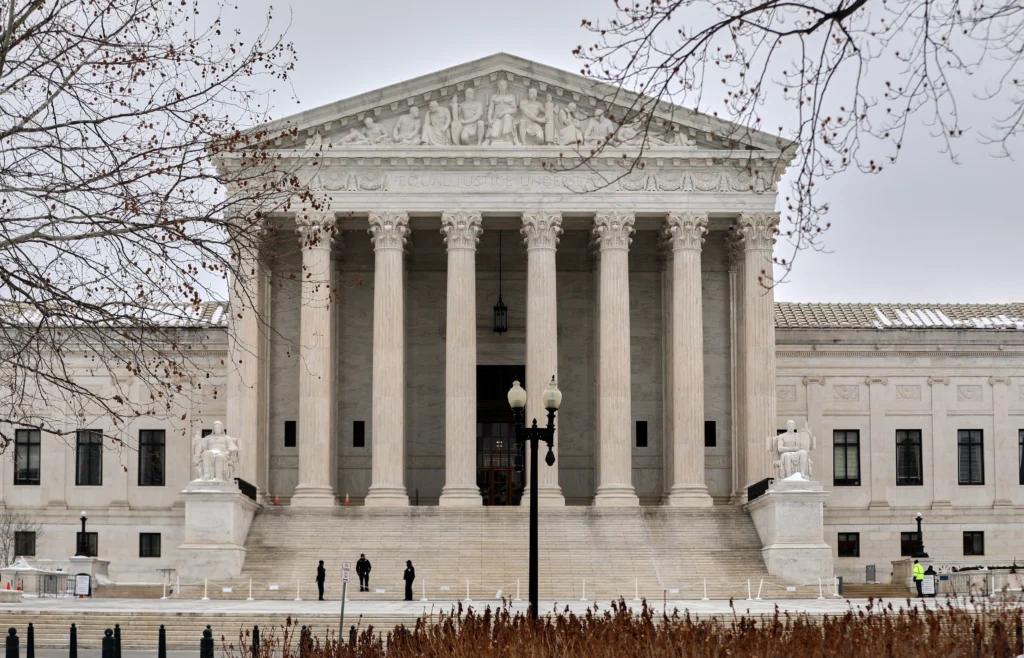
Sayyaf’s remarks come after the Taliban’s Supreme Court officially confirmed the content of its new judicial regulations. The court’s spokesperson, Abdul Rahim Rashid, stated that under the new penal framework, Afghan citizens accused of discretionary crimes (Ta’zir offenses) will be punished differently based on their social class.
Critics argue that the policy institutionalizes class-based discrimination within Afghanistan’s judicial system and contradicts both Islamic principles of equality and internationally recognized legal standards. Observers warn that the new rules further entrench injustice and deepen social divisions under Taliban rule.
Read more :Inside the Taliban’s New Law: How Afghanistan’s Justice System Was Turned Into a Machine of Fear