British counter-terrorism police are investigating a series of coordinated attacks on two Pakistani nationals living in the UK, Shahzad Akbar and Adil Raja.
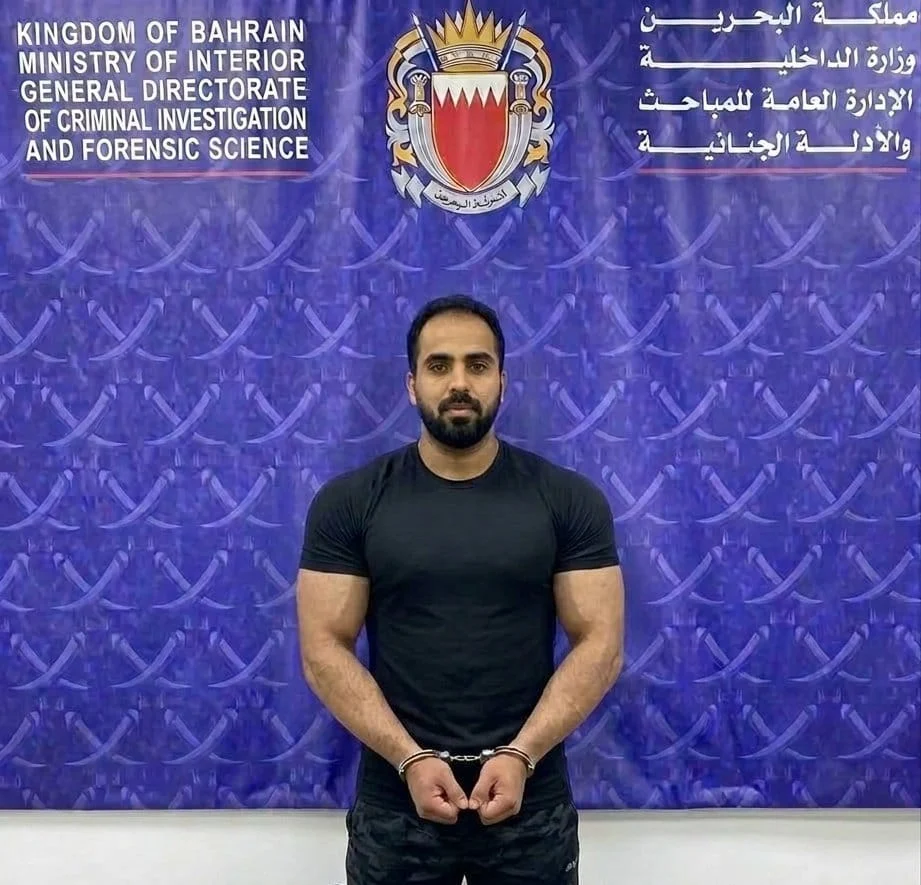
The incidents, which took place on December 24, December 31, 2025, and January 10, 2026, included a physical assault, attempted arson and the use of a firearm. Four men have so far been charged, while a fifth suspect, believed by police to be the ringleader, remains in custody.
Investigators say the attackers were connected through private chat groups, filmed the attacks and shared the footage among themselves.
What happened in the UK and how it is being framed
These are serious criminal incidents and are being treated as such by UK authorities. However, the way the story is being presented in parts of the media and by lobbying groups deserves closer examination.
The Guardian described the victims as “Pakistani dissidents” and suggested that the attacks may fit a broader pattern of states using criminal proxies to target critics abroad.
The Pakistan World Alliance (PWA), a group aligned with the PTI narrative abroad amplified this framing by calling it “transnational repression on UK soil.”
At this stage, there is no public evidence linking the Pakistani authorities to these attacks. The investigation is focused on the individuals involved and their networks.
Responsible journalism requires separating what is proven from what is being suggested. Turning an ongoing criminal investigation into a geopolitical accusation before facts are established risks shaping opinion first and verifying later.
Shahzad Akbar’s political past and the legal reality in Pakistan
Shahzad Akbar is not just a private citizen or a lifelong human rights activist. He is a former senior official who served in Imran Khan’s government and was part of the state structure when it suited him.
Today, he presents himself as a hunted dissident, a shift that fits a familiar pattern in international politics: recast a political and legal dispute as a human rights story, seek sympathy abroad and use that platform to apply pressure back home.
This framing also helps move attention away from his legal position in Pakistan. He has been declared a proclaimed offender by a Pakistani court after repeatedly failing to appear despite multiple summons.
A case registered by the National Cyber Crime Investigation Agency is already under trial, and arrest warrants have been issued. Pakistani authorities have also formally handed extradition papers for Akbar and Adil Raja to the UK arguing that both are wanted in Pakistan in criminal cases.
Groups like PWA are not neutral human rights organizations. Their advocacy is tightly focused on defending one political camp and one set of personalities. That does not make their right to speak invalid but it does explain why their campaigns are selective and politically shaped.
The attacks in the UK should be fully investigated and those responsible should face justice. At the same time, it is important not to confuse a criminal case with a ready-made political narrative.
There is a difference between being attacked and being above the law and that difference should not be lost in the noise of international lobbying.
Read more: Pakistan Seeks Extradition of Adil Raja, Shahzad Akbar from Britain