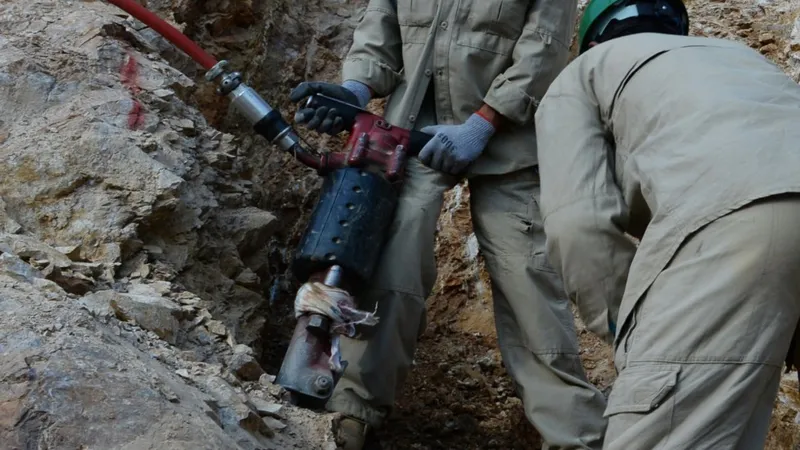
Taliban intelligence forces have detained several protesters in Chah Ab district of Takhar province after weeks of unrest over gold mining operations, according to local sources.
At least three men Mohammad Amin, Mohammad Hashem and Qarah Khan have been arrested from different villages. Their whereabouts remain unknown and the Taliban have not issued any public statement on the detentions.
Protests over mining met with arrests and silence
The protests began in mid-December after residents accused the authorities of allowing gold mining to proceed without local consent or any visible benefit to the community.
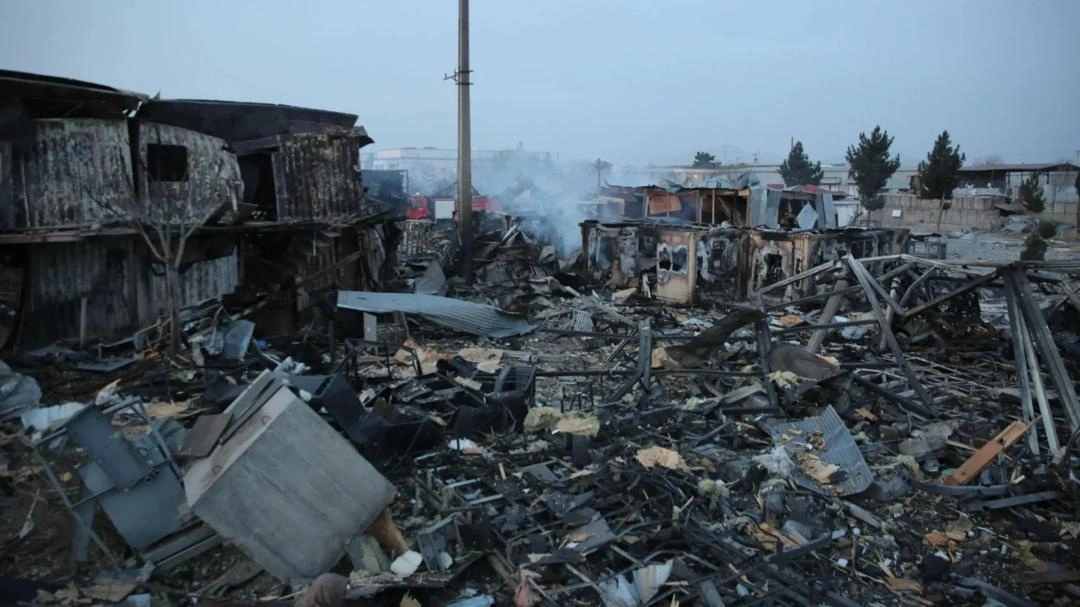
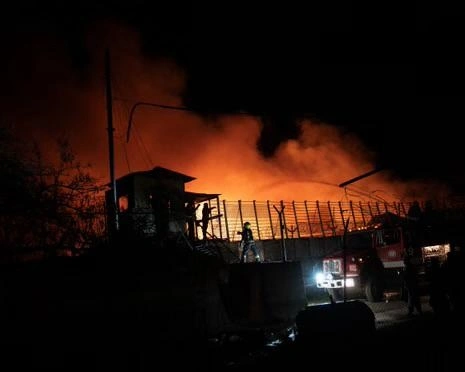
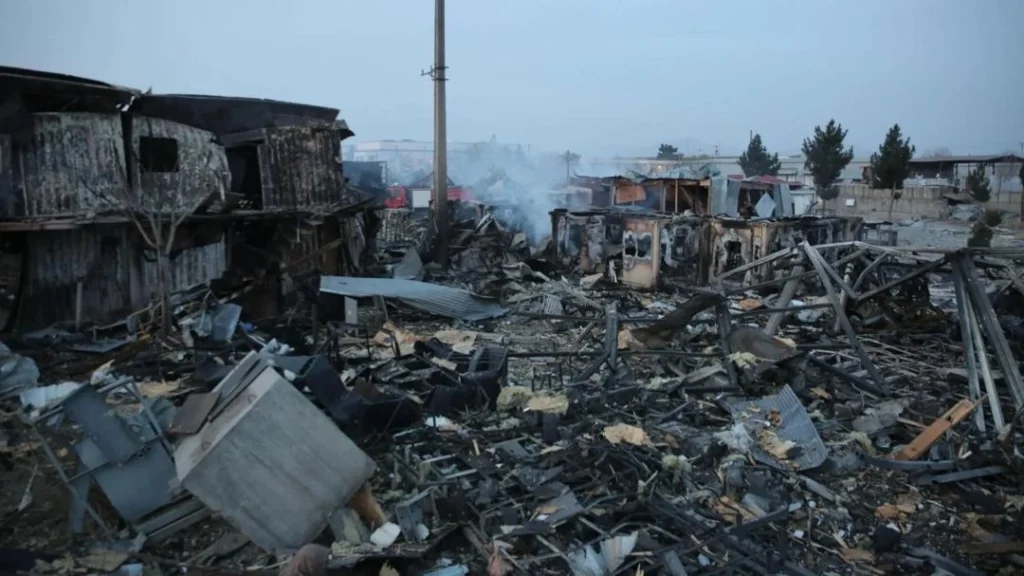
Clashes during the demonstrations left at least five people dead and 16 injured, according to local residents. Protesters said they were not opposing development but demanding basic services such as roads, electricity and fair compensation in return for the extraction of natural resources from their land.
Elders in the area have tried to open talks with Taliban officials to secure the release of the detainees but so far without success. The arrests have sent a clear message that public protest is being treated as a security threat rather than a civic concern.
Resources, repression and a growing legitimacy crisis
The events in Takhar reflect a wider pattern across Afghanistan’s resource-rich regions. Gold mines in Takhar and Badakhshan have increasingly been taken over by Taliban-backed networks, leaving local communities excluded from decision-making and benefits.
Mining revenues flow through opaque channels and do not pass through any transparent public budget or oversight system.
Instead of building institutions, Taliban governance relies on armed force to secure control over valuable resources. Security units are deployed to protect mining sites and suppress local opposition, not to provide justice or public services.
Unregulated mining has also caused environmental damage including polluted rivers and unsafe working conditions that have already cost lives.
More broadly, resource extraction under Taliban rule has become part of a parallel economy that strengthens internal control and helps sustain armed networks linked to regional militancy.
The anger seen in Takhar is a sign of a growing legitimacy crisis, as more communities begin to view Taliban rule not as national governance but as predatory control over land, labour and wealth.
Read more: Takhar’s Mining Crisis Exposes Taliban’s Governance Failure