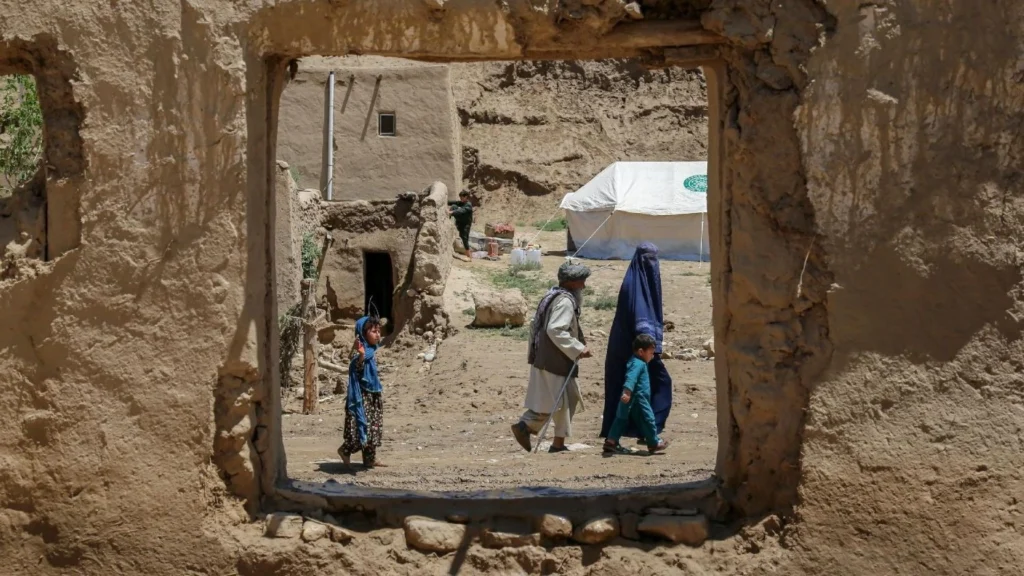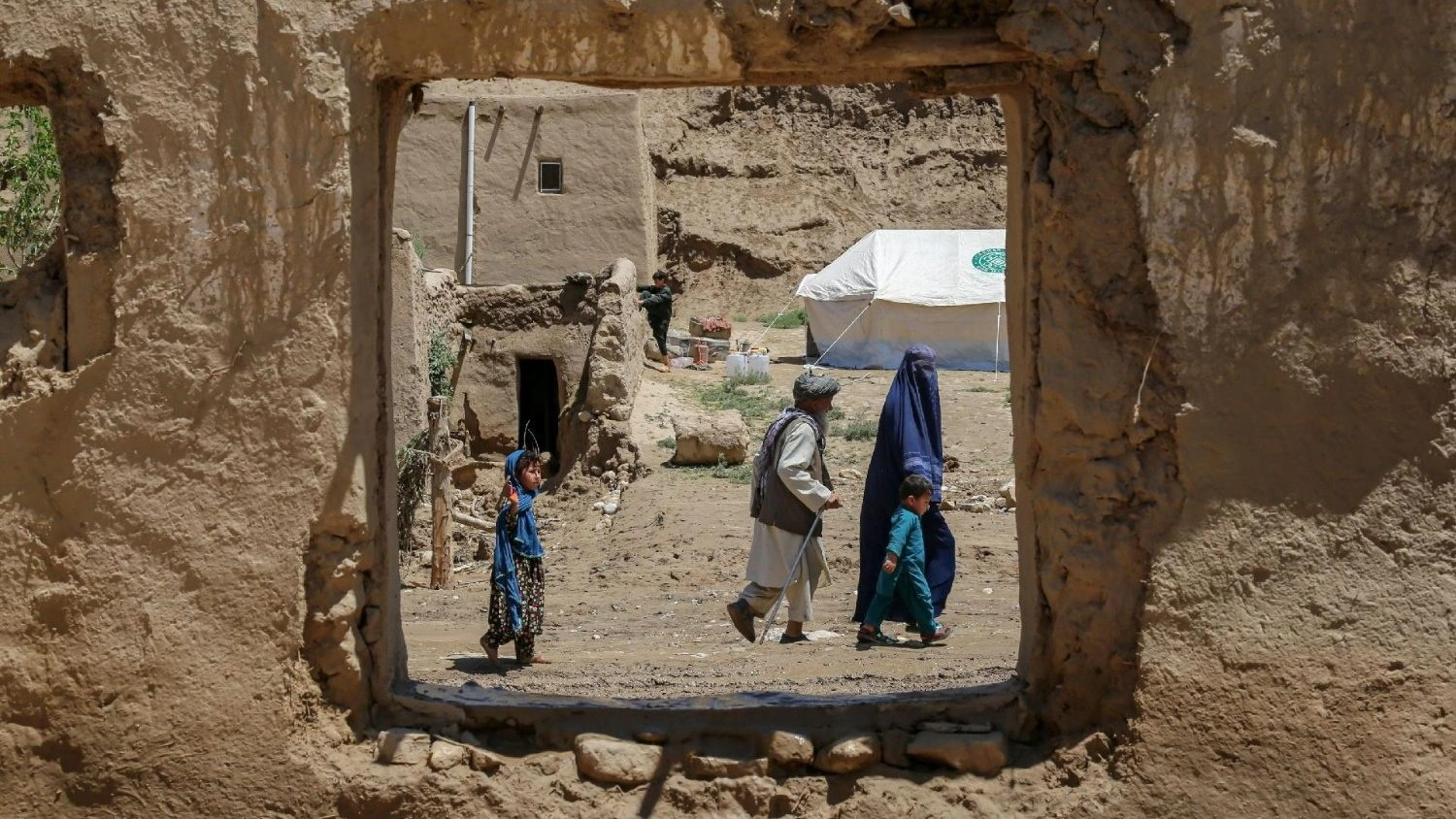
Communities across Afghanistan are facing severe hardships as the Taliban maintain strict control over the country’s drug economy. Families in rural provinces report rising dependence on illicit poppy cultivation to survive, while children are increasingly drawn into labor and trafficking networks.
Taliban Enforcement and Social Inequality
Local residents say that the Taliban enforce cultivation quotas and taxes on opium, methamphetamine, and precursor plants, leaving farmers with little autonomy. Many households have been forced to choose between starvation and compliance with the illicit economy. Women and girls are disproportionately affected, with restricted access to education and work, compounded by the economic pressures of the drug trade.
Humanitarian Concerns
Humanitarian organizations warn that the narcotics economy under Taliban rule is fueling widespread social instability. The diversion of resources into drug production and trafficking limits access to basic services, including healthcare and clean water. Children are reported to work in poppy fields or as transporters of narcotics, raising concerns about child exploitation and long-term social harm.
International Perspective
International experts highlight that the Taliban’s managed narcotics system is no longer just a criminal enterprise it is a driver of structural inequality and human rights violations. By controlling production, trade, and distribution, the Taliban consolidate power while creating cycles of dependency that undermine community resilience.
Calls for Action
The United Nations and NGOs have called for urgent monitoring and intervention, emphasizing that solutions must prioritize protection of civilians and children. “The drug trade is not just an economic issue,” said one aid worker. “It is a crisis of human security, affecting every level of Afghan society.”
Read more :Afghanistan’s Drug Economy Threatens Regional Stability