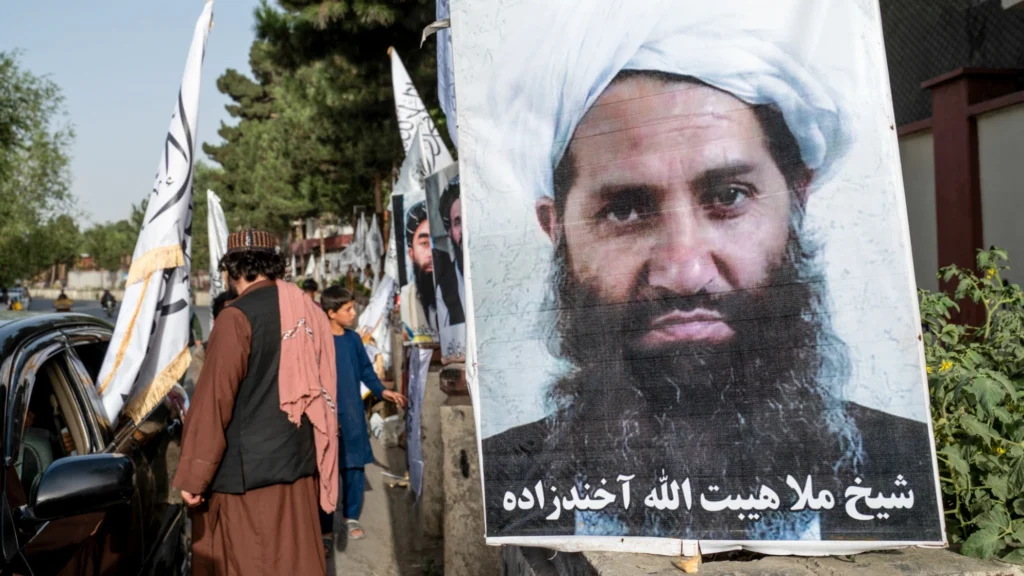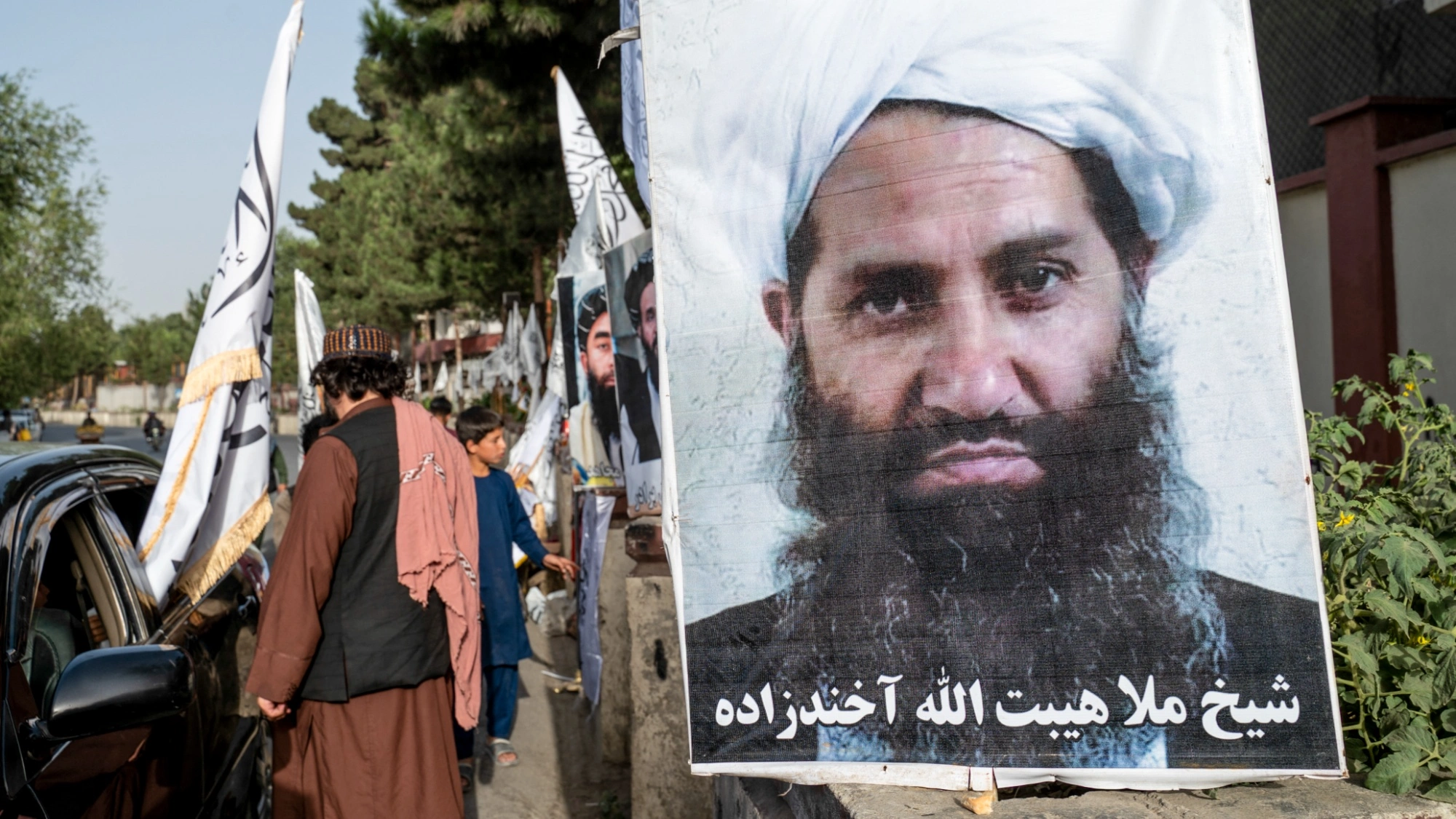
Taliban Supreme Leader Mawlavi Hibatullah Akhundzada issued a lengthy message on the occasion of Eid-ul-Fitr, congratulating Afghans and Muslims around the world at the end of the holy month of Ramadan. In the message, he prayed for the acceptance of fasting and worship performed during Ramadan and called on Muslims to demonstrate charity, unity, and compassion during the Eid celebrations.
The statement included numerous references to Quranic verses and sayings of the Prophet Muhammad, emphasizing the spiritual importance of Ramadan, the obligation of fasting, and the value of helping the poor through charity such as Zakat-ul-Fitr. Akhundzada urged wealthy Muslims to support widows, orphans, and needy families so they could also celebrate Eid with dignity.
𝗧𝗮𝗹𝗶𝗯𝗮𝗻 𝗦𝘂𝗽𝗿𝗲𝗺𝗲 𝗟𝗲𝗮𝗱𝗲𝗿 𝗘𝗺𝗽𝗵𝗮𝘀𝗶𝘇𝗲𝘀 𝗦𝗵𝗮𝗿𝗶𝗮 𝗚𝗼𝘃𝗲𝗿𝗻𝗮𝗻𝗰𝗲 𝗮𝗻𝗱 𝗥𝗲𝘀𝗽𝗲𝗰𝘁𝗳𝘂𝗹 𝗙𝗼𝗿𝗲𝗶𝗴𝗻 𝗥𝗲𝗹𝗮𝘁𝗶𝗼𝗻𝘀 𝗶𝗻 𝗘𝗶𝗱 𝗠𝗲𝘀𝘀𝗮𝗴𝗲
— Afghan Analyst (@AfghanAnalyst2) March 16, 2026
In his Eid message released today, Taliban Supreme Leader Mawlawi Hibatullah Akhundzada… pic.twitter.com/NucGgwADHu
However, the message has drawn criticism because it comes from a leader whose rule has been widely condemned for imposing severe restrictions on Afghan society, particularly on women and girls. Under Akhundzada’s leadership, the Taliban authorities have introduced sweeping bans on girls’ education beyond certain levels, limited women’s participation in public life, and enforced strict social controls across the country.
In his Eid address, Akhundzada praised the current Taliban system and claimed that Afghanistan now enjoys greater security due to the sacrifices of Taliban fighters. He called on Afghans to support the Islamic Emirate and remain loyal to its leadership, describing the existing political system as a blessing achieved after decades of war.
The Taliban leader also defended the role of the Ministry for the Promotion of Virtue and Prevention of Vice, presenting it as an institution working to prevent corruption and enforce Islamic values in society. Critics, however, argue that the ministry has become a tool for enforcing strict ideological control and restricting personal freedoms.
Akhundzada further urged religious scholars to support the Taliban authorities by educating young people according to the group’s interpretation of Islamic law and by encouraging obedience to the leadership. He also called for national unity and warned against division or criticism of the regime.
While the message focused heavily on religious themes and calls for solidarity among Muslims, analysts note that it avoided addressing Afghanistan’s deep economic crisis, international isolation, and the widespread humanitarian challenges facing the country under Taliban rule. Many observers say the Eid message reflects the leadership’s continued emphasis on consolidating authority rather than responding to the urgent social and economic concerns of the Afghan population.