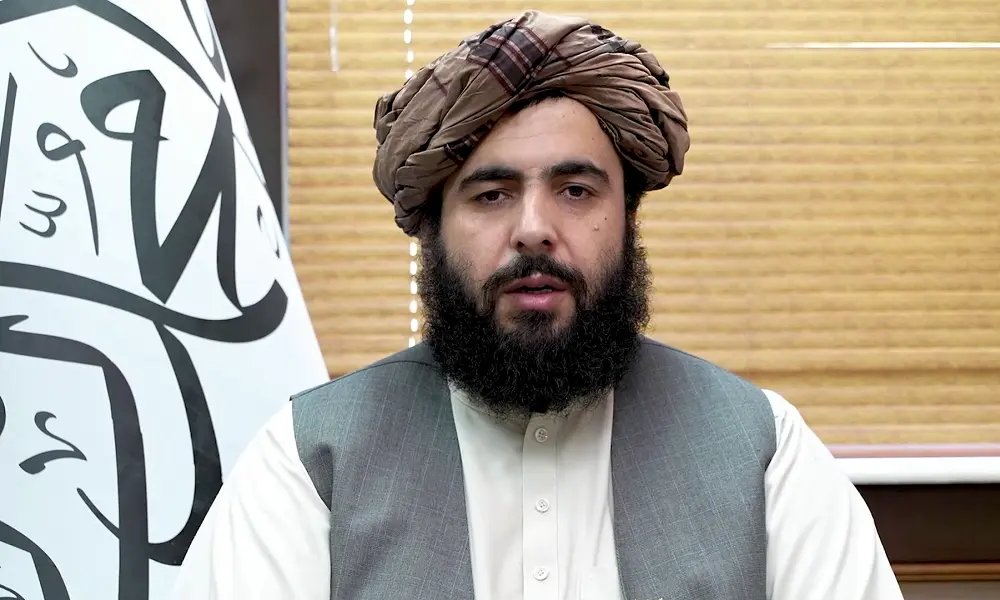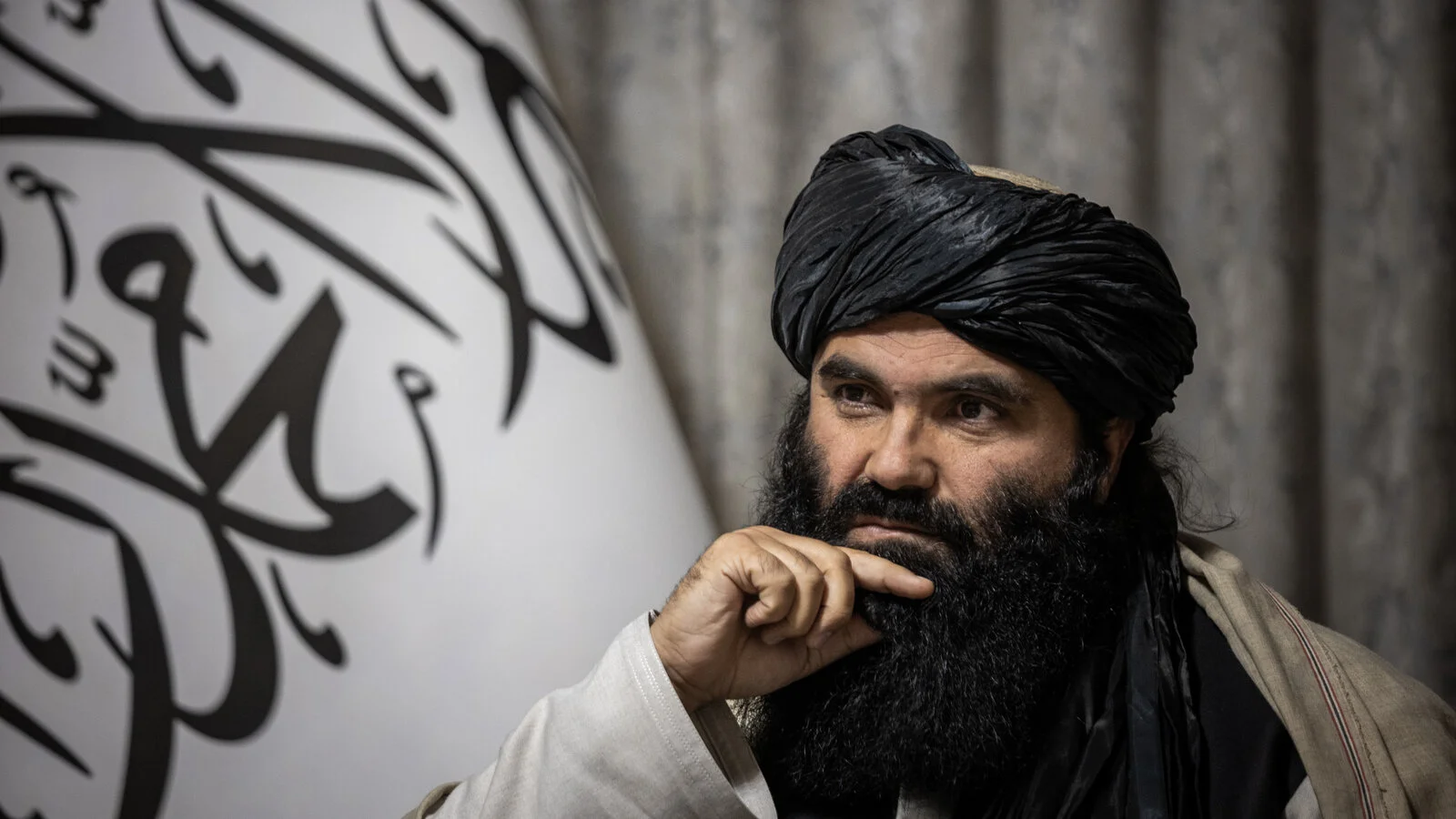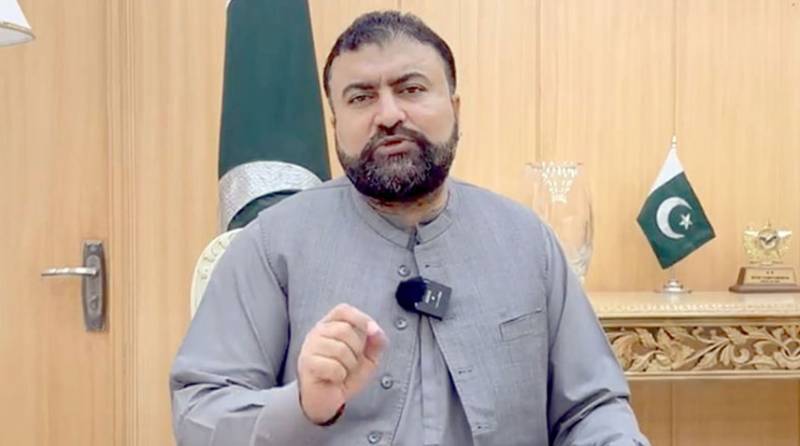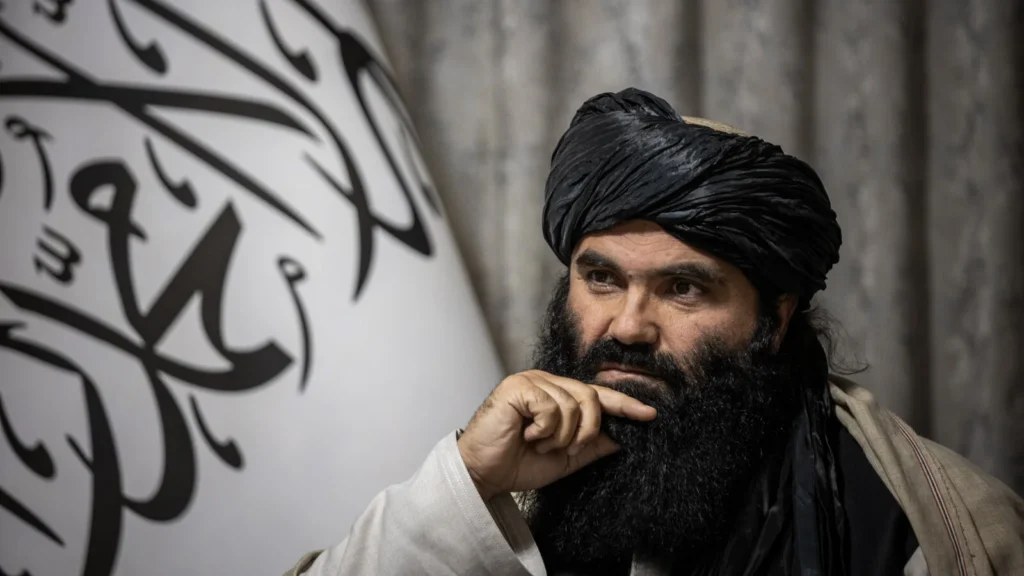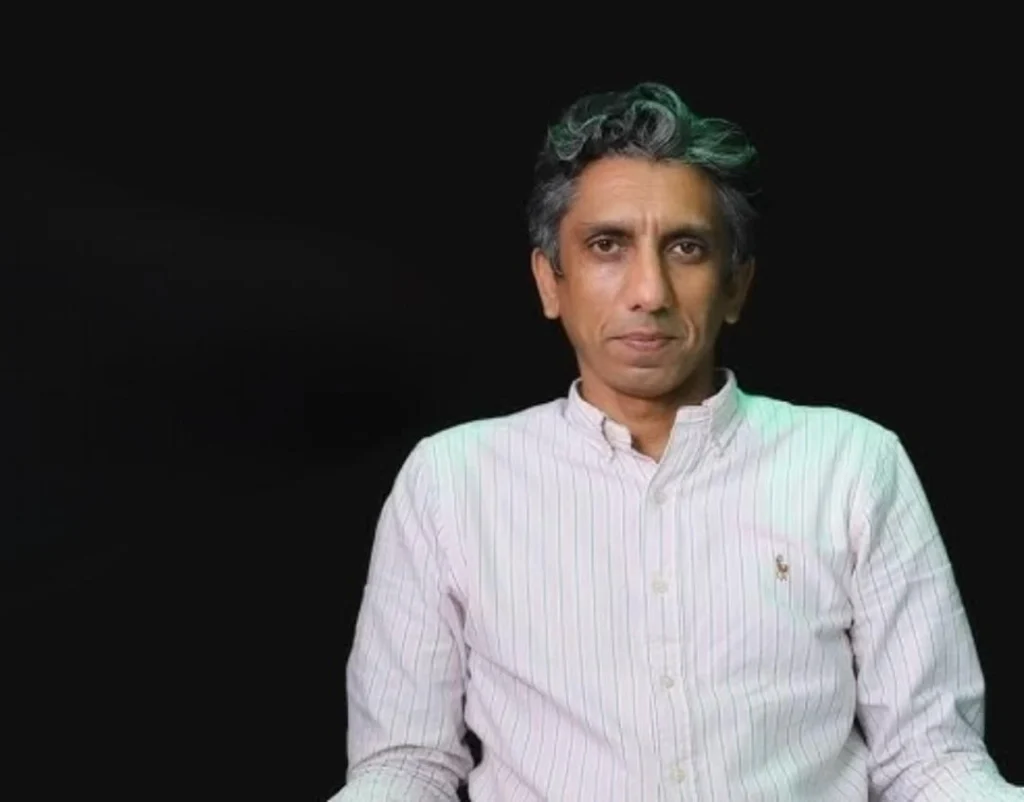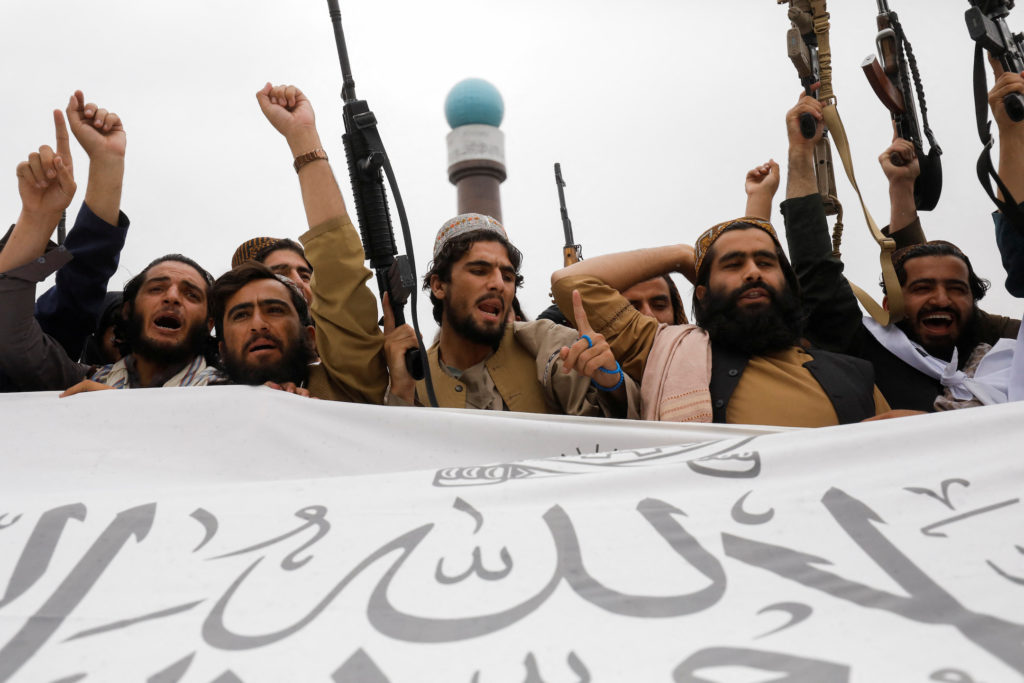
Mufti Abdul Rauf Etminan, the Taliban’s Grand Mufti, has issued a fatwa urging Pakistani religious scholars, politicians, and citizens to support militant groups like Tehreek-e-Taliban Pakistan (TTP) and Baloch Liberation Army (BLA) in attacks against Pakistan and its army.The explicit naming of both TTP and BLA is significant,as it brings together religiously and ethno-separatist violence under a single call,raising the stakes of regional security.
This move marks a dramatic shift from 2023, when the same Mufti clearly stated that cross-border attacks without state permission were not jihad but terrorism. Experts note that his earlier position aligned with established Islamic jurisprudence, where jihad is defensive and tied to legitimate authority. Today’s call contradicts that stance, raising concerns about political expediency being presented as religion.This reversal also raises question about internal coherence with the Taliban ‘s own religious and political messaging.
⭕️Taliban Grand Mufti Issues Jihad Fatwa Against Pakistan
— Pak-Afghan Matters (@pakafghanmatter) March 17, 2026
Mufti Abdul Rauf Etminan, the Taliban Grand Mufti, has called on religious scholars, politicians & people in Pakistan to support the TTP & BLA in attacks against Pakistan and its army.
🗣️In a video released today, he… pic.twitter.com/e5CjWNmRtI
In his recent video, Mufti Etminan claimed that Pakistani forces have “rebelled against Afghanistan” and called on all non-corrupt ulema in Pakistan to join the fight. Analysts say this is not defending Afghanistan but an endorsement of cross-border militancy, which risks destabilising the entire region.Framing a neighbouring Muslim state as legitimate target departs from traditional jurisprudential boundaries governing the use of force
Regional Security Concerns and Pakistan’s Response
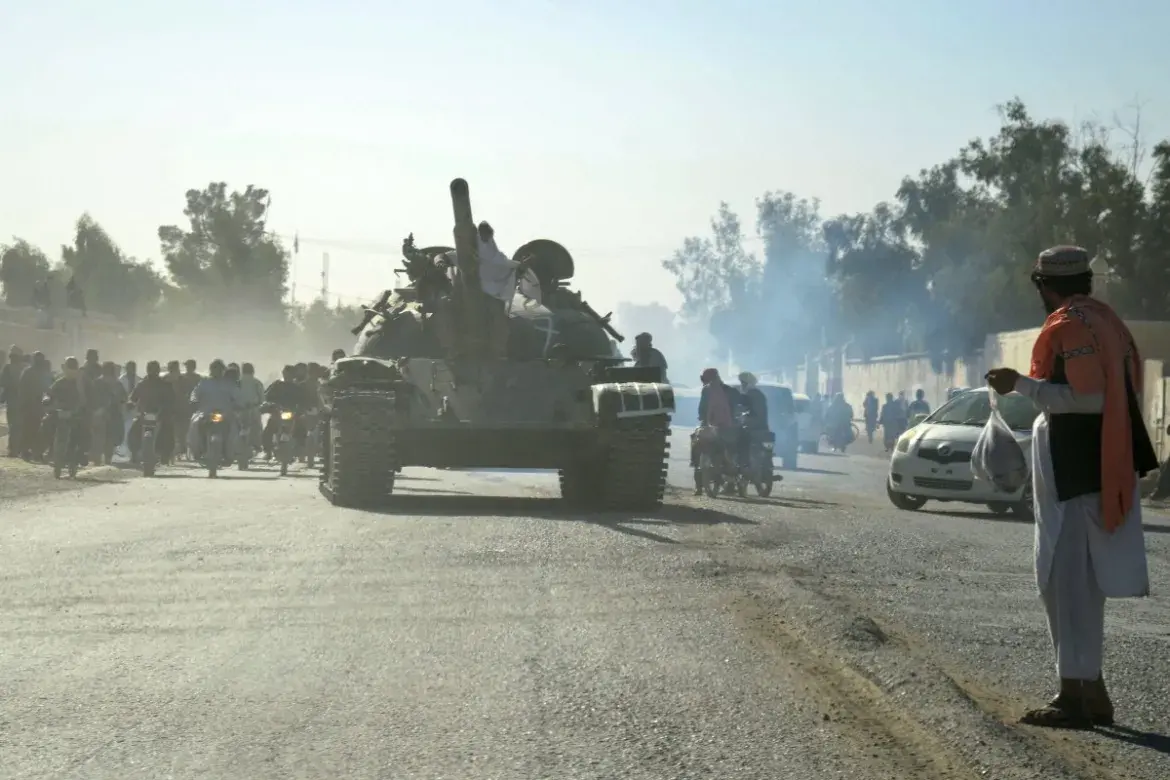
Pakistan continues to face attacks from TTP operating out of Afghan territory. This reality has been confirmed in multiple international assessments. Officials emphasize that Pakistan’s measures are a response to sustained cross-border attacks, not the cause of them.These dynamics have been central to the rise in cross-border tensions since 2021 ,with militant safe havens remaining a core point of contention.
While the fatwa signals ideological support for militancy, ground realities have forced some restraint. Both sides have indicated a temporary halt in escalation due to Eid, reflecting that even amid hardline statements, practical considerations prevent immediate escalation.Tgis pause highlights the gap between rehtorical escalation and operational realities on the ground.
Experts warn that issuing a fatwa in support of groups like TTP and BLA provides ideological cover for violent networks, reinforcing regional instability. Pakistan remains committed to defending its citizens and institutions while monitoring developments carefully.Such endorsements risk normalising violence as a policy tool rather than isolating it.
The recent statement by the Taliban Grand Mufti underlines the challenge posed by extremist factions using religious decrees for political purposes. It highlights the need for vigilance, clear information, and coordinated efforts to protect civilians and maintain stability in the region.It also Underscores the importance of addressing the root drivers of cross-border militancy rather than allowing them to be re framed through shifting narratives.