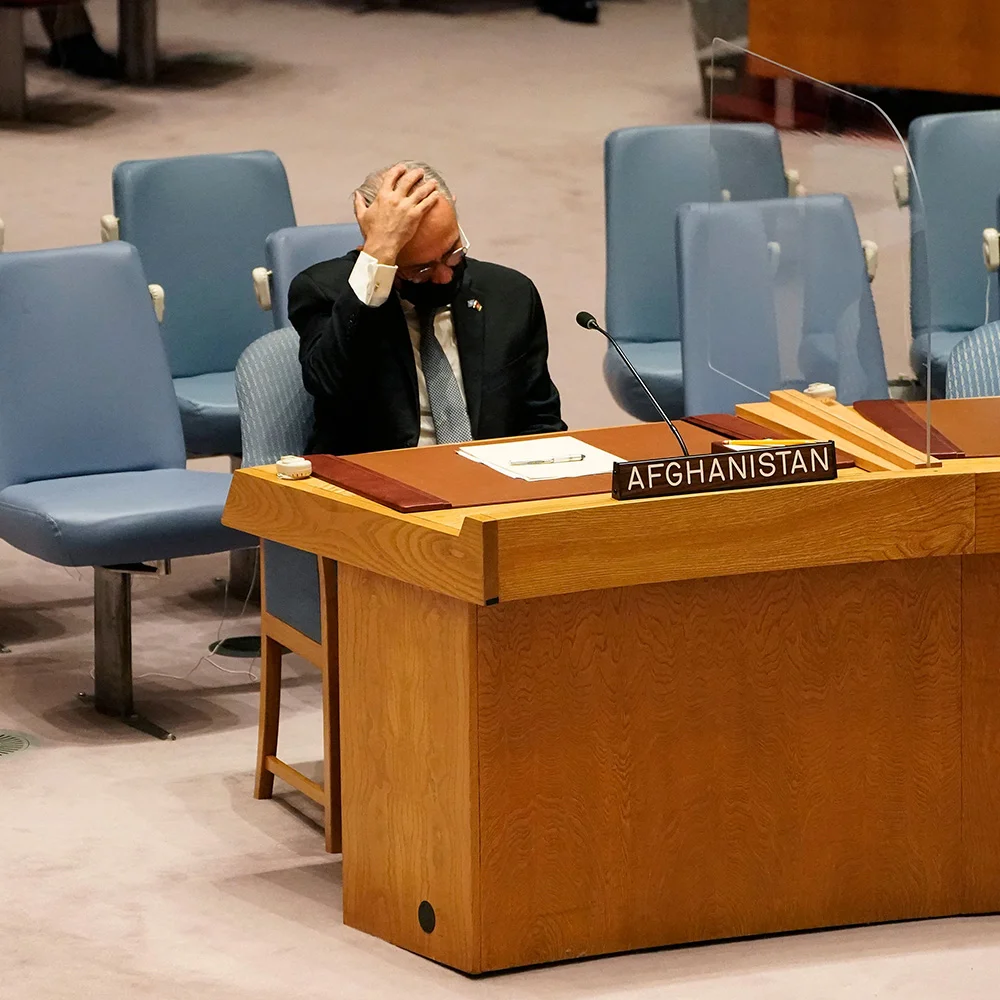
As the new Gregorian year begins, the Taliban have once again renewed their demand for Afghanistan’s seat at the United Nations, sharply criticizing the continued refusal to recognize their authority at the global body.
Sohail Shaheen, head of the Islamic Emirate’s embassy in Doha, said the denial of Afghanistan’s UN representation amounted to political pressure.
The demand itself is not new. Since 2021, the Taliban, who rule Afghanistan as de facto authorities, have formally requested control of the UN seat every year.
In September 2021, they nominated Sohail Shaheen as their envoy, but the UN Credentials Committee has deferred the request for the fourth consecutive year.
ویدیو: همزمان با آغاز سال نو میلادی، سهیل شاهین، سرپرست سفارت امارتاسلامی در دوحه، بار دیگر از سپردهنشدن کرسی نمایندگیافغانستان در سازمانمللمتحد به امارتاسلامی انتقاد کرد.#طلوعنیوز pic.twitter.com/ntclTAS9Oj
— TOLOnews (@TOLOnews) January 1, 2026
Afghanistan’s UN seat remains in limbo. The Taliban nominee remains unrecognized, while Naseer Ahmad Faiq, a diplomat appointed before August 2021, continues to serve as chargé d’affaires at Afghanistan’s Permanent Mission in New York.
In Geneva, Nasir Ahmad Andisha, also appointed by the former government, still represents Afghanistan.
The UN has defaulted to maintaining the status quo and continues to refer to the Taliban as “de facto authorities,” not a recognized government.
This arrangement has practical consequences. Afghanistan currently has no voting rights in the UN General Assembly, reflecting its unresolved political status.
The international community has linked recognition to clear conditions, including inclusive governance, respect for women’s and girls’ rights, and adherence to international law.
While some countries engage with the Taliban and accept limited diplomatic accreditation, the UN position remains firm.
As long as bans on girls’ education, restrictions on women, and broader human rights violations persist, renewed criticism from Doha is unlikely to alter the outcome.
Read more: ATC Hands Life Sentences to Adil Raja, Haider Mehdi and Others in Digital Terrorism Case