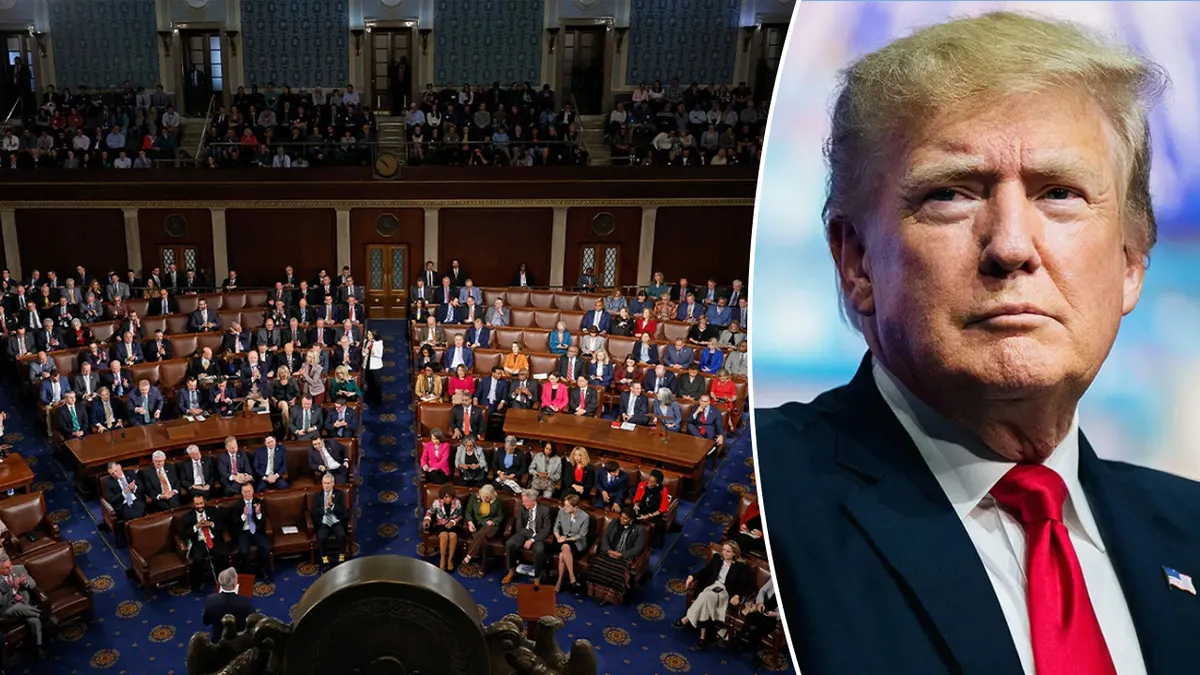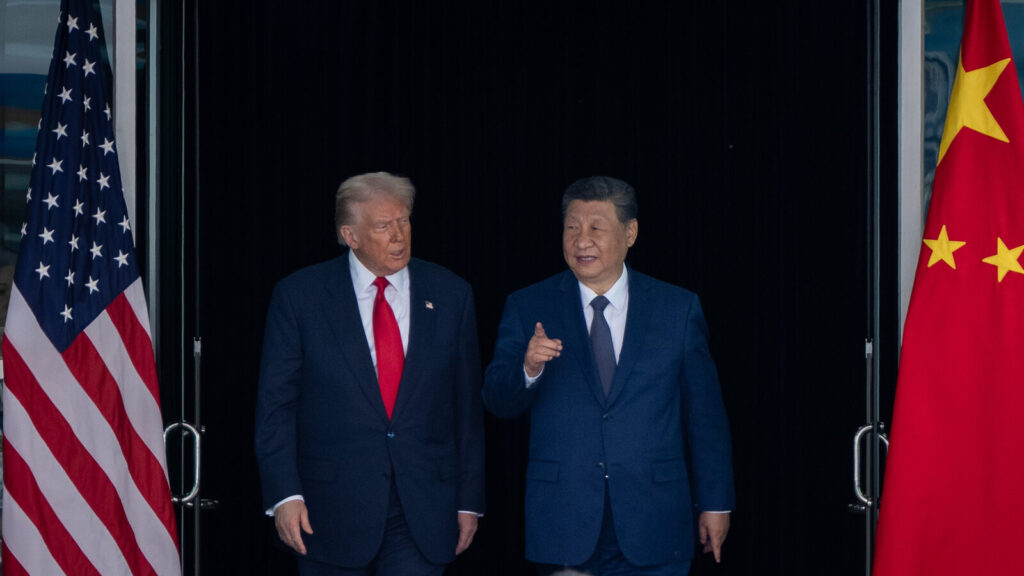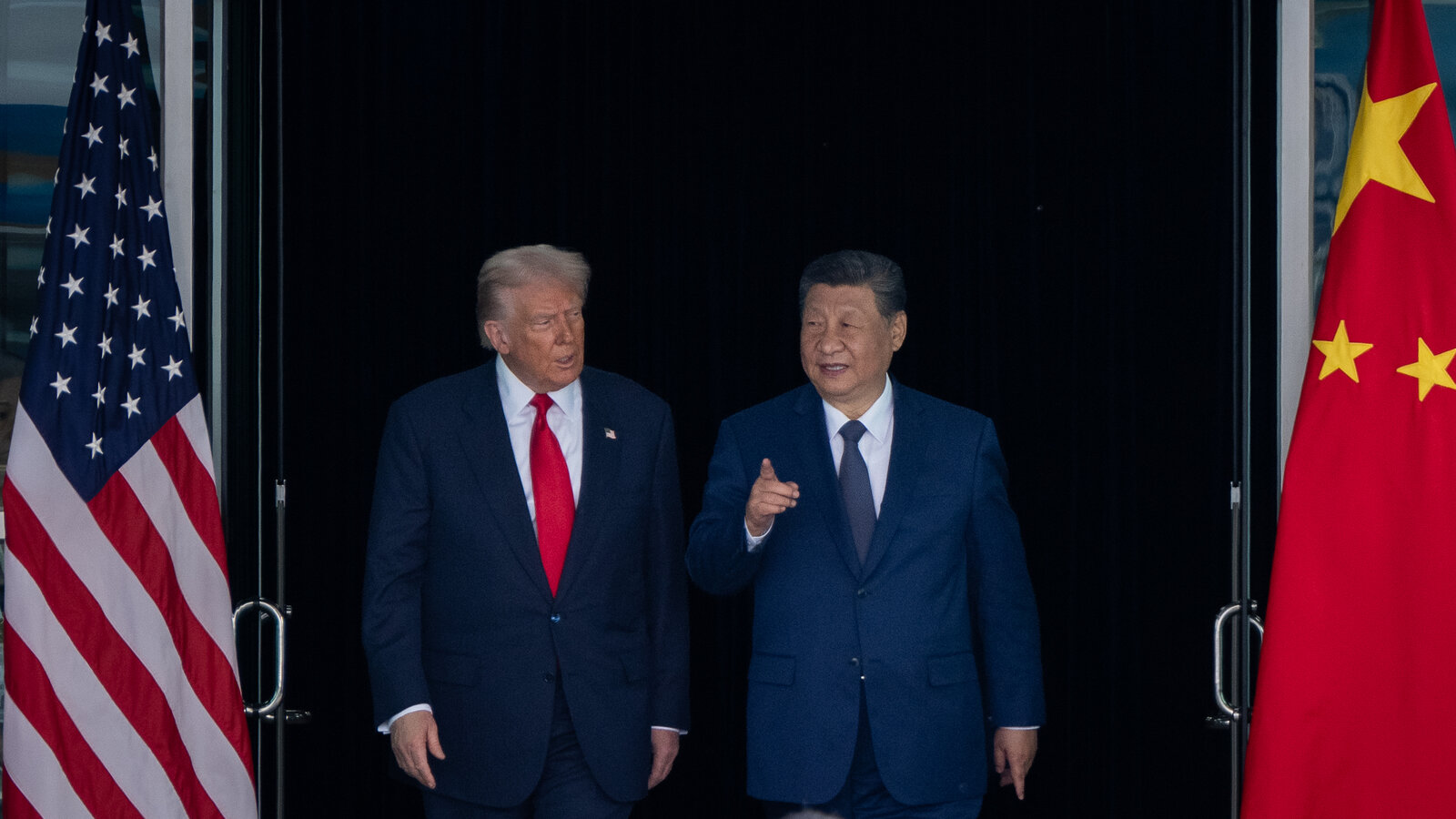
The White House has confirmed that U.S. President Donald Trump will travel to China from March 31 to April 2. The visit comes after a phone call with Chinese President Xi Jinping earlier this month, during which Trump described the U.S.-China relationship as “extremely good.” The announcement signals a continuation of high-level engagement between Washington and Beijing, with both sides expected to discuss trade, security, and regional cooperation.
The timing of the visit is significant, as it reflects ongoing efforts to stabilize ties between the world’s two largest economies. While relations have faced challenges in recent years, both leaders have emphasized the importance of dialogue and cooperation. Trump’s upcoming trip is expected to include meetings with senior Chinese officials and possibly new agreements aimed at strengthening bilateral ties.
The U.S.-China relationship has long been one of the most important in global politics, influencing trade flows, security arrangements, and international diplomacy. Trump’s statement about the relationship being “extremely good” highlights a positive tone ahead of the visit. Analysts suggest that the trip could focus on economic cooperation, technology exchanges, and regional stability, particularly in Asia-Pacific.
At the same time, the visit comes against a backdrop of global uncertainty, with both countries seeking to balance competition and cooperation. For China, hosting the U.S. president provides an opportunity to showcase its role as a global power. For the United States, the trip underscores the importance of maintaining constructive ties with Beijing to address shared challenges.
In conclusion, Trump’s scheduled visit to China represents a key moment in U.S.-China relations. While details of the agenda remain limited, the emphasis on strong ties and mutual respect suggests that both sides are committed to keeping the relationship on a positive track.
Read More Congress Moves Toward Granting Trump Authority for Potential Middle East Conflict