Skip to content
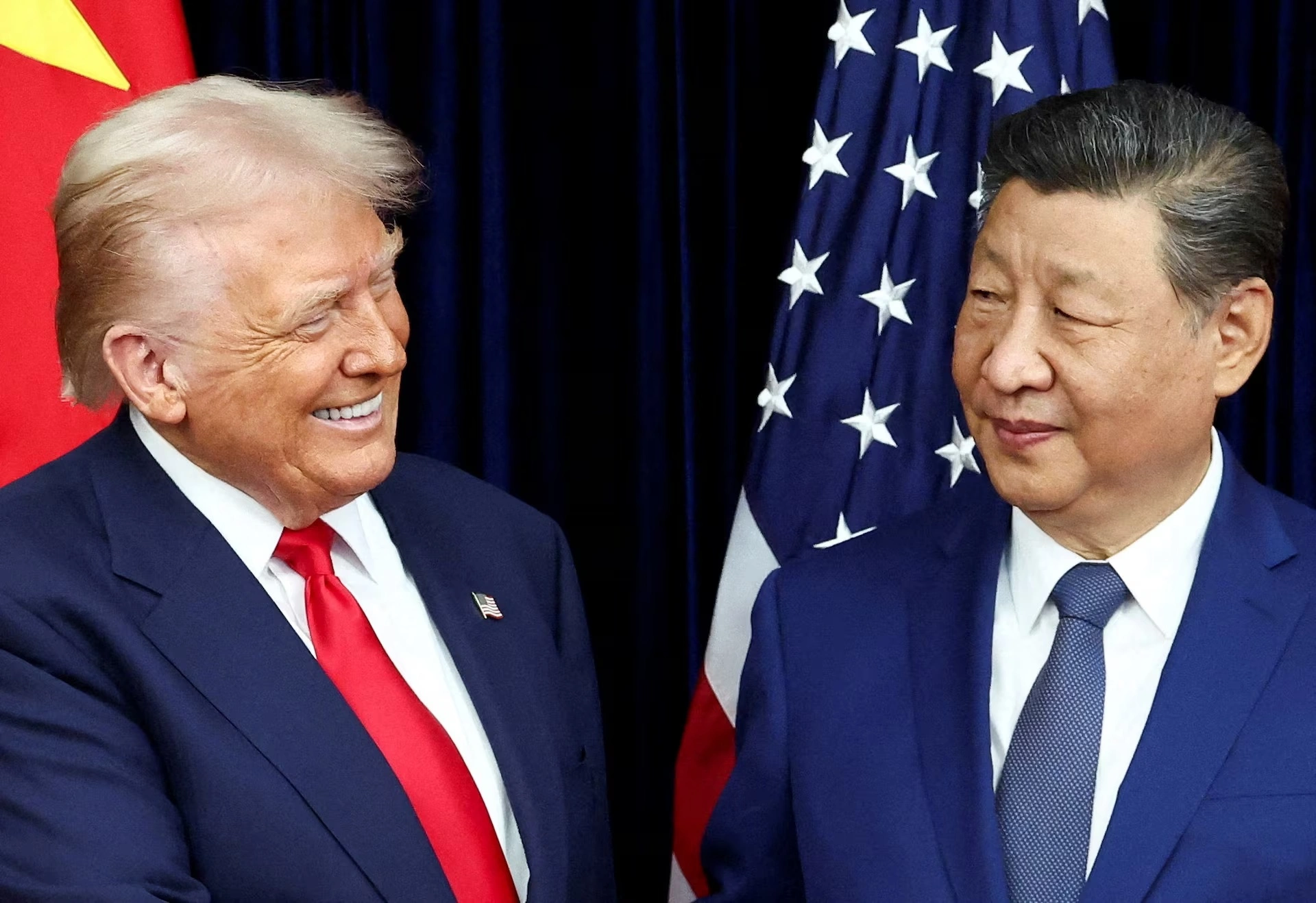
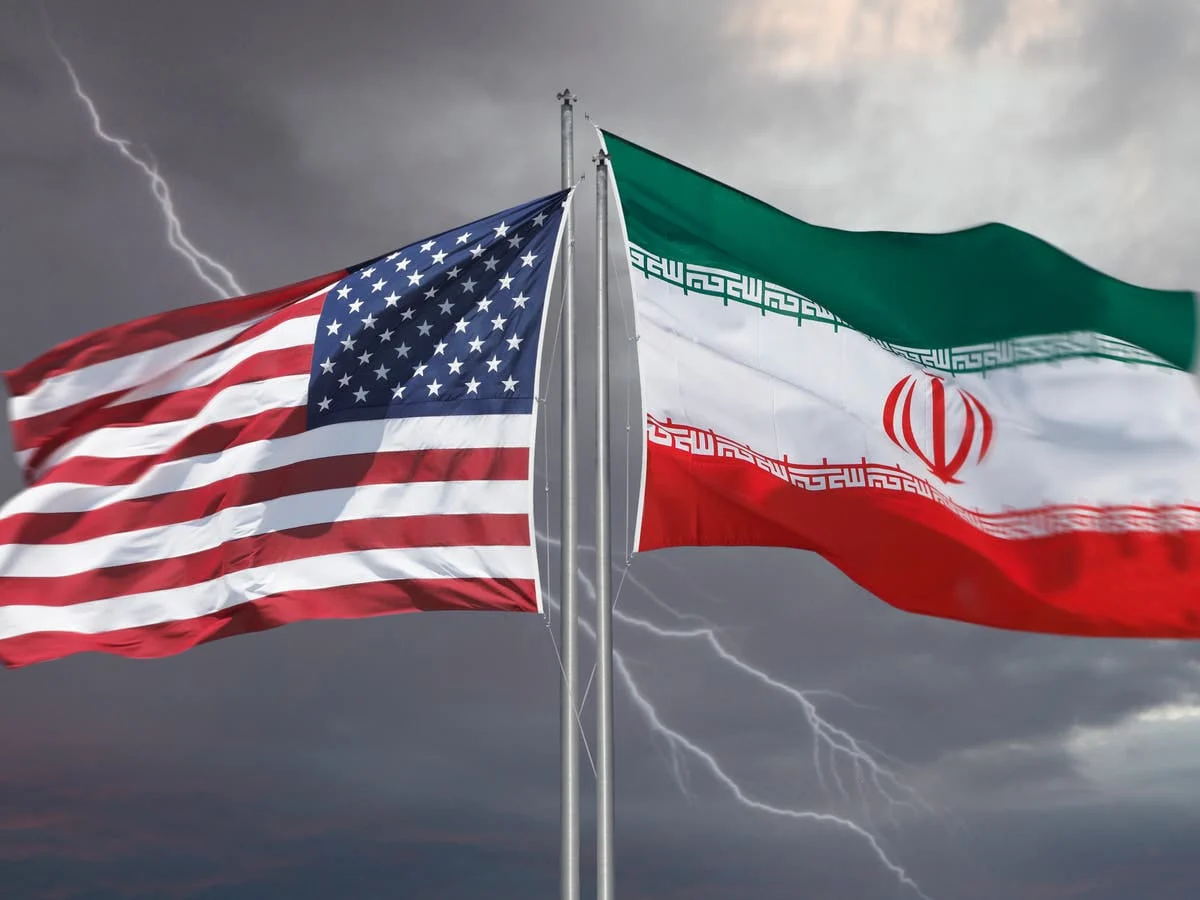
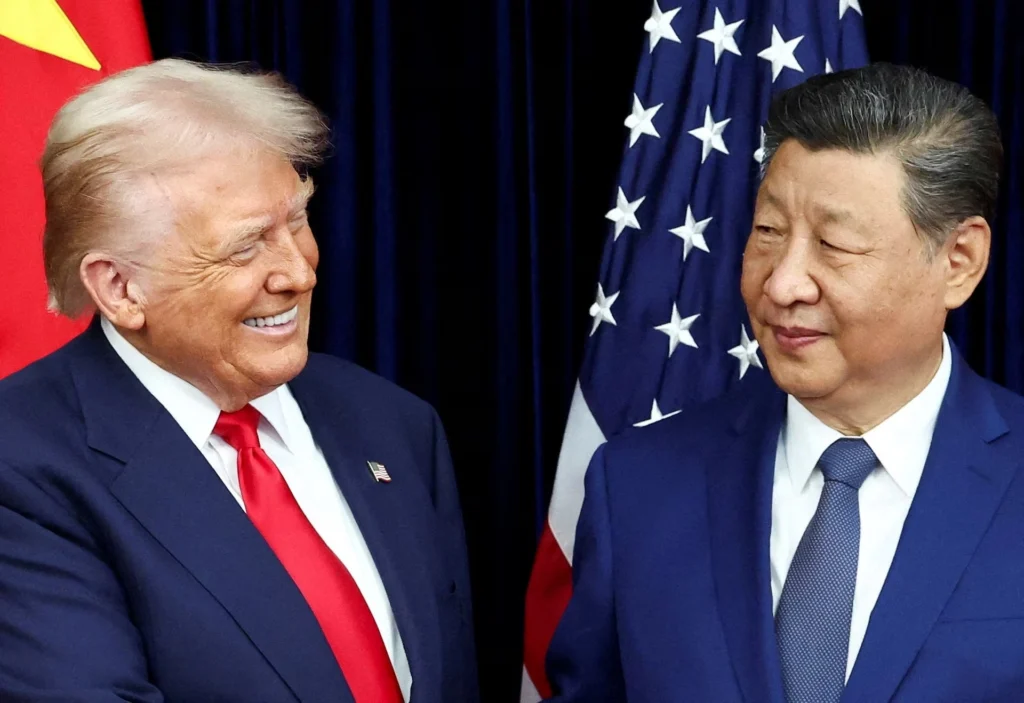
WASHINGTON — US President Donald Trump is set to travel to China in mid-May for a highly anticipated meeting with Chinese President Xi Jinping, following a delay caused by the ongoing conflict with Iran. The visit, now scheduled for May 14–15, will mark Trump’s first trip to China in eight years.
The trip was initially planned for earlier but was postponed as Washington became increasingly engaged in the Middle East crisis. Officials say the rescheduling reflects Trump’s intent to balance his administration’s involvement in the Iran war while maintaining diplomatic momentum with Beijing.
In a post on Truth Social, Trump confirmed the new dates and said preparations for the visit are underway. He also revealed plans to host Xi Jinping in Washington later this year, signaling a continuation of high-level engagement between the two global powers.
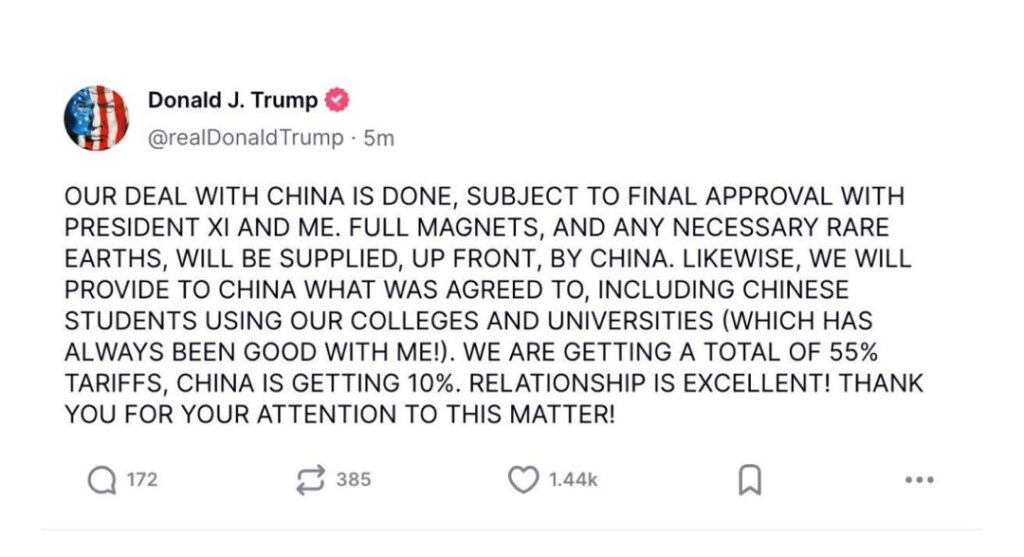
“Our teams are finalizing arrangements for what will be an important and historic set of meetings,” Trump said, expressing optimism about the upcoming discussions.
China’s embassy has not provided details regarding the visit, in line with Beijing’s usual practice of limiting advance disclosure of the president’s schedule.
The trip comes at a complex moment in US-China relations. Efforts by Washington to recalibrate ties in the Asia-Pacific region have repeatedly been affected by global developments, including economic disputes and geopolitical tensions.
Earlier this year, a US Supreme Court decision limiting tariff powers affected Washington’s leverage in trade negotiations with China. At the same time, US military coordination with Israel in operations targeting Iran has added another layer of strain, given China’s economic ties with Tehran.
Trump last visited China in 2017, and the upcoming trip will be the first in-person engagement between the two leaders since their meeting in South Korea last October, where they agreed to ease trade tensions.
The visit is expected to combine ceremonial diplomacy with substantive negotiations. While both sides may reach agreements in areas such as agriculture and aviation, major points of disagreement—including Taiwan—are likely to remain unresolved.
Tensions over Taiwan have intensified during Trump’s second term, particularly due to increased US arms sales to the island, a move strongly opposed by Beijing, which considers Taiwan part of its territory.
Meanwhile, uncertainty remains over whether the Iran conflict will subside before the visit takes place. The war has already impacted global markets and energy flows.
Trump has sought cooperation from major oil-consuming nations, including China, to counter potential disruptions in the Strait of Hormuz. However, Beijing has yet to respond directly to these requests, despite being the world’s largest oil importer.
White House officials indicated that the timeline for de-escalation in the Middle East remains uncertain. Press Secretary Karoline Leavitt said estimates suggest the situation could evolve over several weeks, adding that Xi Jinping understood the reasons behind the postponement.
“President Xi recognized the importance of President Trump remaining in Washington during ongoing military operations,” she said.