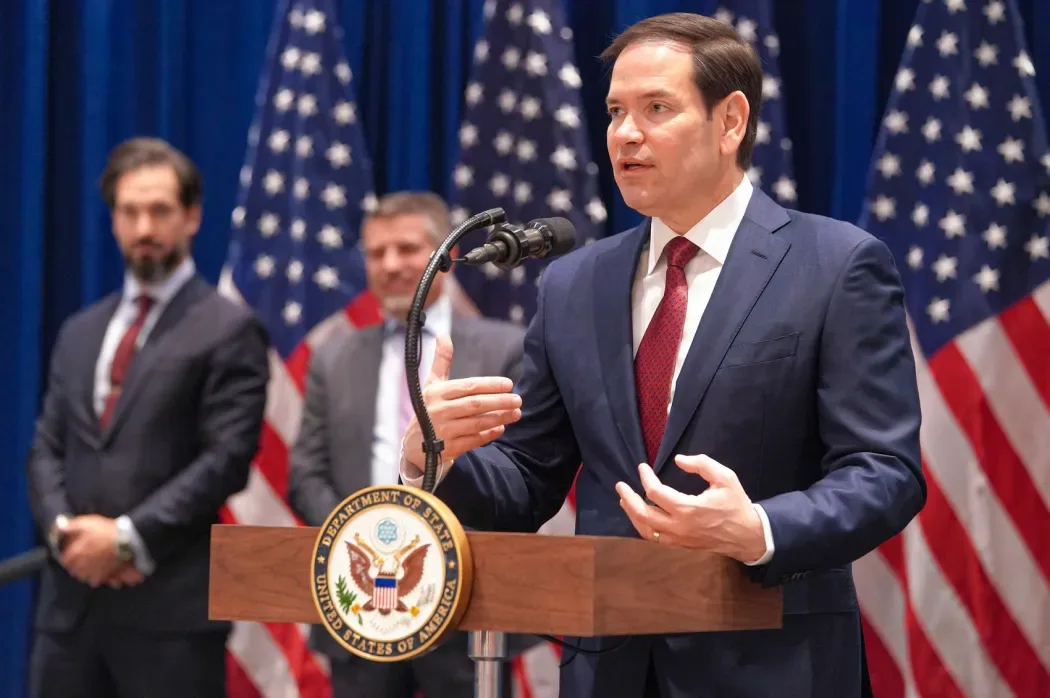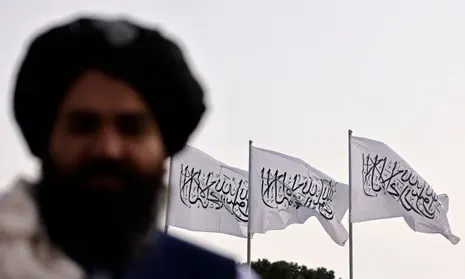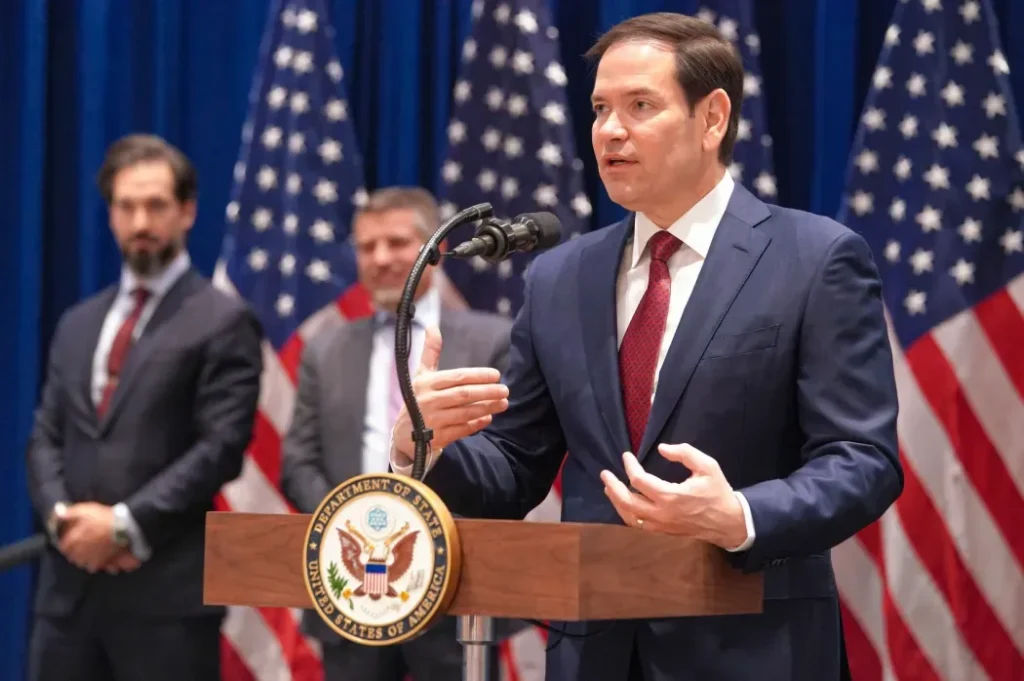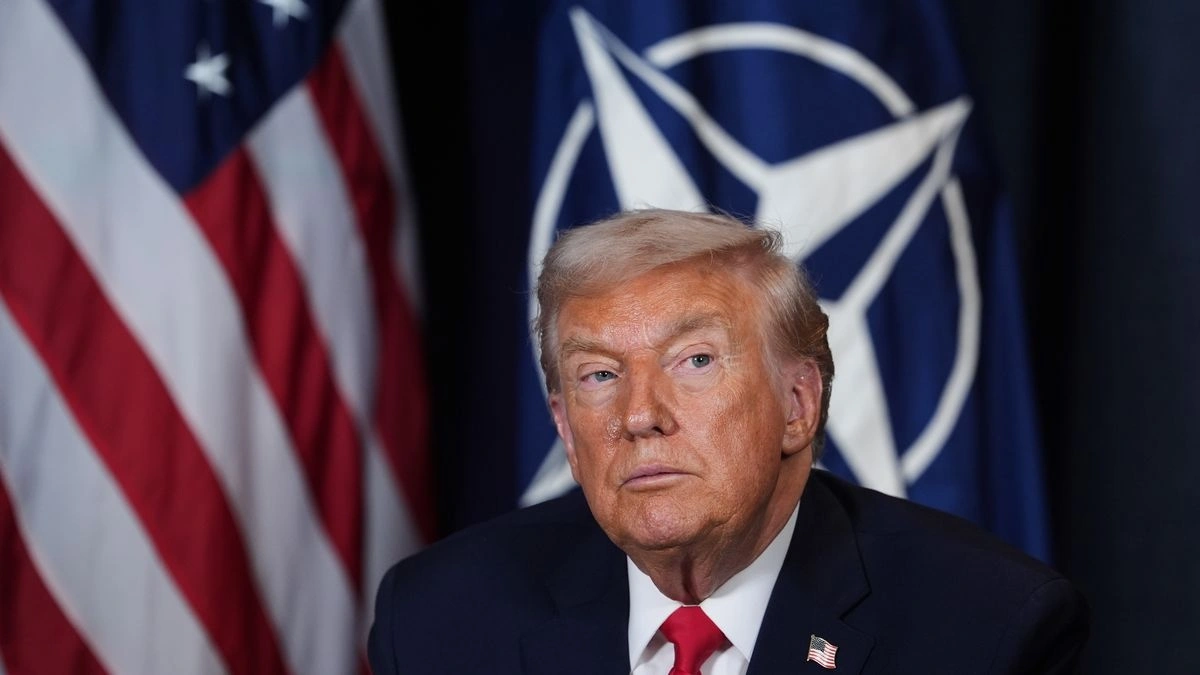
At the 2026 World Economic Forum in Davos, US President Donald Trump sharply criticized the role of NATO allies in the war in Afghanistan, claiming that non-American forces were largely absent from the frontline. His remarks have triggered strong reactions from European leaders who insist that NATO member states played a significant part in military operations.
Trump argued that the contribution of NATO allies in Afghanistan has been overstated, highlighting what he perceives as a disproportionate burden on the United States. According to him, while American troops faced the brunt of combat and operational risks, other NATO forces were often stationed away from active combat zones. He framed his comments as evidence that the alliance has not fully shared responsibility in one of the longest conflicts in US history.
European Response
European leaders swiftly rejected Trump’s claims, emphasizing that NATO operations were a joint effort, with thousands of troops from the UK, Germany, France, and other member states participating in combat, training, and stabilization missions. They described Trump’s statements as a distorted view of coalition efforts that undermines the alliance’s credibility.
Strategic Implications
Analysts suggest Trump’s remarks reflect broader tensions within the US -led alliance over cost-sharing, troop deployments, and historical narratives of responsibility. By downplaying NATO’s role, Trump reinforces his long-standing political narrative of “America bearing too much of the world’s burden,” which has been central to his foreign policy rhetoric.
The criticism comes at a time when NATO’s role in global security is being reassessed, particularly in conflict zones like Ukraine and Afghanistan. Experts warn that public disputes over historical contributions could affect future cooperation and trust among alliance members.
Conclusio
Trump’s statements at Davos have once again highlighted tensions between the US and its European allies, raising questions about accountability, military burden-sharing, and how the story of Afghanistan’s conflict will be told in the coming years.
Read more : UN Deputy Meets Taliban Foreign Minister, Highlights Exclusion of Women