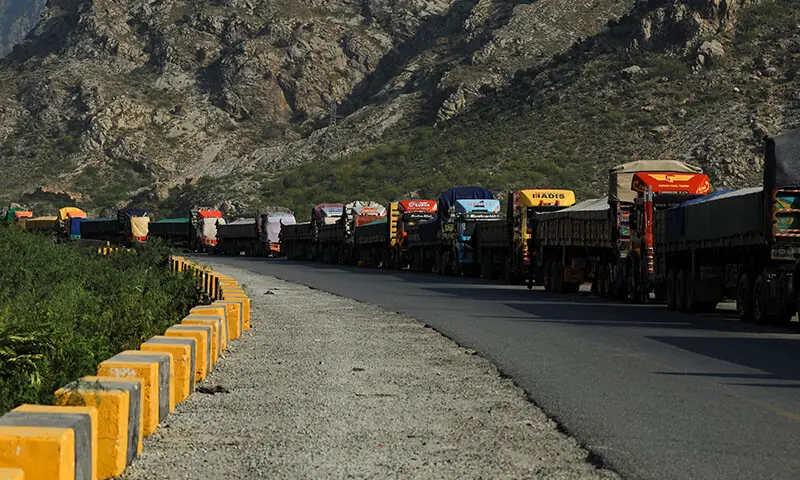
Afghanistan is suffering major economic losses due to border closures with Pakistan, according to the latest UN Security Council Report S/2025/796, which warns that the Afghan economy is already fragile and cannot absorb additional shocks.
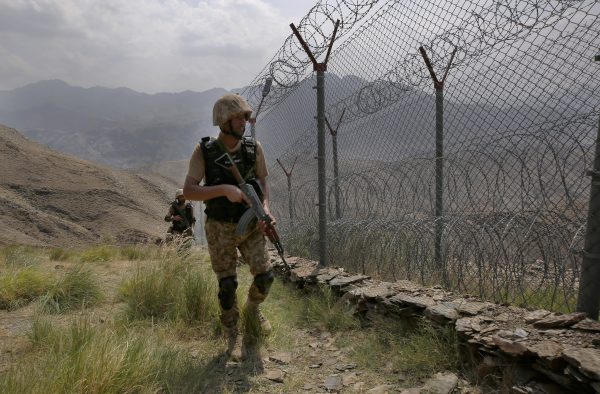
The report states that “the closure of border crossings with Pakistan is estimated to cost the Afghan economy around $1 million per day.”
A fragile economy hit by regional tensions
The UN report describes Afghanistan’s economy as “resilient but weak” and says it is under severe pressure from declining aid, high unemployment, rising poverty and forced returns from neighboring countries.
It highlights that “in the first half of 2025, gross domestic product fell by 6.5 percent” and that “more than 90 percent of the population lives below the poverty line.”
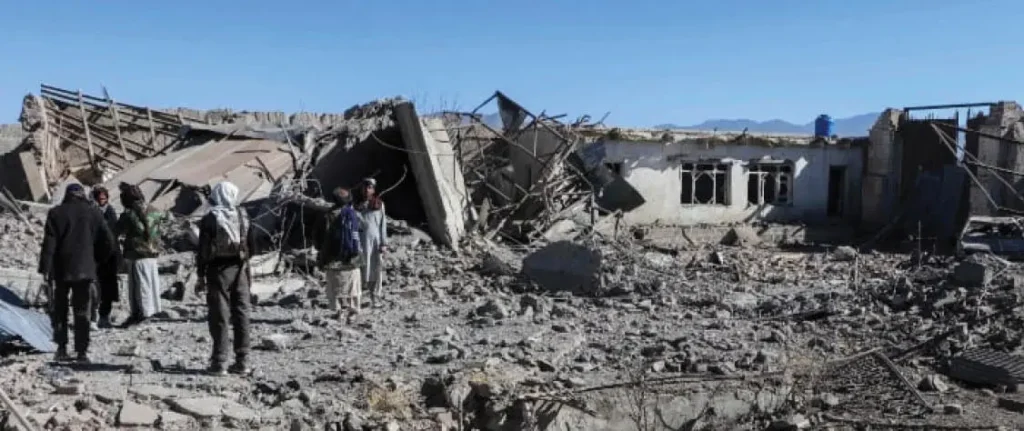
The report says that over 70 percent of Afghans rely on humanitarian assistance and that the sudden return of over 4.5 million Afghans since October 2023 has placed additional strain on already limited resources.
It adds that “geopolitical tensions are disrupting trade and deterring investment,” with Pakistan remaining Afghanistan’s most important land trade route.
UN analysts link the current border disruption directly to rising cross-border attacks from Afghan soil.
The report notes that “TTP has conducted numerous high-profile attacks against Pakistan from Afghan territory,” which triggered Pakistan’s security measures and border shutdowns.
UN: Taliban claims on terror presence ‘not credible’
The report says the Taliban continue to deny the presence of terrorist groups inside Afghanistan. However, the UN rejects these claims, saying they are “not credible.”
It states that more than 20 terrorist organizations remain active and that the Taliban leadership has shown “an unwillingness or inability” to act against the Tehrik-e Taliban Pakistan.
The report says that “the Taliban are unlikely to confront or act against TTP. Even should they wish to, they may lack the ability to do so.” Its further states that continued militant activity has increased tensions with Pakistan and contributed to border closures that have harmed ordinary Afghans.
The UN findings underline that stability cannot be achieved through control alone.
Regional peace depends on credible counterterror action and cooperation with neighboring countries. Without this, Afghanistan’s economic losses will continue to grow, and the region will remain at risk.
Read more: Terror Networks Still Thrive Under Taliban Rule, UN Warns—Pakistan Faces the Direct Fallout