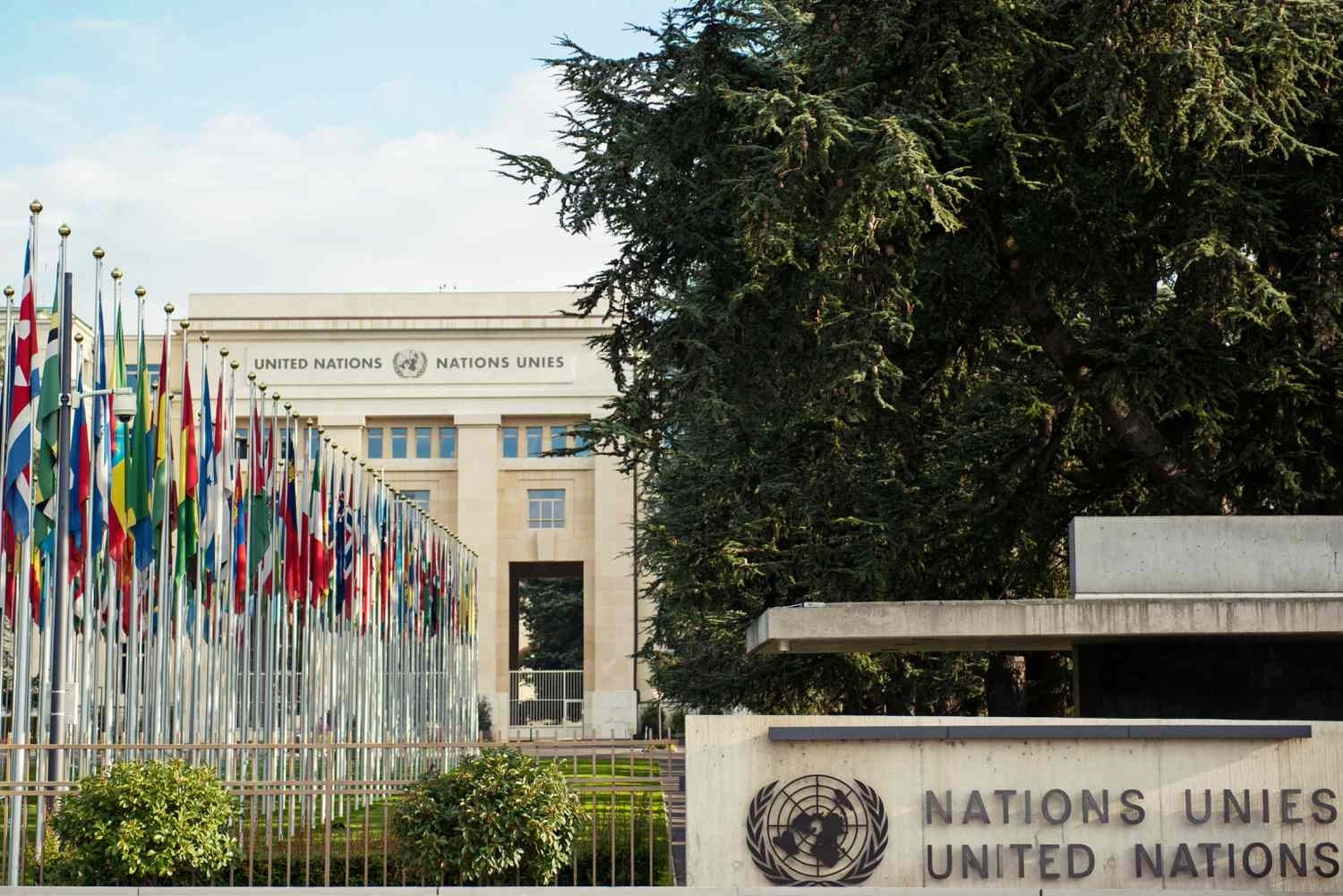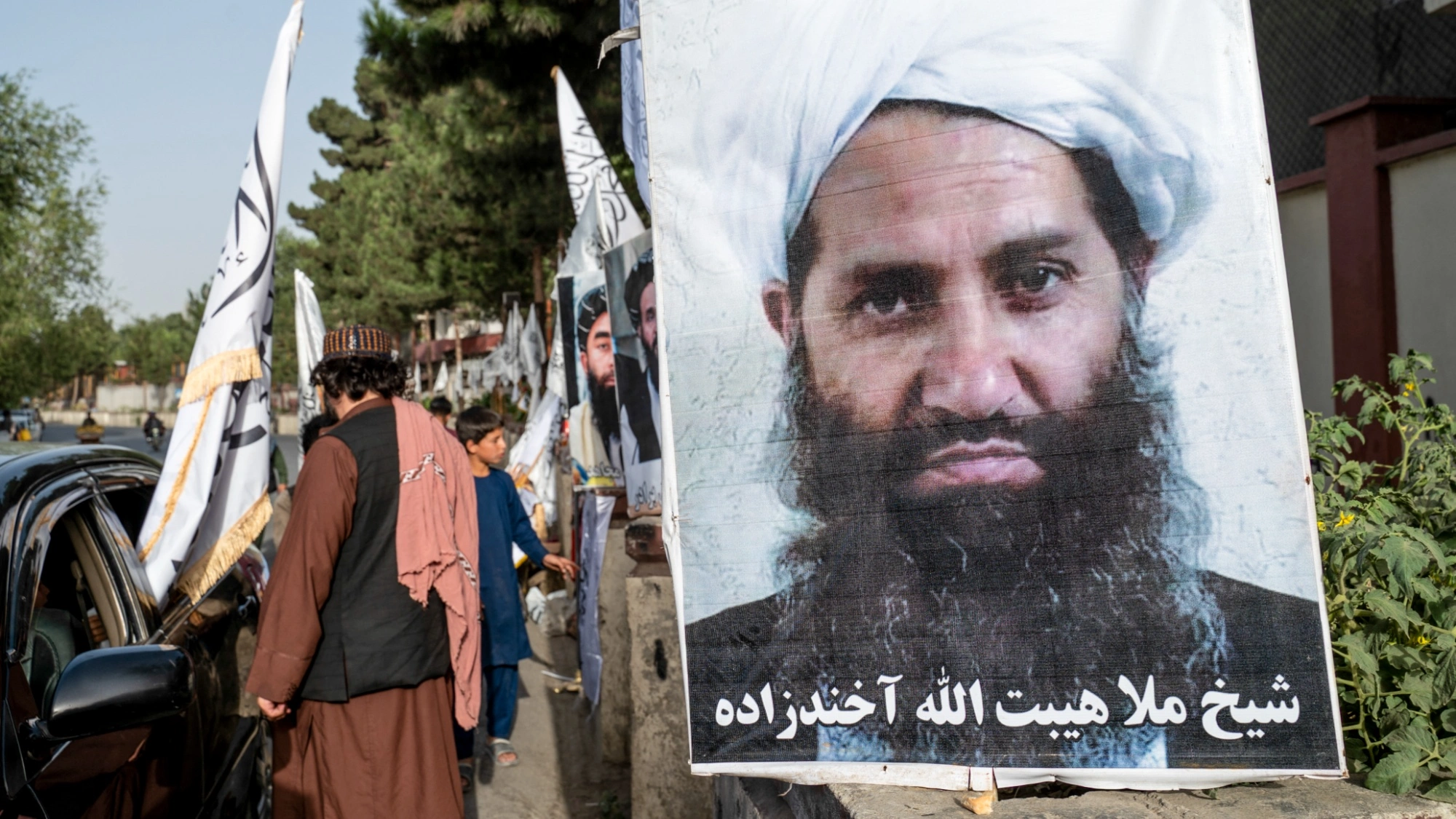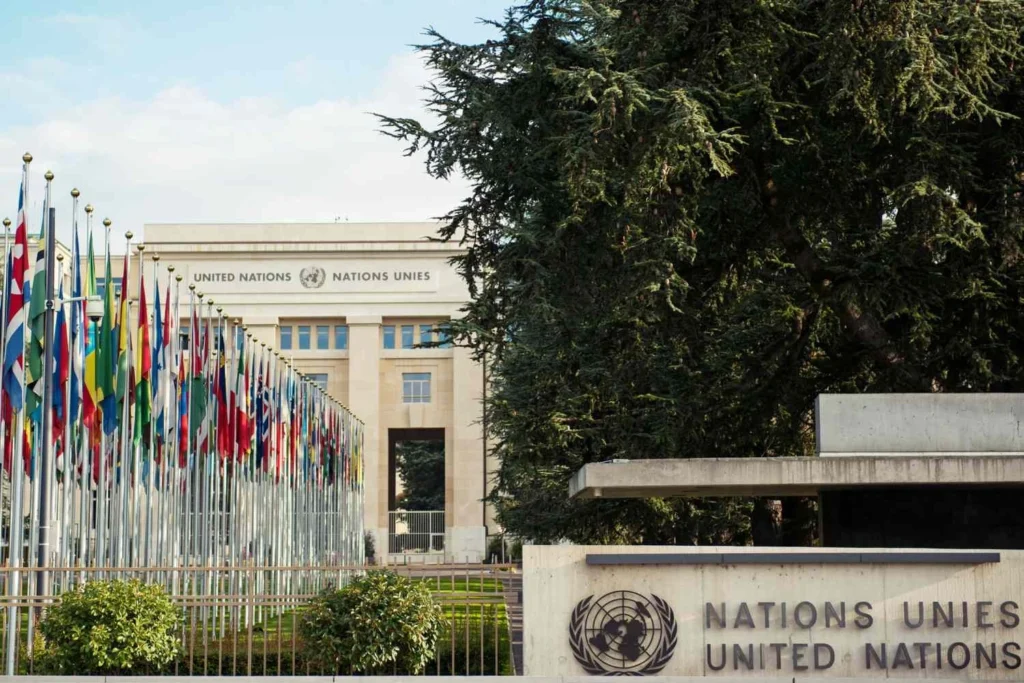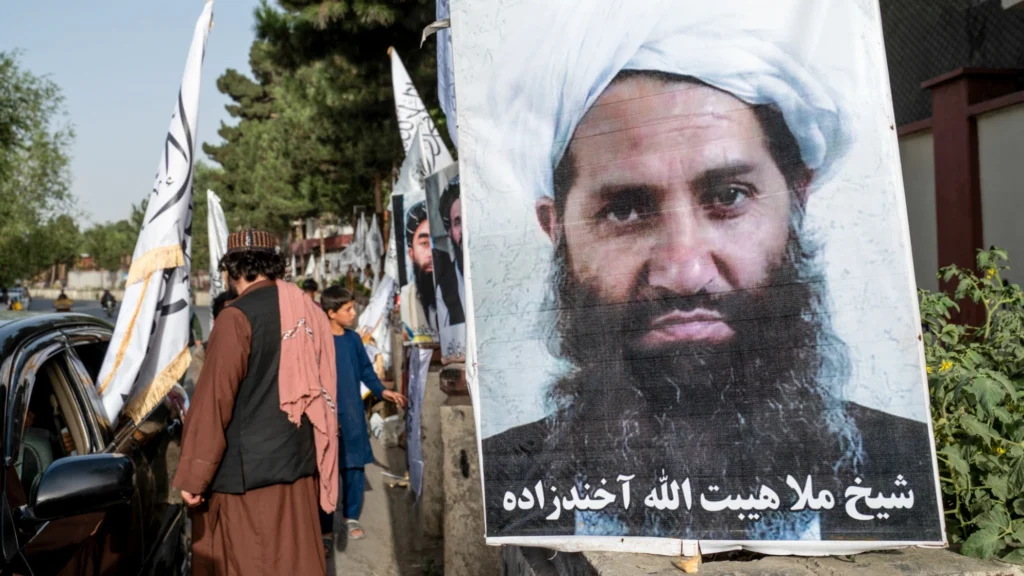
The United Nations Security Council recently updated its sanctions list targeting 22 senior leaders of the Taliban, including travel bans, asset freezes, and arms embargoes, in an effort to curb the group’s violent activities and control over Afghanistan.
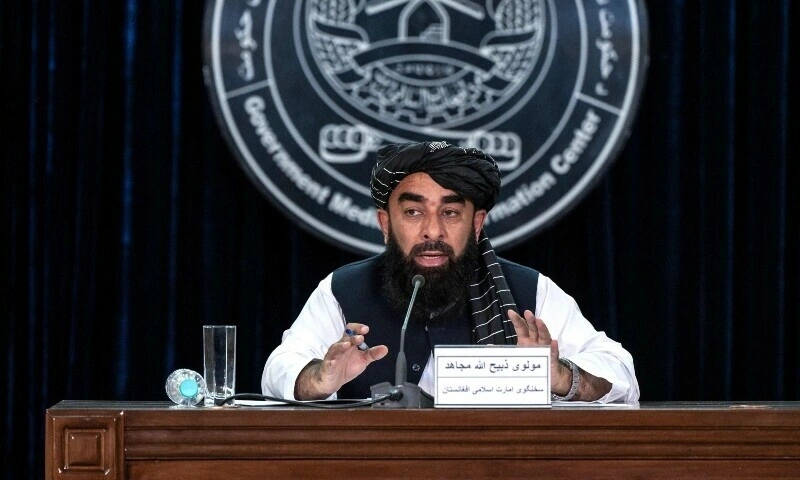
In response, Zabihullah Mujahid, the Taliban’s spokesperson, condemned the sanctions, claiming that they violate the “rights” of individuals and unfairly harm ordinary Afghan citizens. He called on the international community to remove the restrictions, portraying the sanctions as ineffective.
Human rights observers and analysts, however, warn that the statements by Mujahid are misleading. The sanctions aim to hold accountable the leaders responsible for systematic human rights abuses, including the repression of women, persecution of minorities, and restrictions on education and freedom of speech. Experts note that while sanctions may have indirect effects on the population, they are designed to pressure the Taliban leadership, who continue to consolidate power through violence and intimidation.
This development highlights the ongoing struggle between the international community’s attempts to limit the Taliban’s influence and the group’s efforts to legitimize its rule. Despite the sanctions, Afghanistan continues to face widespread civil liberties violations and humanitarian crises, as the Taliban remains in control of governance and security.
The UN and human rights organizations insist that targeted measures, such as asset freezes and travel bans, are essential to restrict the leadership’s ability to fund militant operations and evade international accountability, while sending a clear signal that violations of human rights will not go unchallenged.
Read more :UN Tightens Sanctions on Taliban Leaders as Global Concern Grows