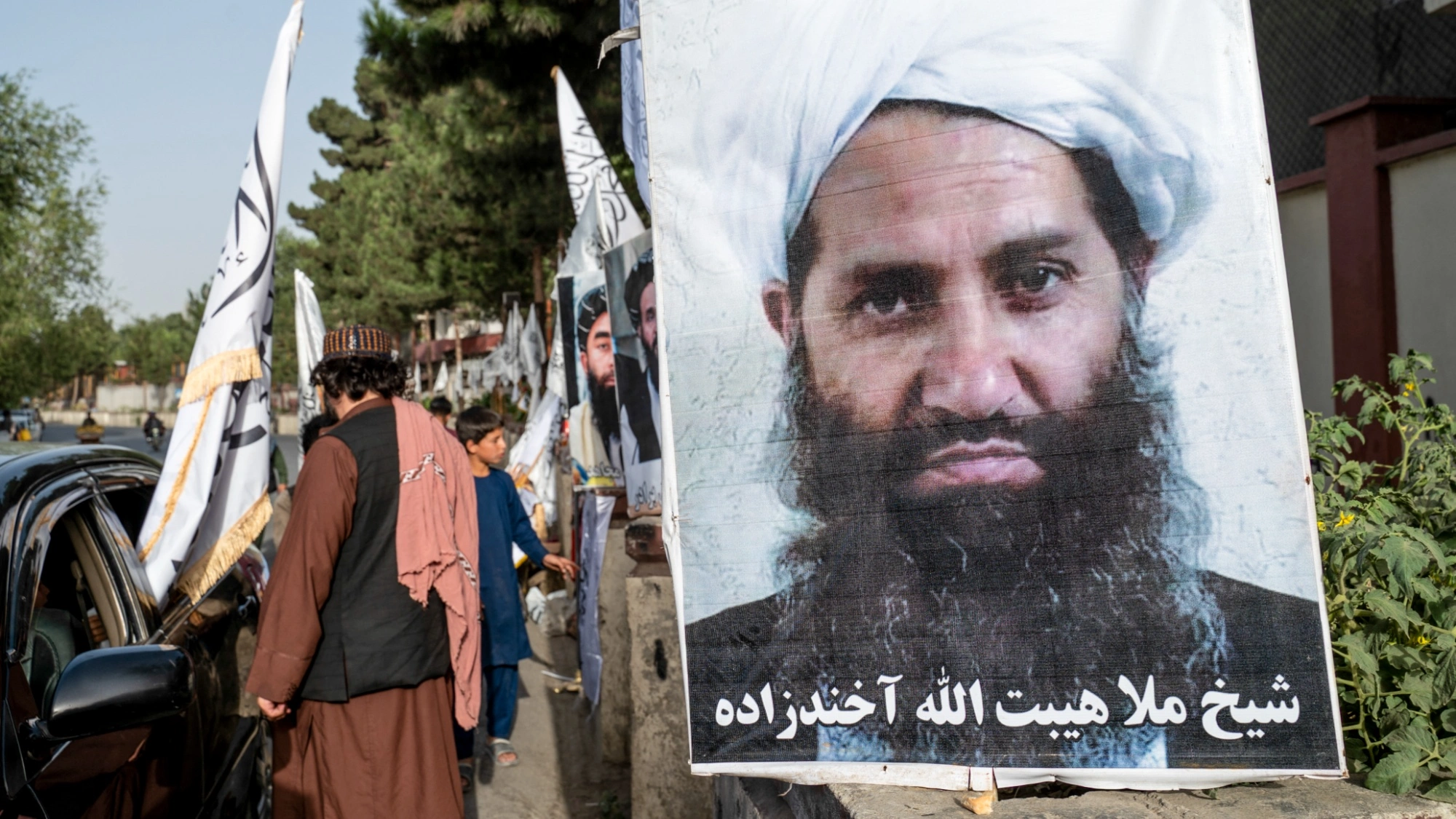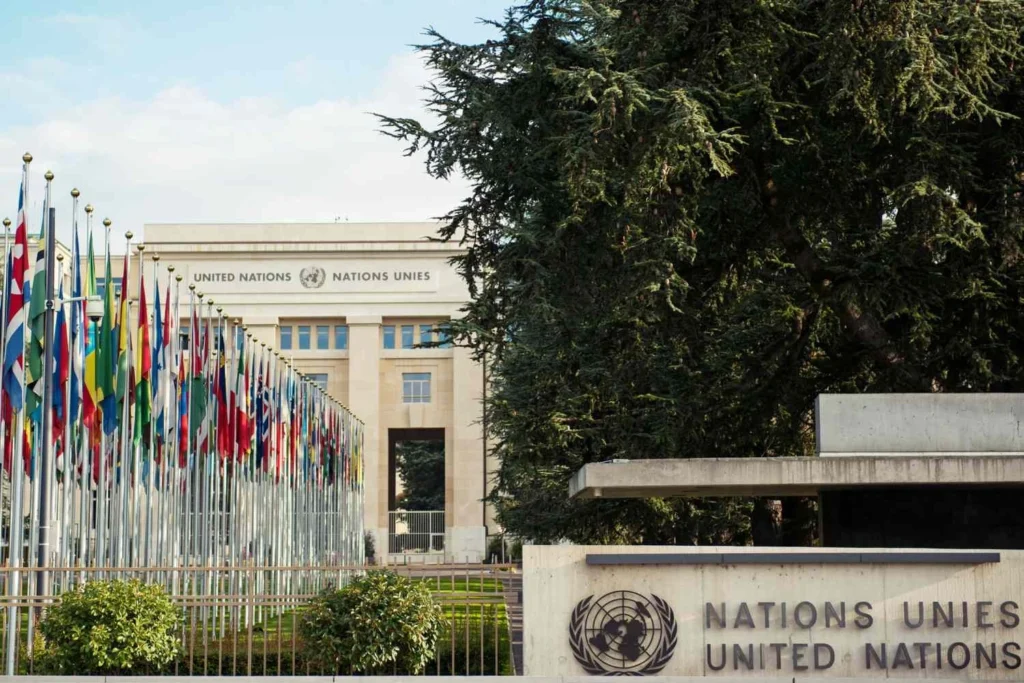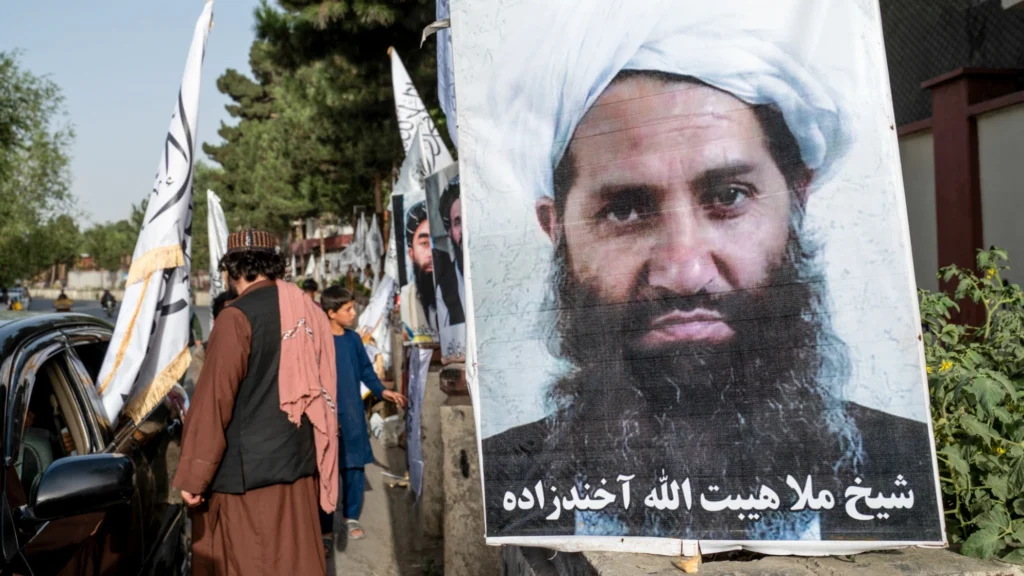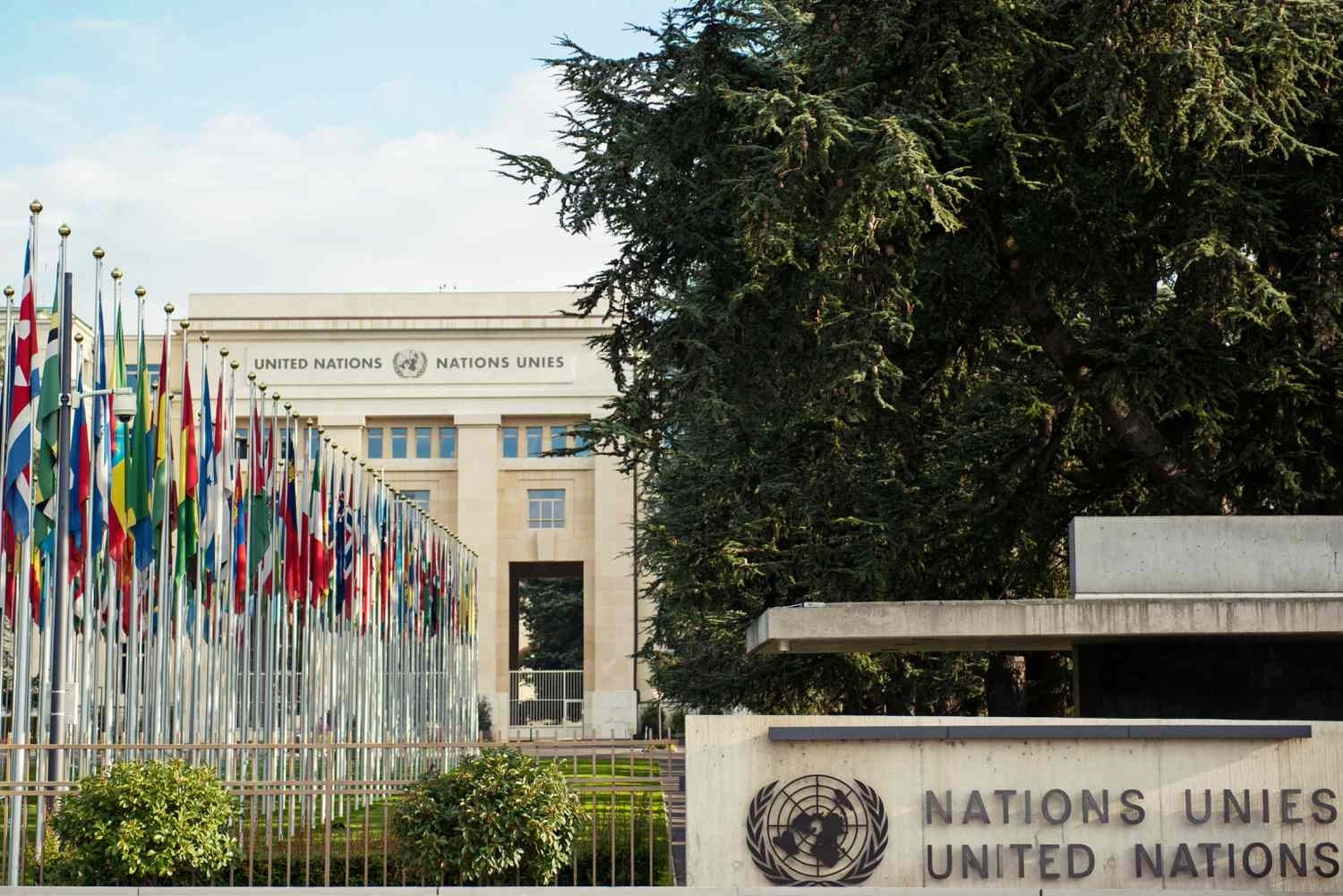
The UN Security Council’s 1988 Sanctions Committee has updated and reinforced sanctions against 22 senior Taliban figures, including Mohammad Hassan Akhund, Abdul Ghani Baradar, Amir Khan Muttagi, and Sirajuddin Haqqani, citing their roles in militancy, illicit financing, and regional destabilization. The revisions reaffirm asset freezes, travel bans, and arms embargoes against individuals linked to the Taliban’s leadership and operational networks.
The update signals mounting international concern over the Taliban’s continued involvement in militant activities and efforts to consolidate power while avoiding accountability. Analysts note that the sanctions aim to restrict the movement and financial resources of key Taliban figures, but enforcement remains challenging given the group’s entrenched presence in Afghanistan and regional cross-border networks.
𝗨𝗡 𝗦𝗲𝗰𝘂𝗿𝗶𝘁𝘆 𝗖𝗼𝘂𝗻𝗰𝗶𝗹 𝗨𝗽𝗱𝗮𝘁𝗲𝘀 𝗧𝗮𝗹𝗶𝗯𝗮𝗻 𝗦𝗮𝗻𝗰𝘁𝗶𝗼𝗻𝘀 𝗟𝗶𝘀𝘁
— Afghan Analyst (@AfghanAnalyst2) March 16, 2026
The UN Security Council’s Sanctions Committee updated the records of 22 out of more than 100 listed Taliban leaders on 10 March 2026. The updates include several current Taliban cabinet… pic.twitter.com/ZaQbSSUOk5
Human rights observers have criticized the Taliban regime for its oppressive governance, particularly targeting women, minorities, and civil society. While the UN sanctions seek to limit the Taliban’s international influence, many fear that Afghan civilians continue to bear the brunt of the group’s policies, including restrictions on education, media, and basic freedoms.
The move underscores the persistent tension between the international community’s attempts to contain extremist networks and the Taliban’s pursuit of power through coercion and ideological control. Despite the global restrictions, the Taliban leadership continues to present itself as a legitimate government while failing to address humanitarian and human rights crises within Afghanistan.
Religious Freedom in India Deteriorates Amid State Crackdowns
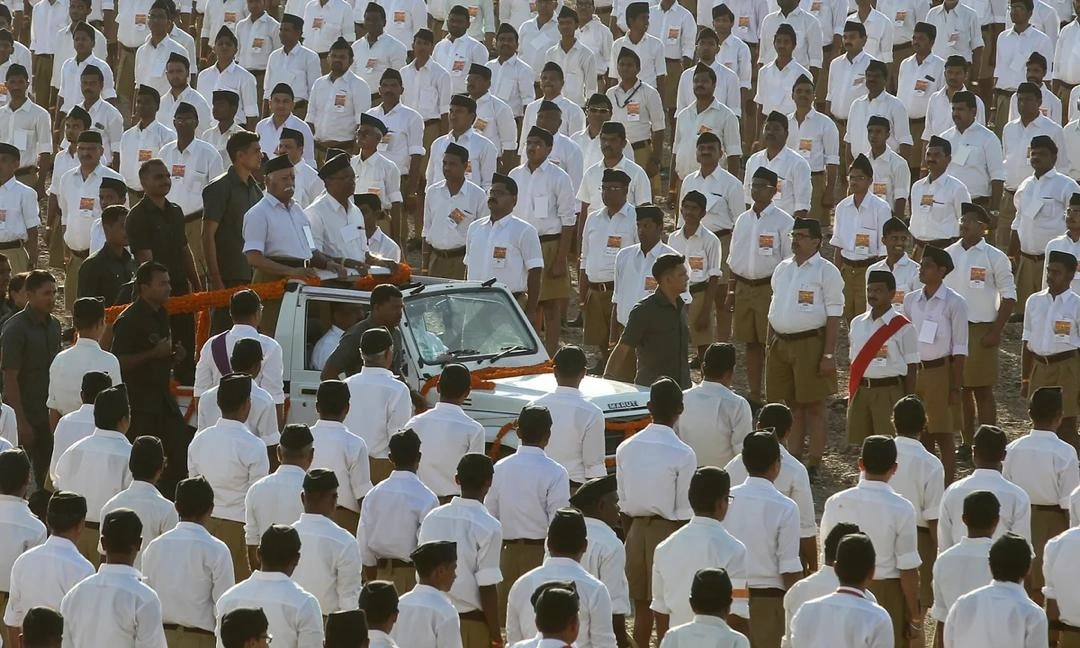
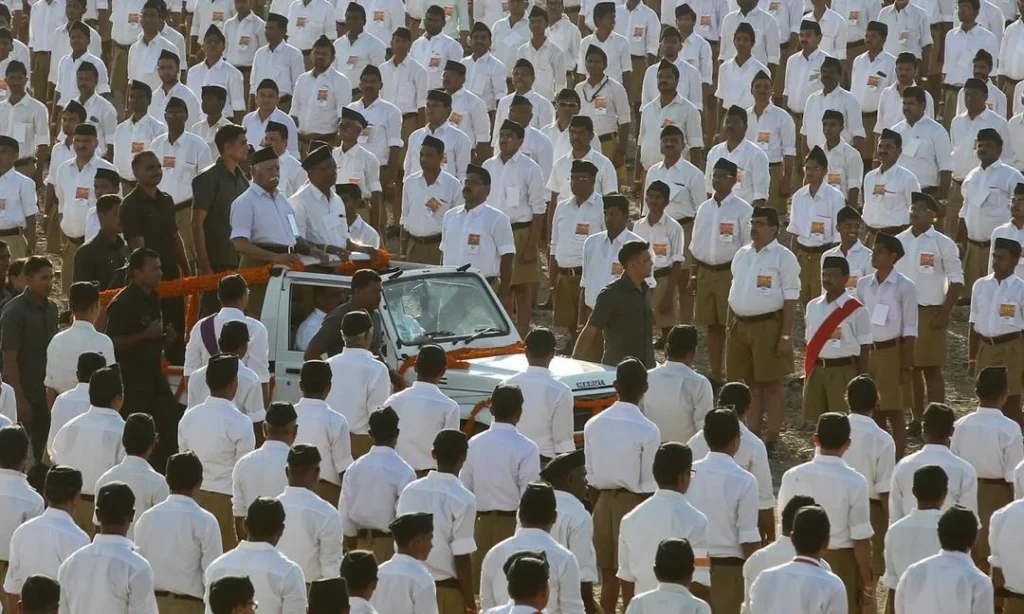
Meanwhile, reports indicate that India’s religious freedom situation worsened in 2025, with authorities introducing strict anti-conversion laws, detaining religious minorities, and tolerating vigilante attacks against Muslims and Christians. Hindu nationalist mobs reportedly attacked communities in Maharashtra, Odisha, Karnataka, and Uttar Pradesh, while the government facilitated deportations and detentions of Rohingya refugees and Bengali-speaking Muslims.
Laws including the Foreign Contribution Regulation Act (FCRA), Unlawful Activities Prevention Act (UAPA), Citizenship Amendment Act (CAA), and the 2025 Waqf Bill were used to curtail the rights of minorities, control religious endowments, and impose harsh punishments for “illegal conversions.” Courts issued partial stays, but many state-level laws continue to enable harassment and imprisonment of religious minorities.
The US Commission on International Religious Freedom (USCIRF) and human rights advocates have called on the US government to designate India as a “Country of Particular Concern” (CPC), implement targeted sanctions on responsible individuals and entities, and link future trade and security assistance to improvements in religious freedom.
These developments illustrate growing concerns about both the Taliban in Afghanistan and the Indian government’s treatment of minorities, highlighting the persistent global challenge of protecting vulnerable populations from state-sanctioned or tolerated oppression.
Read more :UN Security Council Extends Taliban Sanctions Monitoring Mandate for Another Year