ISLAMABAD: The United Nations (UN) has urged the Taliban authorities to reverse their ban on Afghan women working in UN offices, warning that the restriction puts vital “life-saving services” at risk. The appeal comes amid growing concern that hundreds of female staff members are now unable to perform essential duties, especially for women and girls in Afghanistan who rely on culturally appropriate aid.
Restrictions Affect Humanitarian Services
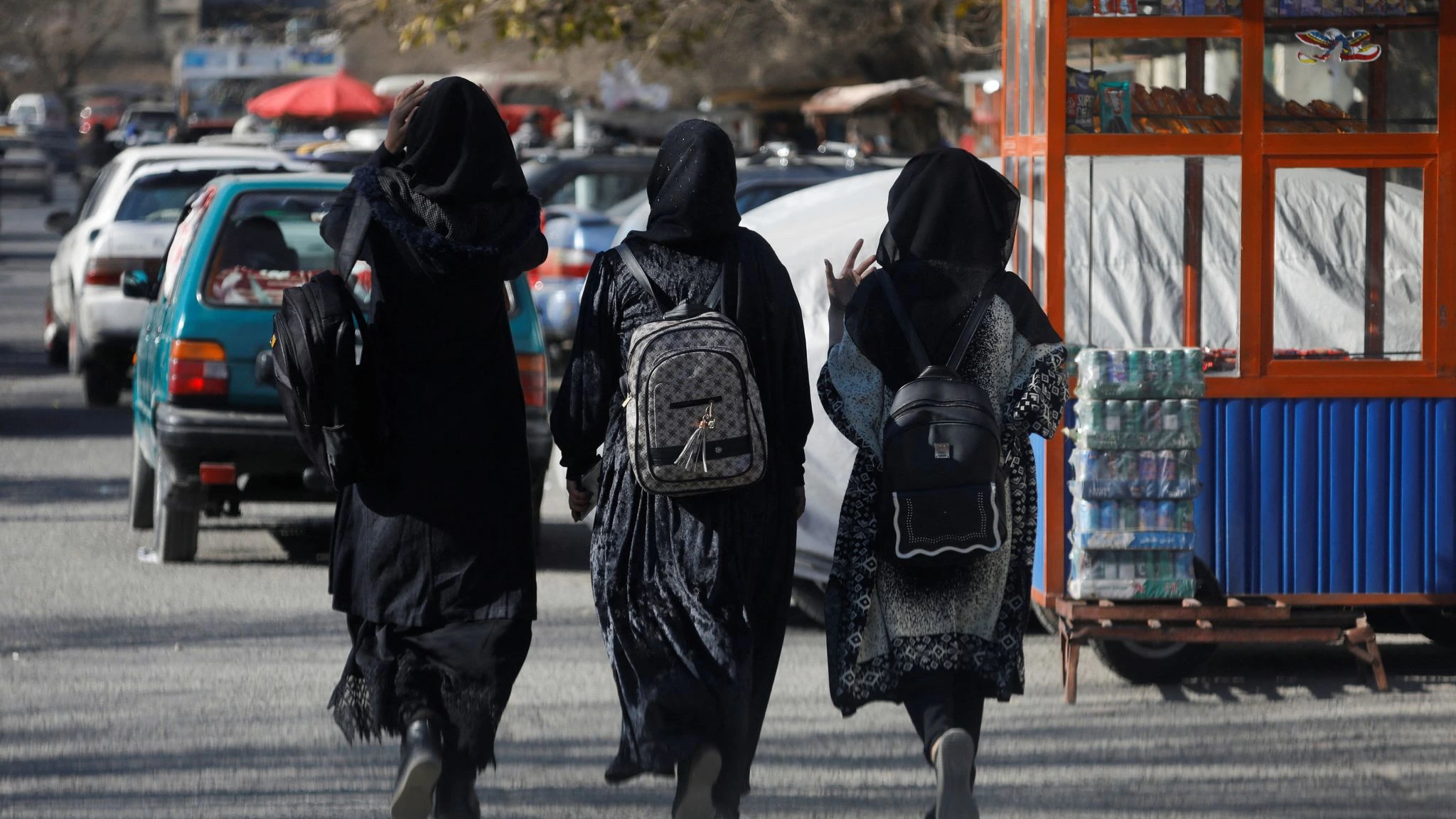
Since the Taliban regained power in 2021, Afghan women have faced sweeping limitations, including being barred from most jobs, attending school beyond the age of 12, visiting public parks, and accessing beauty salons. In September 2025, the Taliban extended these restrictions to UN offices, preventing women staff and contractors from entering workplace premises.
Susan Ferguson, the UN’s Special Representative for Women in Afghanistan, emphasized the operational and humanitarian consequences of the ban. “We call for the ban on Afghan women staff and contractors from entering United Nations premises to be reversed, and for their safe access to offices and the field,” she said. Ferguson highlighted that the longer these restrictions remain in place, the greater the risk to life-saving services that directly support vulnerable communities across Afghanistan.
Impact on Aid Delivery
While many UN operations have continued remotely over the past three months, several programs have faced significant disruptions. Female staff play a crucial role in reaching women and girls safely, delivering emergency aid, and ensuring assistance is culturally appropriate. Their absence has already impacted responses to recent natural disasters, including earthquakes, and support for Afghan migrants returning from Pakistan and Iran.
Several hundred female employees are reportedly affected by the ban. Without their on-site presence, organizations struggle to collect necessary data, conduct interviews, and deliver aid in line with Afghan cultural norms. Ferguson described their work as “indispensable,” noting that only through female staff can women and girls in Afghanistan access critical services.
Broader Implications for Women’s Rights
The UN’s call underscores the broader erosion of women’s rights in Afghanistan under the Taliban. Restrictions on employment, education, and public life have increasingly marginalized women and girls, leaving them vulnerable to social and economic exclusion. UN officials warn that barring women from workplaces not only undermines humanitarian efforts but also violates basic human rights and equality principles.
The Taliban authorities have not yet responded to the UN’s appeal. As the restrictions persist, experts caution that the humanitarian crisis in Afghanistan already exacerbated by economic collapse, climate-related disasters, and migrant returnees could deepen further, making the restoration of women’s access to workplaces an urgent priority.