
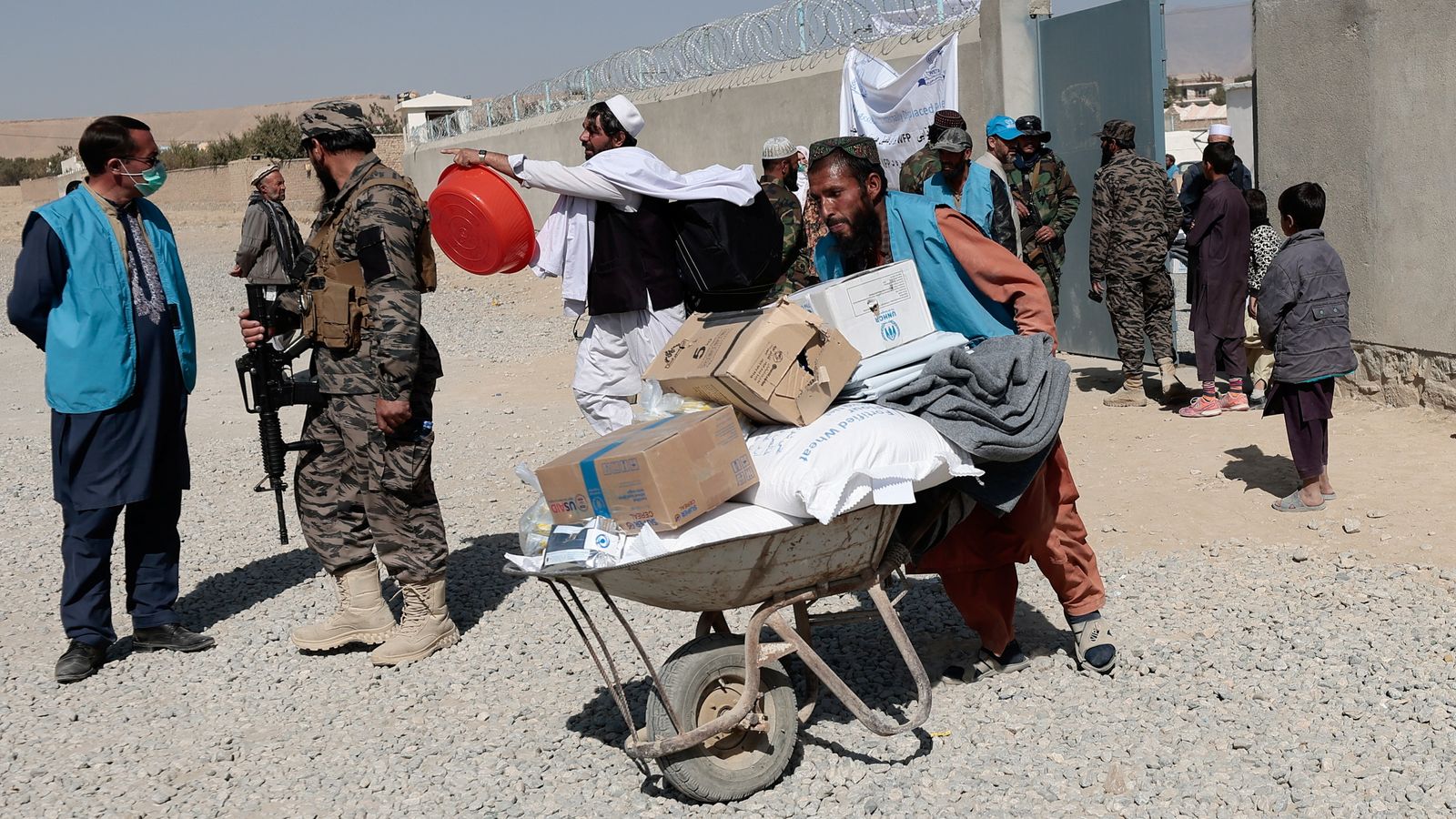
Afghanistan_ $6 billion in US funded humanitarian cash were flown into Kabul after 2021 and deposited through the Afghanistan International Bank to stabilize Afghanistan’s collapsing economy.
But fresh assessments reveal that much of this money, intended to support civilians under Taliban rule instead poured into the same cycle of waste, fraud, corruption, and abuses that defined earlier international efforts in the country.
Stabilization funds ended up strengthening Taliban system
After Afghanistan’s banking collapse, the UN backed heavily by US contributions began shipping physical US currency from New York to Kabul. These shipments deposited in the Afghanistan International Bank became the country’s main source of liquidity.
The dollars enabled the Taliban-run central bank to ease withdrawal limits and stabilize the afghani, creating the impression of economic recovery.
However, SIGAR reports show that this flow of US cash did not translate into meaningful relief for ordinary Afghans. Instead, the Taliban gained financial strength through currency conversions, taxation of aid networks, and interference in cash programs.
Humanitarian agencies operating under Taliban restrictions reported extortion and administrative pressures while the Taliban’s control of the financial system allowed them to accumulate large amounts of US dollars originally intended for Afghan civilians.
Aid meant for civilians lost to waste and corrupt networks
The pattern mirrors years of documented failures in Afghanistan. Since 2021, more than $26 billion in US reconstruction spending was lost to waste, fraud, corruption, and mismanagement.
Weak oversight and unreliable data allowed funds to disappear into power networks, armed groups, and patronage systems. Today, despite the shift to humanitarian programming the risks remain the same.
SIGAR found that direct cash assistance was frequently targeted by Taliban officials, who taxed beneficiaries and pressured aid organizations.
The inflow of cash through the Afghanistan International Bank was meant to stabilize the economy, yet it enabled Taliban authorities to reallocate their own resources toward policing, repression, and expanding control over public life, including restrictions on women.
A repetition of costly mistakes under a new authority
The pattern mirrors years of problems highlighted in earlier SIGAR reports. From 2002 to 2021, more than $26 billion in US reconstruction spending was lost to waste, fraud, corruption, and abuse
Despite strict safeguards, billions routed through the Afghanistan International Bank since 2021 have repeated a familiar outcome: money intended for stability ended up reinforcing the very authorities responsible for widespread violations and economic exploitation.