
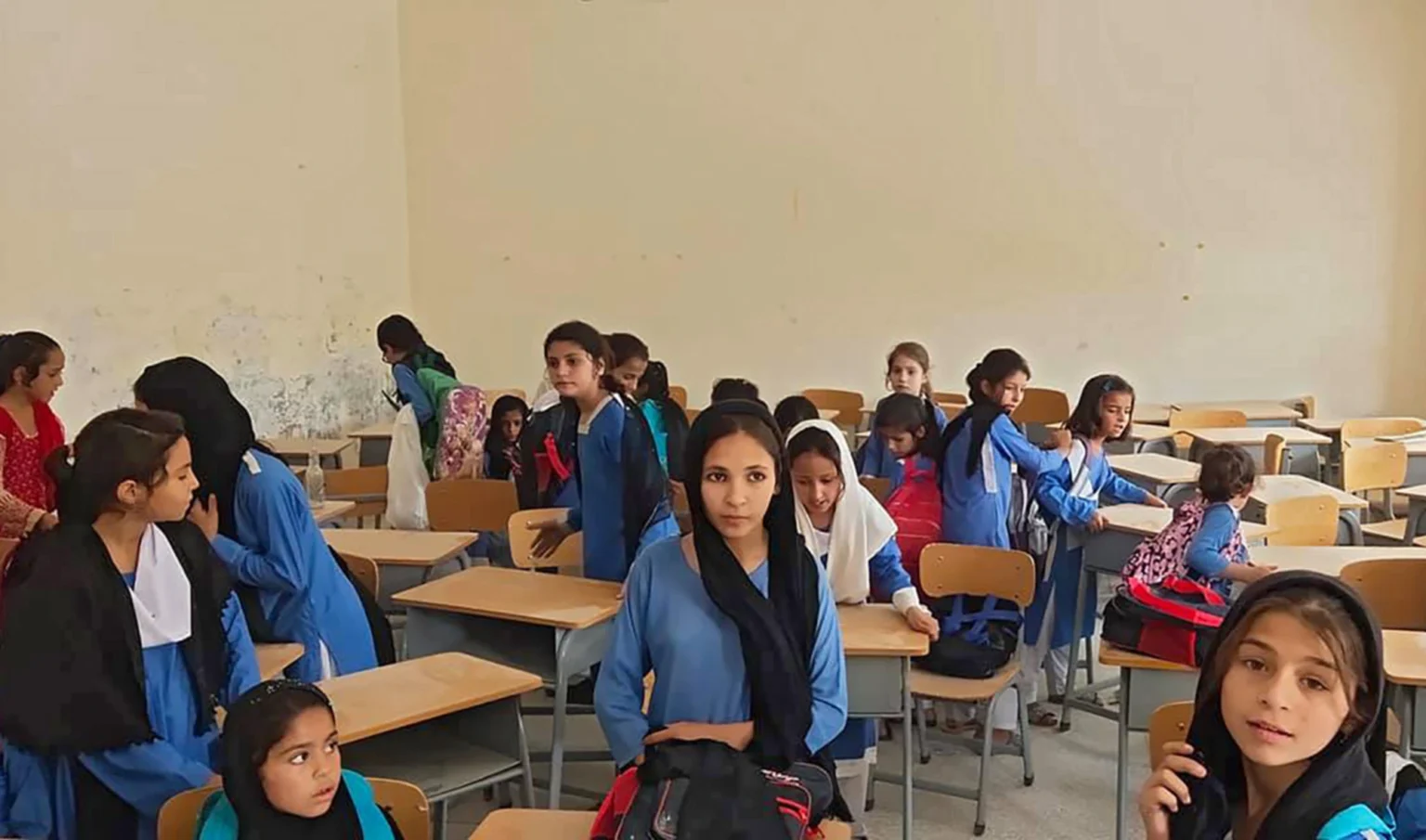
Afghan women and girls are “losing out most” under Taliban rule, the United Nations has warned in its latest UN Security Council Analytical Support and Sanctions Monitoring Team Report (S/2025/796).
The report paints a stark picture of systemic discrimination, repression and erasure of women from public life, marking Afghanistan as the country with one of the world’s deepest gender inequalities.
Women remain the primary victims of Taliban Rule
According to the UN, “the situation for women and girls in Afghanistan remains dire”, with “8 out of 10 Afghan women excluded from education, employment and training.”
Afghanistan now holds “the second widest gender gap in the world.”
The report says Taliban leadership has “systematically deprived women and girls of fundamental rights, including access to education and freedom of movement, expression and religion.”
It further notes that by rewriting textbooks, “references to civic values, human rights and women’s rights have been removed from school and university curricula,” leaving the education system geared toward ideological control rather than learning.
The economic toll is equally severe.
The UN estimates that the ban on women’s participation in the workforce costs Afghanistan over $1 billion per year, a devastating blow to a country where over 90% of people already live below the poverty line.
Repression extends beyond gender, fueling social fragmentation
The report also highlights a widening crackdown on minorities, journalists and critics.
UN monitors warn that “crackdowns continue against followers of non-Deobandi forms of Islam,” including Salafis and Shia groups, while religious leaders who challenge Taliban policy face arrest or disappearance.
Ethnic divisions are growing sharper.
The UN states there is “increased Pashtun domination at the expense of Tajik and Uzbek Taliban commanders,” deepening internal fractures within the regime.
The pattern of repression extends to former security officials, with “credible reports that the Taliban have detained, tortured, and in some cases killed journalists, former Afghan security personnel, and former regime officials,” despite repeated claims of amnesty.
A regime governing by control, not reconciliation
The UN concludes that Afghanistan is “governed, not reconciled.”
Stability imposed through force is not peace, and the systematic exclusion of women and girls combined with discrimination, shrinking civic space and ideological rule continues to push the country toward deeper social and economic fragility.
Until the Taliban reverse these entrenched policies, the UN warns that Afghanistan will remain a country where women and girls pay the highest price for a system that denies them visibility, opportunity and dignity.
Read more: Terror Networks Still Thrive Under Taliban Rule, UN Warns—Pakistan Faces the Direct Fallout











