
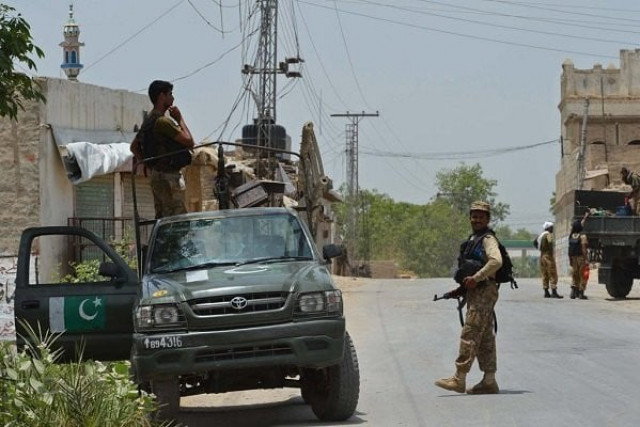
Islamabad – One of the primary suspects of the December 19 suicide attack at the Boya security forces headquarters in North Waziristan has been identified by security forces.
The attacker, Zakiullah alias Ahmad Waziristani, was an Afghan citizen of the Qataghan village, Mussahi district. This discovery has raised new alarm about the existence of cross-border terror networks that still use foreign soil to plan and execute violence against Pakistan.
The assault was allegedly executed by a faction in the Gul Bahadur network.
A condolence ceremony was organized in Kabul in honor of the bomber shortly after the incident. To most, this incident underscores the social and ideological vacuum that cross-border terror networks continue to enjoy in Afghanistan.
It implies some degree of tolerance towards extremist actors to enable such groups to regenerate, recruit, and increase their activities beyond local borders.
A Hub for Transnational Threats
Security experts argue that the involvement of a foreign national in a domestic attack reinforces the position that terrorism in the region is not an isolated phenomenon.
Rather, Afghanistan is increasingly regarded as the center of cross-border terror networks, such as ISIS-K, Al-Qaeda, and the TTP. These groups offer the training and logistical assistance needed to attack neighboring countries.
The weakness of the local authorities in strict counter-terror enforcement permits these networks to exercise a dangerous degree of freedom.
The Human Toll of Regional Instability
The central issue of this security crisis lies in the human price paid by both soldiers and civilians. Every attack organized by cross-border terror networks leaves communities in panic and families bereaved.
To ensure sustainable peace, analysts propose that a shift towards a level of denial, which is verifiable action towards such sanctuaries, needs to be implemented.











