
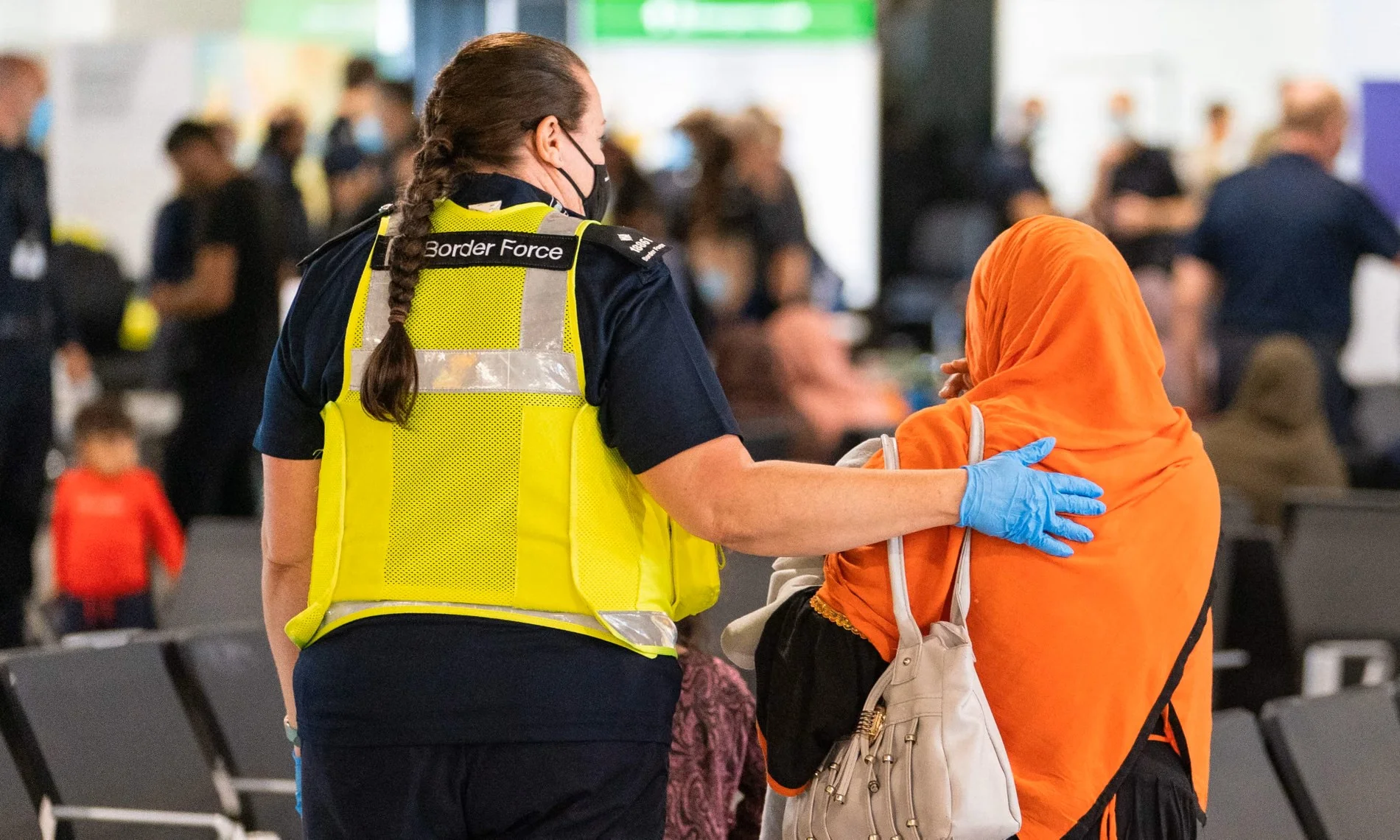
The future of Afghan refugees remains uncertain as international resettlement policies diverge, with the United Kingdom advancing structured relocation while pathways through Pakistan and Europe continue to shrink under legal, political and security pressures.
After the Taliban returned to power in 2021, the UK developed a comprehensive approach to protect Afghans who had worked with British institutions or served Afghan society.
On December 18, 2024, the British defence ministry formally launched the Afghan Resettlement Program (ARP) to merge and streamline earlier schemes.
Under this framework, more than 34,000 Afghans have already been relocated to the UK reflecting Britain’s attempt to meet its international commitments in an organized manner.
More than 50 well-known German figures have sent an open letter to the federal government, urging it to urgently transfer all Afghans who have been promised admission to Germany.
— TOLOnews English (@TOLONewsEnglish) December 24, 2025
According to German media, the letter stresses that around 1,800 Afghans who previously worked with… pic.twitter.com/itCHS42FNa
UK resettlement framework and support
The ARP brought together three key pathways.
The Afghan Relocations and Assistance Policy (ARAP) focused on Afghans who directly supported UK operations.
Existing applications remain under review, but new submissions closed on July 1, 2025. Eligible family members, including spouses and children under 18 are also considered.
The Afghan Citizens Resettlement Scheme (ACRS) prioritized vulnerable Afghans and those linked to UK efforts.
More than 12,800 people have arrived under this scheme, over half of them children. Referrals closed in July 2025, though pending cases are still being processed.
A third route, the Afghanistan Response Route launched in April 2024, addressed specific cases from early 2022.
While invited individuals continue to relocate after strict security checks, no new invitations are being issued.
Resettled families receive up to nine months of temporary accommodation and financial support worth £24,110 per family over three years, paid through local authorities to cover housing and integration costs.
Regional pressures and Pakistan’s dilemma
In contrast, Germany has halted interest in relocating hundreds of Afghans currently stranded in Pakistan, despite earlier commitments.
Human rights groups have criticized the move warning that nearly 1,800 approved Afghans now face forced return risks.
Meanwhile, Afghans in Pakistan awaiting US resettlement face growing uncertainty after the suspension of the American refugee program.
Pakistani authorities have ordered unresolved cases to move to third countries by March 31, adding legal and economic pressure.
Pakistan says it cannot absorb long-term resettlement due to limited resources, security concerns and infrastructure strain.
Officials stress the need to balance humanitarian responsibility with national interest.
These developments underline that Afghan resettlement has become a complex global challenge, demanding coordinated international action rather than shifting burdens onto transit countries like Pakistan.
Read more: Several Afghan Migrants Die from Extreme Cold While Crossing Iran–Afghanistan Border











