
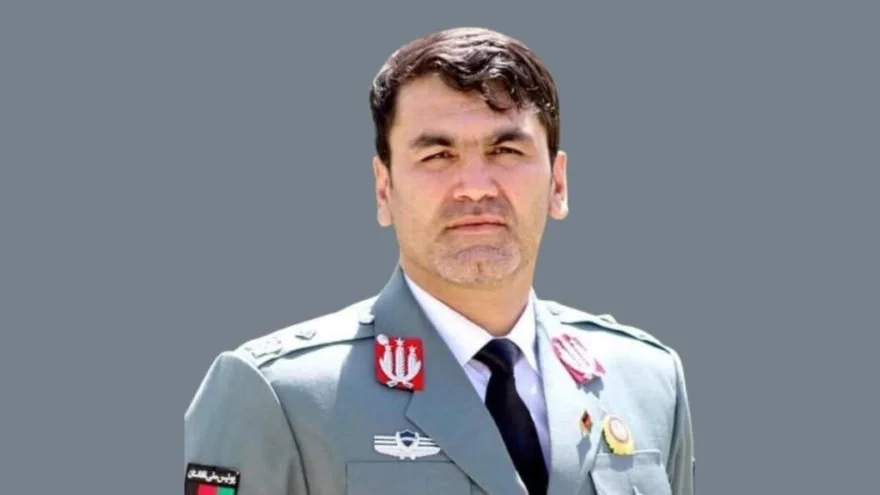
Kabul – On December 24, a tragic incident occurred in the streets of Tehran that has shaken the Afghan diaspora.
General Ikramudderin Saree, the former police commander and influential person in the campaign against the present regime, was shot by unknown gunmen.
While the attackers fled the scene, former Afghan officials and military experts point to a clear pattern of Taliban Intelligence Tactics designed to silence dissent far beyond the borders of Afghanistan.
A Coordinated Campaign of Silence
Right after the assassination, an elaborate wave of disinformation went viral. The regime tried to tarnish the image of General Saree by means of different reports, including financial conflicts or internal treachery, without presenting any effective disclosure.
The claims have been denied by former Vice President Younas Qanoni and military leader Sami Sadat, who have argued that Taliban Intelligence Tactics is being applied to systematically monitor and kill political opponents living in exile.
They claim that the smear campaign is an ancient strategy of evading responsibility.
Also See: Qanuni Alleges Taliban Intelligence Behind Tehran Assassination
Tracking the Resistance
There is some evidence to indicate that this was not a spontaneous act of violence. Haroon Mubarez, a former high-ranking military officer, observed that months before the shooting, General Saree had been severely monitored by Directorate 651.
Such a great degree of coordination denotes that Taliban Intelligence Tactics has grown its operations through assets to track and attack the major leadership of the National Resistance Front (NRF).
By framing the death as internal retribution or blaming foreign agencies, the regime hopes to mask its direct involvement in these lethal missions.











