
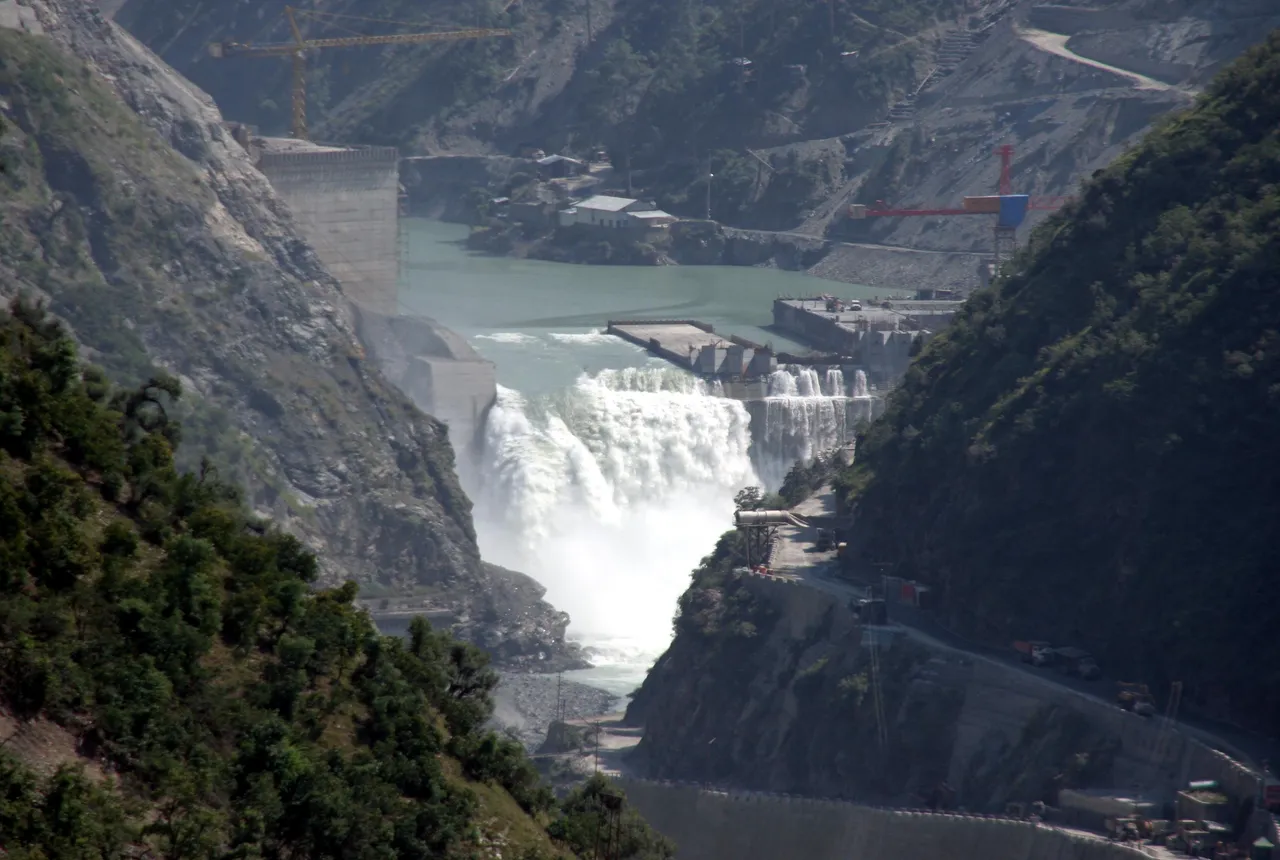
Islamabad – A succession of recent international evaluations has introduced a new angle on the long-held water tensions in South Asia.
The United Nations human rights organizations, together with neutral scholars, have recently confirmed that the Indus Waters treaty is a binding international responsibility that cannot be unilaterally suspended or placed in abeyance.
This confirmation is timely, given that legal experts and international bodies are stressing that water sharing is not merely a political issue, but an essential human rights issue, which impacts the lives of millions.
The Human Side of Water Sharing
The essence of the recent UN communication is the tens of millions of regular people whose lives rely on the course of the western rivers.
Analysts caution that any interruption to the Indus Waters Treaty will be an illegal threat to the lives and income of families in the region.
These rivers irrigate 18 million hectares of agricultural land and support almost one-fourth of the Pakistani economy.
The international community is sending a strong message by putting the treaty into the context of human rights: water should never be a tool of political or economic coercion.
Legal Validation from Neutral Bodies
Since the Vienna Convention on the Law of Treaties to the Permanent Court of Arbitration, there are always neutral authorities that assist in a rules-based interpretation of the 1960 agreement.
These independent institutions claim that the process of circumventing agreed dispute resolution mechanisms undercuts a belief in international governance.
The Indus Waters Treaty was aimed at creating stability, and neutral specialists emphasize that any changes or non-observance should be made according to the legal frameworks and mutual consent and not solely by the decisions of one party.
Also See: Pakistan, India Exchange Lists of Nuclear Facilities and Prisoners
A Matter of International Responsibility
The world is watching, but the emphasis is on the good-faith performance of international agreements.
Their public release has taken the debate to an international level and has illustrated how much is directly linked to environmental protection and sustainable development concerning treaty compliance.
The future survival of the Indus Waters Treaty is regarded by many as a key to the peace of the region.
To the 240 million individuals who depend on these waters to meet their day-to-day needs, the uniformity of international law offers a lifeline against the dangers of using water as a weapon.











