
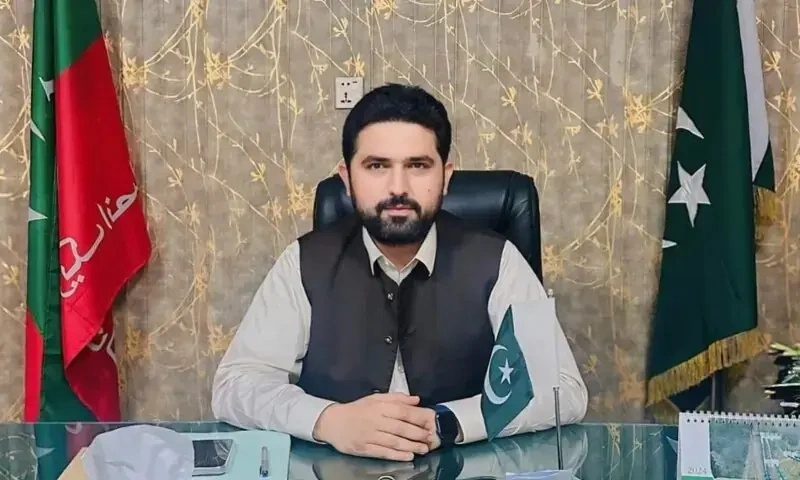
Peshawar, Pakistan – The recent speech by Chief Minister (CM) of Khyber Pakhtunkhwa (KP), dated 23 February 2026, has sparked significant discussion among political analysts and government officials. Observers say the timing and tone of the CM’s remarks were unnecessary and potentially counterproductive, coming at a moment when both provincial and federal governments were making coordinated efforts to maintain peace and security in KP and Balochistan amid persistent terrorism threats.
Improved Relations Prior to CM’s Speech
According to insiders, prior to the CM’s speech, relations between the KP government and the federal authorities had shown notable improvement. Collaborative efforts, including Apex Committee meetings attended by the CM with the Corps Commander, were widely praised for fostering a constructive atmosphere focused on the welfare of citizens. Joint initiatives with the National Security Advisor and the Federal Interior Minister had led to significant decisions benefiting the province, which were positively highlighted by both social and mainstream media.
Compliance with Supreme Court Directives
In line with the Supreme Court’s directives, the KP government also facilitated medical examinations for former Prime Minister Imran Khan, allowing phone contact with his sons and ensuring the presence of expert doctors at Adiala Jail, with subsequent hospital transfer and appropriate medical care. Officials note that the government’s compliance demonstrated transparency and responsibility in providing necessary services.
Political Motivation Behind the Speech
Despite these efforts, analysts argue that the CM’s recent address appears politically motivated. Many point to internal party pressures, including outspoken figures within PTI, factional divisions, and the personal political ambitions of Aleema Khan, as factors that may have influenced the speech. The statement is seen as a move to regain political capital rather than advance governance priorities.
Prioritizing Governance Over Rhetoric
Experts stress that Pakistan is at a critical juncture, facing terrorism, economic challenges, and inflation. At a time when public attention should be on job creation, poverty alleviation, strengthening police and CTD capacities, and improving healthcare and education systems, the CM’s focus on political rhetoric risks diverting energy and resources away from these urgent issues.
Responsibilities of a Chief Minister
Government representatives note that the CM’s statements conflict with the responsibilities of his constitutional office. A chief executive’s role is to work collaboratively with state institutions, provide public relief, maintain law and order, and resolve issues with the federal government—not to engage in political confrontation for social media visibility. Analysts emphasize that such confrontations neither build schools, improve hospitals, nor create employment opportunities for youth.
Conclusion: Need for Unity and Effective Governance
Observers underline that KP requires political unity, seriousness, and effective governance at this time. Citizens need a Chief Minister committed to tangible performance rather than social media posturing. The priority must remain on delivering public services and ensuring stability rather than indulging in political theatrics that could deepen divisions and undermine provincial progress.











