
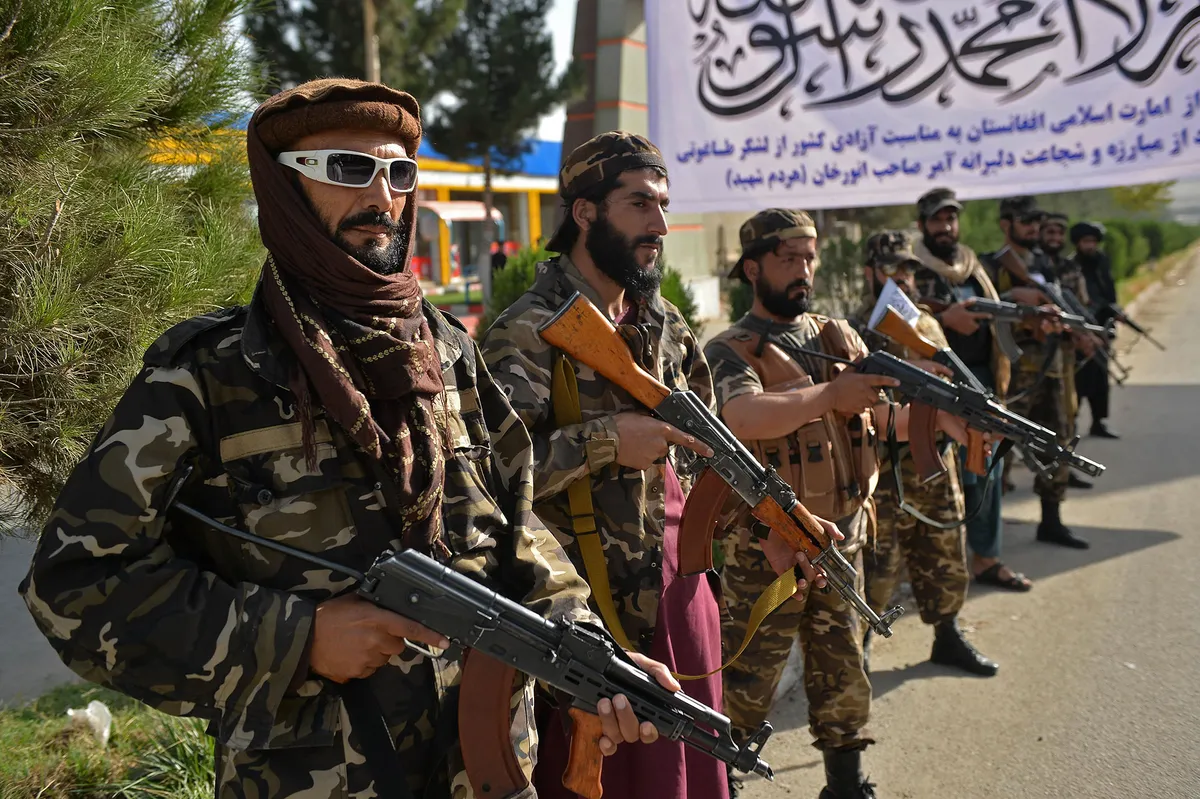
A major investigation by Afghanistan International has revealed what it describes as a systematic pattern of extrajudicial killings carried out by Taliban members on official orders.
The outlet says it obtained a collection of internal documents, official reports, and multiple videos of confessions from sources inside Taliban institutions in Herat, Samangan, and Baghlan.
An investigation points to a system, not isolated crimes
The material shows that these killings were not rogue acts. According to the documents, orders were issued by Taliban intelligence and security officials, the perpetrators used state-issued weapons, and the crimes were committed during official duty.
In many cases, victims were killed without proper investigation often on the basis of rumors or accusations of “espionage.”
Afghanistan International has obtained a collection of official documents and internal reports from Taliban authorities that reveal the direct involvement of members of the group in extrajudicial killings in several Afghan provinces.https://t.co/bd0nGGv90j pic.twitter.com/gpGnM6AX9h
— Afghanistan International English (@AFIntl_En) January 12, 2026
Herat: a money changer killed in front of his family
One of the most detailed cases involves Ahmad Shah Noori, a money changer in Herat. On December 3, 2025, he was stopped on the Herat–Gulran road, forced out of his car, and shot dead in front of his family.
Afghanistan International reports that the order came from Gul Agha, the head of a Taliban intelligence unit in Badghis. Two Taliban members, Aziz Nusrat and Najmuddin, carried out the attack using government-issued weapons.
Videos obtained by the outlet show confessions in which the planner and one of the shooters admit their roles, describe the preparations, and confirm the use of official weapons while on duty.
Samangan: ballistics tie a murder to Taliban weapons
In Samangan, the victim was Mohammad Akbar Niazi, a tribal elder abducted in May 2025 and later found dead with multiple bullet wounds and signs of torture.
Afghanistan International says it obtained an official letter from the Taliban Interior Ministry’s crime department confirming that the murder weapon was a Taliban-issued Makarov pistol. Ballistic tests showed the bullets and casings matched the same weapon.
At least three Taliban members were detained, including two intelligence officers. Yet, as in other cases, the investigation was not made transparent to the public, reinforcing concerns that accountability is being avoided even when evidence exists.
Baghlan: confessions, then pardon and release
In Baghlan, two members of a family, Hikmatullah and Gul Mohammad, were killed in August. Afghanistan International reviewed graphic images and videos in which Taliban members confessed. One commander, Hamdullah, said he acted with the permission of Taliban figures and a “commission.”
Another, Hanzala, said he killed one of the victims to “earn religious merit” after being told the man was a spy. Despite these admissions, the outlet reports that the Taliban later secured the killers’ release by pressuring the victims’ families into signing pardon letters and accepting blood money replacing judicial process with a jirga-style settlement.
A climate of impunity and silenced justice
Across these cases, the pattern is consistent: orders from within the security structure, use of official weapons, confessions on record, and then concealment or quiet release.
Afghanistan International concludes that this reflects the institutionalization of impunity in Taliban-run Afghanistan. The United Nations has repeatedly said the Taliban have violated their own “general amnesty,” with reports of retaliatory killings, arbitrary detention, torture, and enforced disappearances.
Victims have included former security personnel, ethnic and religious minorities, local leaders, journalists, and civil society figures. With no independent judiciary and severe restrictions on the media, many families do not even dare to report cases.
Beyond borders: a worrying regional signal
The investigation focuses on killings inside Afghanistan, but the implications may not stop there.
In recent months, the killing of Ikram Sarri in Tehran has been reported by some outlets and observers as possibly linked to Taliban networks.
Analysts say there is evidence available that can be verified that anti-Taliban figures inside and abroad, like Ikram Sarri, were killed by the Taliban regime. If Tehran confirms these reports, they would suggest that the pattern of targeted violence described by Afghanistan International could be extending beyond Afghanistan’s borders.
That would turn what is already a grave domestic human rights crisis into a wider regional security concern and further underline the urgent need for credible, independent international scrutiny.











