
Kabul — The Islamic State Khorasan province (ISKP) has claimed responsibility for a deadly suicide bombing targeting a Chinese-run restaurant in Kabul, marking one of the most serious security breaches in the Afghan capital in recent months and raising renewed questions about the Taliban’s ability to ensure safety for foreign nationals.
The attack occurred in Kabul’s upscale Shahr-e-Naw district, where a restaurant known for serving Chinese cuisine was struck by a powerful explosion. According to Taliban officials, the blast killed at least seven people, including one Chinese national and six Afghan citizens, while several others were injured.
Initial Taliban Response and Conflicting Narratives
In the immediate aftermath of the explosion, Taliban authorities said the cause of the blast was under investigation. Kabul police spokesperson Khalid Zadran stated that the incident took place near the restaurant’s kitchen area and emphasized that the establishment was jointly operated by a Chinese Muslim, his wife, and an Afghan partner, adding that it catered primarily to Chinese Muslim customers.
The Taliban’s early emphasis on the religious identity of the Chinese partner drew criticism and speculation, as officials appeared hesitant to immediately acknowledge a militant attack despite mounting evidence suggesting otherwise.
Islamic State Claims Responsibility
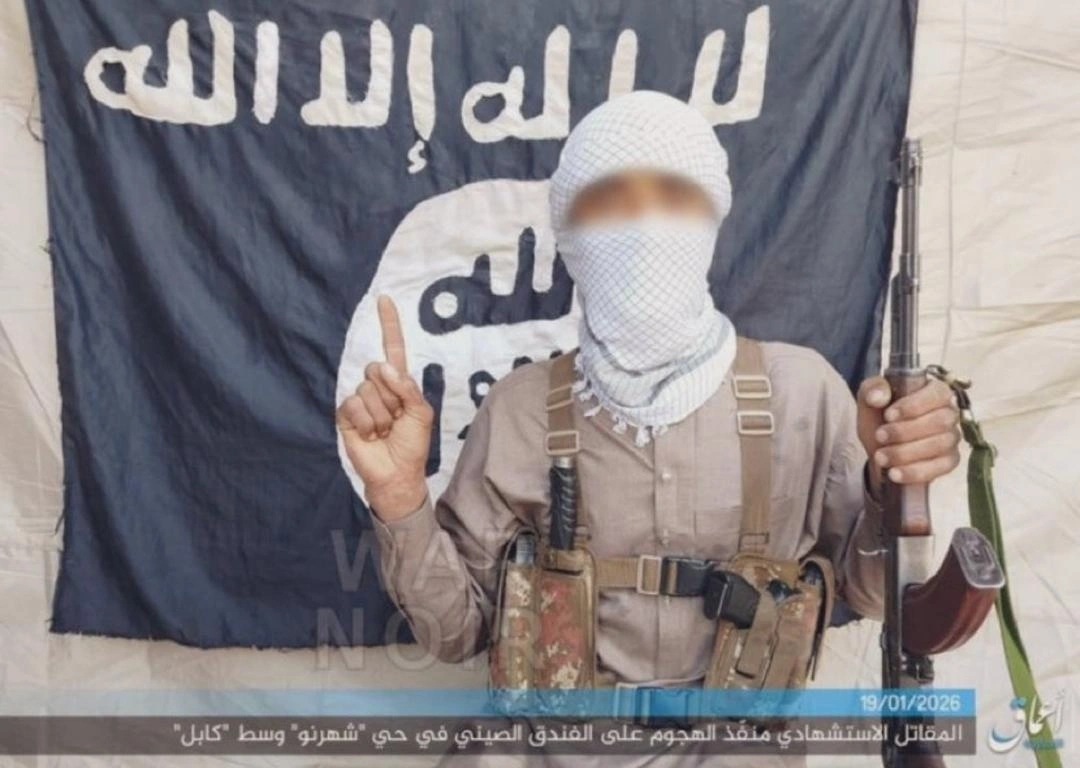
Shortly after the incident, the Islamic State’s media outlet Amaq News Agency released a statement formally claiming responsibility for the attack. The group identified the suicide bomber as Usman al-Muwahid and published an image of the attacker.
According to ISKP’s account, the bomber entered the restaurant and waited for approximately 30 minutes for additional Chinese nationals to arrive before detonating his explosive vest, indicating a deliberate and targeted operation.
The statement did not disclose the attacker’s tribal background or exact origin, but reaffirmed ISKP’s intent to continue attacks against foreign interests in Afghanistan.
Casualties and Ongoing Investigation
Taliban interior ministry officials confirmed the death toll and said security forces had cordoned off the area following the blast. An investigation remains ongoing, though authorities have not released detailed findings or acknowledged lapses in intelligence or security preparedness.
International media, including the BBC, reported that the attack underscores persistent threats posed by ISKP, despite repeated Taliban claims that the group has been “eliminated” or “neutralized.”
Growing Security Concerns Under Taliban Rule
The attack highlights continuing insecurity in Kabul, particularly for foreign nationals and diplomatic or business interests. Despite Taliban assurances of stability since their return to power, ISKP has carried out multiple high-profile attacks in the capital, targeting minorities, foreign missions, and public venues.
Security analysts warn that such incidents expose serious gaps in Taliban counterterrorism capabilities, especially as militant groups continue to operate with apparent freedom across the country.
Broader Implications
The bombing is likely to further strain Afghanistan’s already fragile relations with China, one of the few countries maintaining engagement with the Taliban-led administration. It also reinforces international concerns that Afghanistan remains a permissive environment for extremist organizations, undermining Taliban efforts to gain diplomatic recognition and foreign investment.
Despite repeated pledges to prevent Afghan soil from being used by terrorist groups, attacks such as this suggest that militant networks remain resilient and operational under Taliban rule.
Read more :India Signs $3 Billion LNG Deal with UAE, Deepens Trade and Defence Ties











