
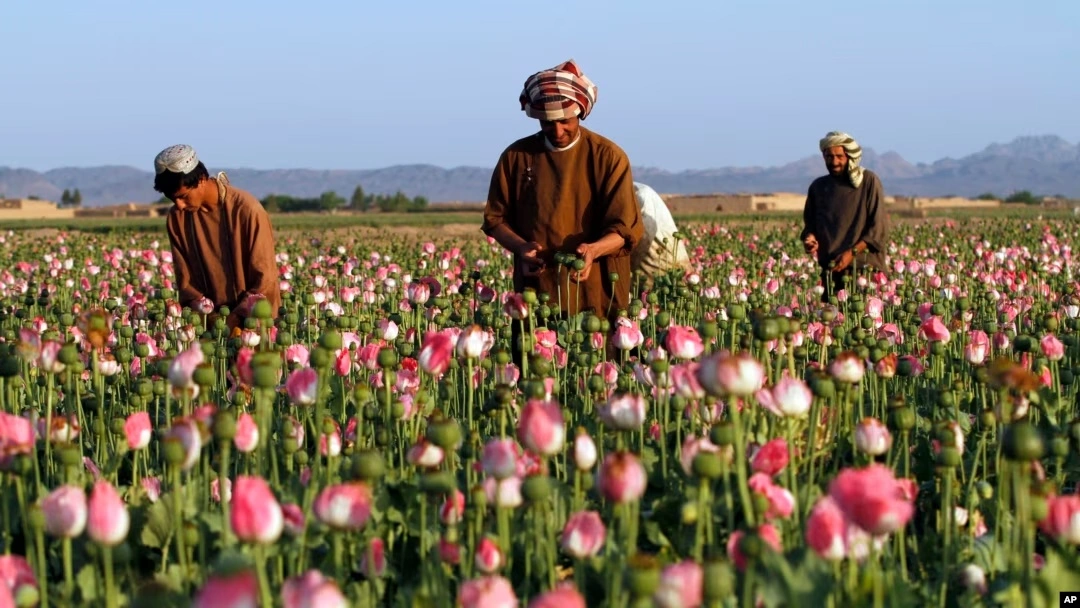
Afghanistan’s drug market is no longer just a local issue. The rise of opiates and synthetic narcotics is impacting regional stability and posing serious global security risks.
Afghanistan at the Center of Global Trade
Despite Taliban restrictions on poppy cultivation, Afghanistan remains a key source of opiates and methamphetamine. Criminal networks exploit the country’s strategic position to export drugs across Asia, Europe, and East Africa.
Cross-Border Routes and Regional Impact
Traffickers are using sophisticated transit corridors, including the Balkan Route and Central Asian pathways. Neighboring countries, particularly Pakistan and Iran, report rising seizures. Still, enforcement gaps allow the networks to continue operations. This spillover affects security, crime rates, and political stability in the region.
Synthetic Drugs on the Rise
The shift from opium to synthetic narcotics is accelerating. Methamphetamine production is easier, more compact, and harder to trace. Experts warn this increases profits for traffickers while reducing risks. International authorities note significant rises in Afghan-sourced synthetic seizures in Europe.
Global Security and Policy Implications
Analysts stress that Afghanistan’s narcotics economy cannot be ignored by the international community. It fuels organized crime, corruption, and regional instability. Coordinated multilateral action is essential to disrupt trafficking networks and address the socio-economic vulnerabilities that sustain the illicit market.
“Afghanistan’s managed narcotics economy fuels organized crime, regional instability, and international drug trafficking,” said an international security analyst. “Neighboring countries, the EU, and the UN must act together to monitor trafficking routes and support alternative livelihoods for farmers.”
Read more :Afghanistan’s Drug Market Shift Raises Global Security Concerns











